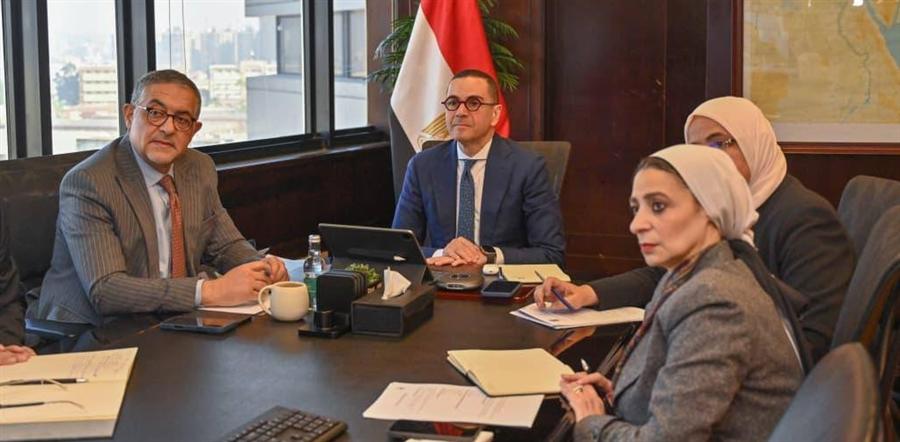
Egypt unveils energy-saving measures amid persisting power cuts
Updated 7/30/2023 3:49:00 AM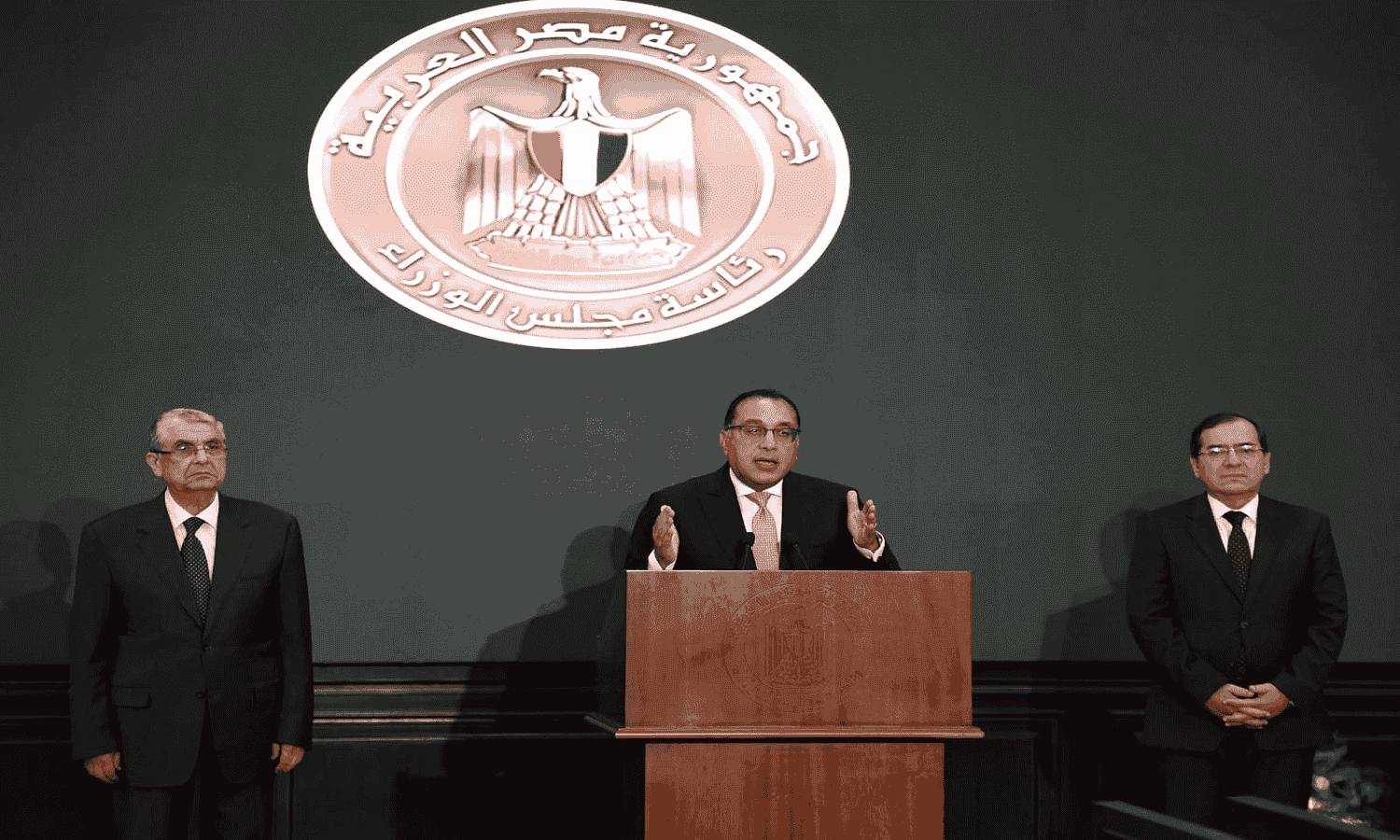
Arab Finance: Government employees are now permitted to work from their homes on Sundays, starting August 6th, to curb energy consumption amid the ongoing heatwave, Prime Minister Mostafa Madbouly announced on July 27th.
The decision, which will last until the end of the next month, is not applicable on employees who provide direct services to the public.
The move comes among a bundle of recently announced measures to ease loads on the country’s electricity network amid the ongoing heatwave.
“There is no way to overcome this crisis except for all of us to act in order to rationalize the consumption of electrical energy,” Madbouly said.
The measures also included sports matches to be played just before sunset so that electricity consumption in sports facilities, stadiums, and closed halls can be reduced.
Madbouly also revealed that a schedule including load easing timings for each neighborhood will be announced by Monday, July 31st.
“The mega projects undertaken by the state in the electricity sector have enabled us today to stand on solid ground to deal properly with this crisis,” Madbouly said.
The government would keep easing loads on electricity networks and maintaining all these measures if the crisis persisted until the first or second week of September, Madbouly said.
All organizations were also advised to set the air conditioner's temperature at 25 degrees Celsius to reduce the device's consumption of electricity.
“As a country, we look at the economy system as a whole, and therefore when we talk about power outages, we apply that to residential neighborhoods only, not hospitals or strategic facilities,” Madbouly said.
Madbouly also denied that the Egyptian government prefers to export natural gas instead of utilizing it in services provided to citizens.
Private sector’s firms were also encouraged by the premier to apply a hybrid-working system, if applicable, to rationalize electricity.
Additionally, Madbouly pointed out that the authorities were instructed to achieve more rationalization in public lighting for all public headquarters that the state assumes responsibility, such as street lighting and government buildings.
The Prime Minister added that it was agreed upon to import additional shipments of diesel worth $250 to $300 million until the end of August to boost fuel supplies to power plants.
Earlier in July, the Egyptian Electricity Holding Company (EEHC) announced that blackout would take place in the 20-minute period between 10 minutes before and 10 minutes after the top of the hour.
The EEHC also advised citizens not to use elevators during this 20-minute span.
Related News