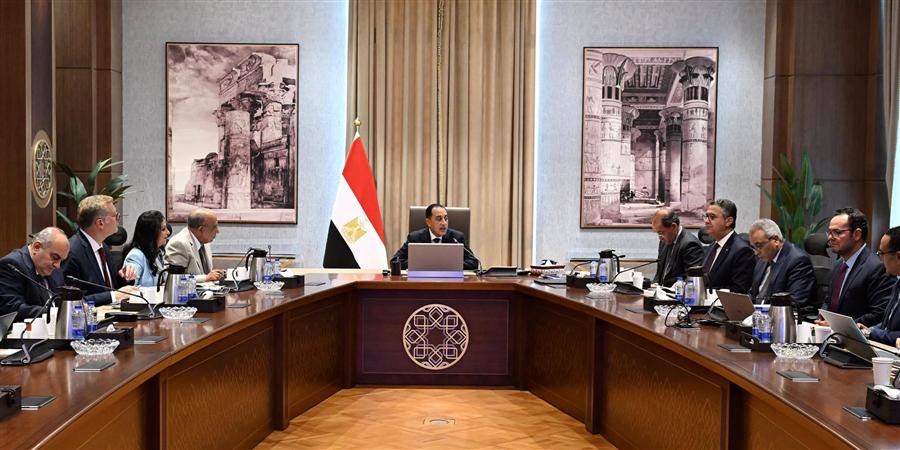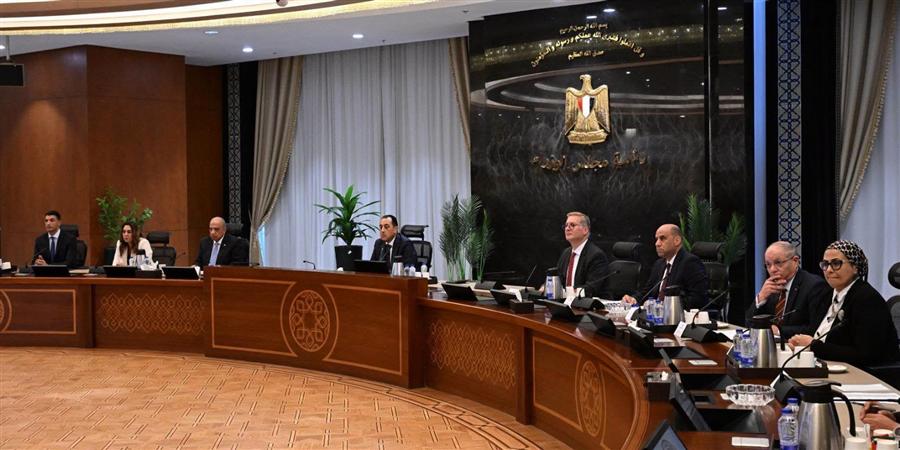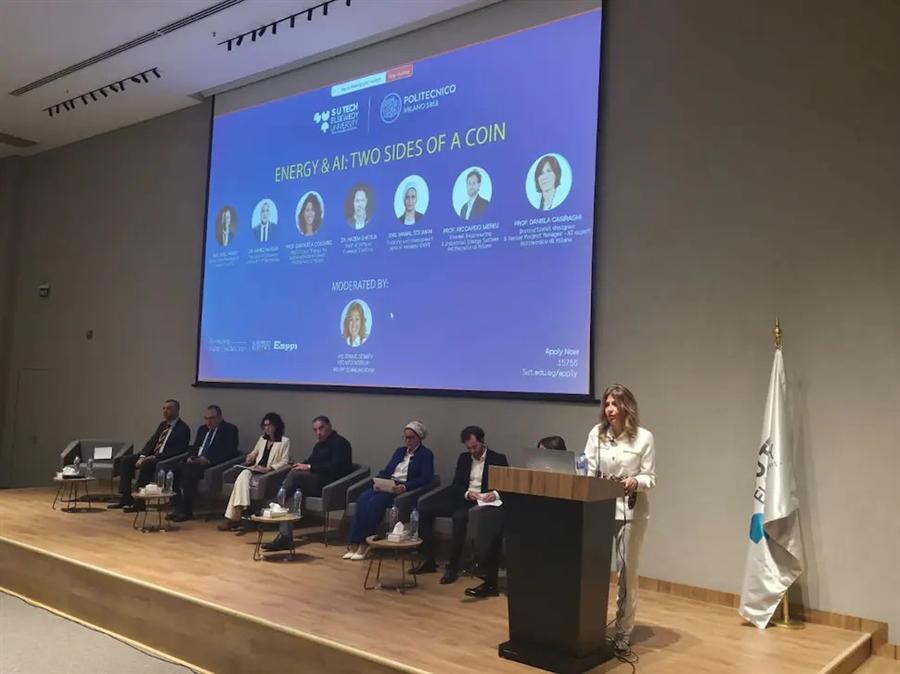
Arab Finance: Elsewedy University of Technology (SUTech) - Polytechnic of Egypt organized a panel discussion titled: “AI & Energy: Two Sides of the Same Coin?” on its campus, tackling the future of AI in the energy sector, as per an emailed press release.
This came as part of its commitment to strengthening the integration between technology and energy, and exploring the prospects of digital transformation and its growing role in developing vital sectors.
The discussion brought together leading voices and experts from the fields of energy, technology, and academia to explore the opportunities that artificial intelligence offers in improving the efficiency of the energy ecosystem.
It also discussed how to maintain a sustainable balance between innovation, rising energy demands of new technologies, and well-prepared human capital.
The panel featured several prominent speakers, including: Ahmed Hassan Yousef, President of SUTech, Emanuela Colombo, Rector's Delegate to Science Diplomacy | UNESCO Chair “Energy for Sustainable Development”, and Riccardo Mereu, PhD, Associate Professor in Thermal Engineering & Industrial Energy Systems |Co-Holder of the UNESCO Chair in “Energy for Sustainable Development”.
This is in addition to Daniela Casiraghi, Instructional Designer and Senior Project Manager at Politecnico di Milano, Wael Hamdy, VP of Elsewedy Electric, Hazem Shatila, Chief AI Officer of Elsewedy Electric, and Manal Soliman, Training and Development General Manager at ENPPI.
During the session, Yousef confirmed that artificial intelligence is no longer just an academic subject, but has become ‘the primary language of learning and the philosophy of education’ at the university. environment, and computing, and we strive for them to become digital pioneers capable of adapting to diverse work environments.”
It is worth noting that this panel discussion comes among the continuous efforts of SUTech to bolster the connection between applied education and industry in the fields of technology and energy.
It is also aimed at bridging the gap between the capabilities of new graduates and the needs of the industrial labor market.