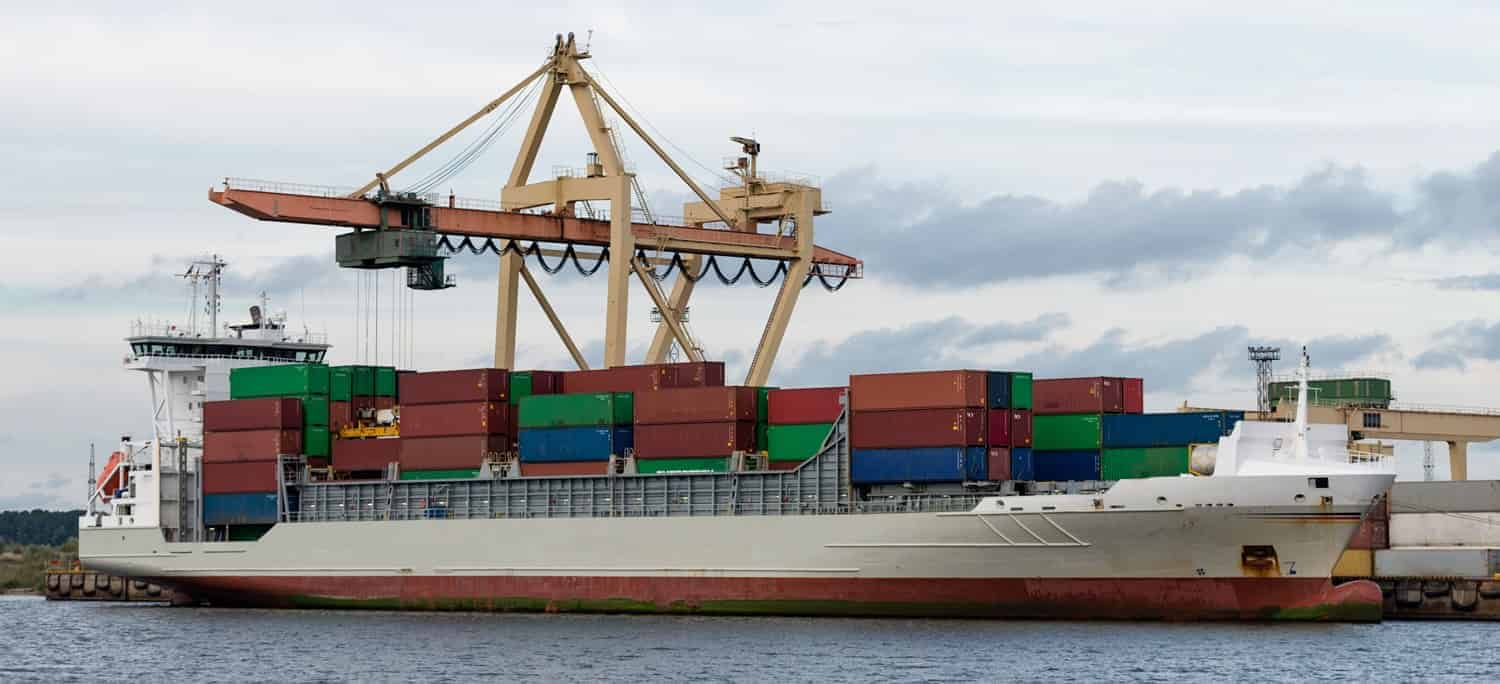
For decades, Egypt’s customs operations were constrained by paper-based processes that slowed trade flows and affected the country’s competitive position in global commerce. This reality prompted the government to undertake a comprehensive digital transformation of its customs management system—a strategic initiative designed to reshape Egypt's role in international trade and position it as a modern logistics hub in the Middle East and North Africa (MENA).
Central to this shift is the Advance Cargo Information (ACI) system, established under Customs Law No. 207 of 2020 and implemented through the Nafeza digital platform.
Customs Digital Transformation in Egypt
In 2019, Egypt began modernizing its customs system by replacing paper-based procedures with digital platforms. At the core of this transformation is NAFEZA, the national single window that streamlines import, export, and transit clearance through unified electronic submissions.
To strengthen oversight, Logistic Services Centers were established at ports, while a blockchain-based platform was introduced to handle ACI filings. This system allows customs to verify compliance before shipments leave the country of origin, according to a 2022 article published by the World Customs Organization (WCO).
The new system enables competent authorities to inquire early about supplier, verify their accreditation, and ensure compliance with state standards. This helped reduce risk rates and prevent the entry of goods of unknown origin. The system also helped importers save both time and money with reduced fines, Ahmed Amawi, Head of the Egyptian Customs Authority, told the media earlier in December.
Nafeza also succeeded in reducing the average customs release time from 15 days to just 5 days, with a target of reaching a maximum of two days in the coming period. This enhances Egypt’s competitiveness and reduces import costs, according to Amawi.
In this regard, Mostafa Gad, a DBA holder, COO, and supply chain expert, tells Arab Finance: “The ACI system has substantially strengthened transparency and early data exchange between Egyptian customs and international partners.”
“Receiving shipment information prior to loading minimizes unexpected issues upon arrival, enhances the accuracy of customs risk assessment, and aligns Egypt with global best practices adopted by EU and GCC markets. This improved predictability has reduced clearance times, lowered transaction costs, and ultimately increased confidence among global companies operating across these regions,” Gad adds.
Accordingly, the success of the ACI system in sea freight has led Egypt to extend electronic ACI filings to air cargo, with mandatory implementation set for January 1st, 2026.
ACI Air Freight for Reduced Disruptions, Higher Compliance
The pilot phase of the ACI system for air freight, launched in 2022, will continue until the end of December, according to the Ministry of Finance. This extended timeline aims to give investors sufficient time to adjust their operations.
The ACI system significantly enhances governance and transparency, improves the strategic planning of foreign currency requirements, and prevents the entry of goods of unknown origin. This helps ensure higher quality standards for products entering Egyptian markets.
“The ACI plays a central role in enhancing supply chain security by enabling pre-shipment risk analysis directly at the country of origin. This reduces opportunities for smuggling, misdeclaration, or cargo manipulation during transit,” Gad points out.
“Stronger customs security creates a more predictable and compliant operating environment, which is a key priority for multinational logistics companies,” Gad explains. “Lower regulatory risk, fewer disruptions, and higher data integrity make Egypt a more attractive base for regional operations.”
ACI as a Catalyst for a Regional Logistics Hub
Egypt aims to position itself as a regional logistics hub, with the ACI system playing a pivotal role in realizing this ambition.
In 2021, former Minister of Finance Mohamed Maait emphasized that “the implementation of the ACI system is a crucial step in plans to transform Egypt’s trade infrastructure.”
“This new technology will make it much easier for companies all over the world to trade with Egypt, helping to deliver the government’s plan to create the most advanced logistics hub in the region,” Maait stated.
Building on this vision, Gad explains how ACI delivers tangible efficiencies: “Egypt’s strategic location has always been an advantage, but its value has grown significantly with the digital transformation driven by ACI. The system accelerates pre-arrival verification, strengthens risk management, and reduces cargo dwell time across Egyptian ports—positioning Egypt as an efficient transit point between the three continents.”
Gad further highlights Egypt's competitive edge: “While the UAE and Saudi Arabia boast highly advanced infrastructure, Egypt holds a unique edge through its proximity to Mediterranean routes and direct access to European markets.”
“When combined with the efficiency gains delivered by ACI, Egypt becomes especially competitive for cargo flows targeting North Africa and Southern Europe,” he adds. This progression—from policy intent to operational impact and market differentiation—creates a cohesive narrative for C-suite readers on Egypt's logistics transformation.
Egypt’s customs digital transformation has moved beyond a technical upgrade to become a core enabler of trade competitiveness and logistics positioning.
By shifting from fragmented, paper-based procedures to an integrated, data-driven model anchored in NAFEZA and ACI, Egypt has shortened clearance times, tightened risk control, and raised the quality threshold for goods entering its markets.
Together, these changes translate into lower transaction costs, greater predictability, and stronger confidence among global supply chain partners.
By Sarah Samir