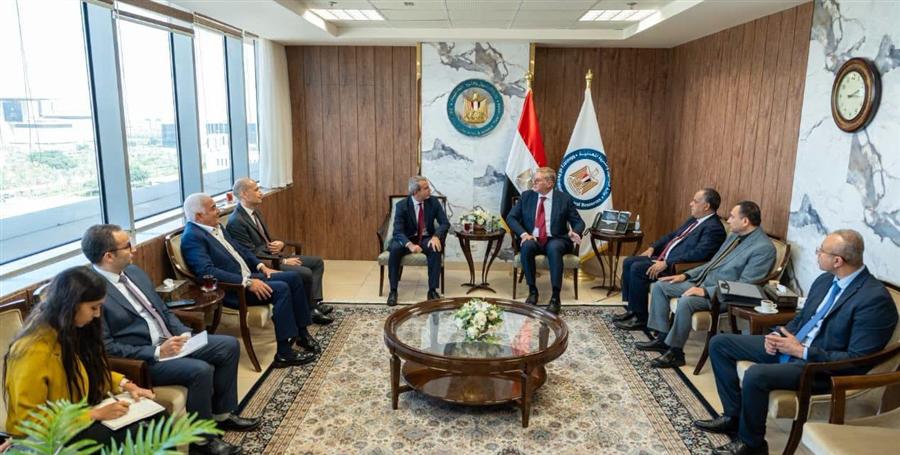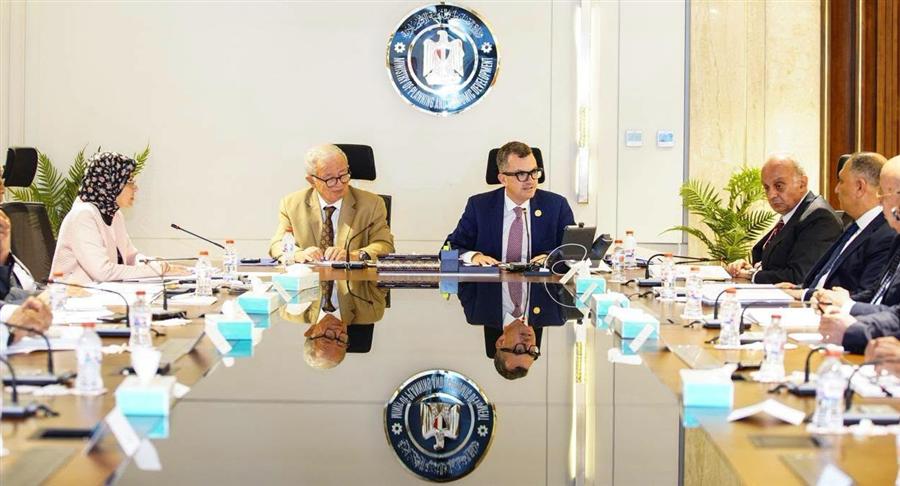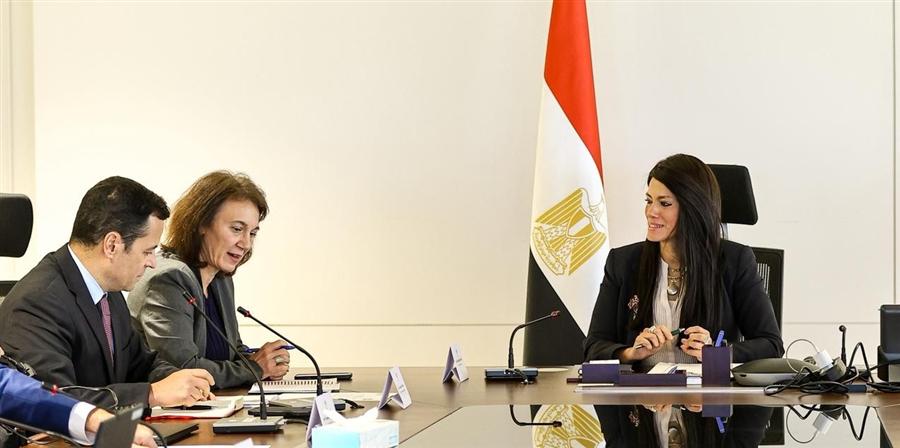
Arab Finance: Egypt outlined the latest progress of its economic reform agenda during a meeting between Minister of Planning, Economic Development, and International Cooperation Rania Al-Mashat and an International Monetary Fund (IMF) mission visiting Cairo as part of the fifth and sixth reviews of the economic reform program, as per a statement.
Al-Mashat presented developments in economic and structural reforms, along with updates on the country’s growth model under the National Narrative for Economic Development.
The discussion covered first-quarter performance, private-sector empowerment measures, and steps taken to strengthen the governance of public investment.
Al-Mashat noted that gross domestic product (GDP) growth hit 5.3% in the first quarter (Q1) of the current fiscal year (FY) 2025/2026, exceeding expectations.
She pointed to continued improvement in industrial production, particularly in vehicles, textiles, and ready-made garments, which she said reflects a shift toward productive, tradable industries.
She added that, for the first time, the ministry’s quarterly GDP bulletin includes structural reforms implemented during the period, a step meant to reinforce transparency in reporting economic indicators.
The minister said that with the current pace of reforms, Egypt expects economic growth of no less than 5% by the end of the FY.
She also reviewed the Public Investment Governance Report for the previous year, stressing that governance of public investments remains important for maintaining macroeconomic stability and improving resource allocation.
She explained that adherence to the EGP 1 trillion investment ceiling last year allowed space for more private-sector participation.
The minister also discussed progress on implementing the State Ownership Policy aimed at expanding private-sector participation.
She referred to the establishment of a State-Owned Enterprises Unit with defined powers to assess and apply suitable scenarios for managing state-owned assets.
She concluded that the government intends to continue economic and structural reforms to support growth, strengthen resilience, advance development goals, and create job opportunities.