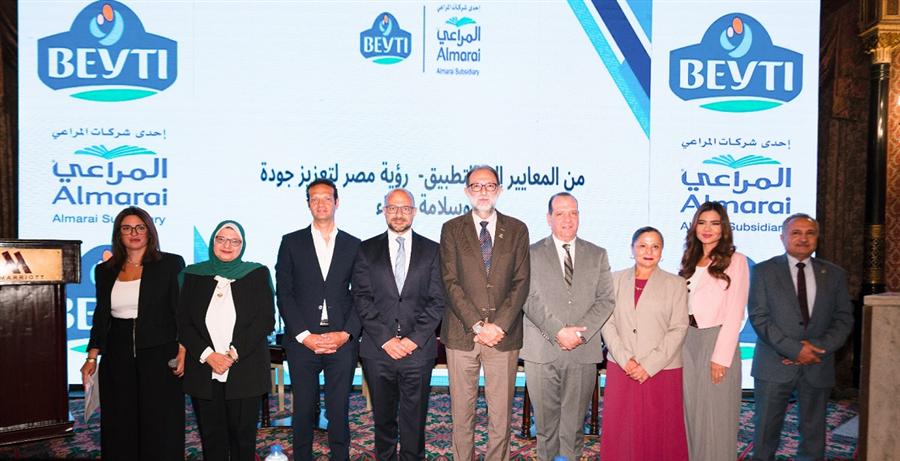
Arab Finance: Beyti, an Almarai subsidiary, has begun deploying hydrogen injection technology in 104 vehicles as part of its efforts to reduce fuel consumption and emissions, according to an emailed press release.
The technology introduces hydrogen into the vehicle's fuel system to improve engine efficiency, with Beyti targeting a reduction of up to 20% in average emissions from the vehicles participating in the project.
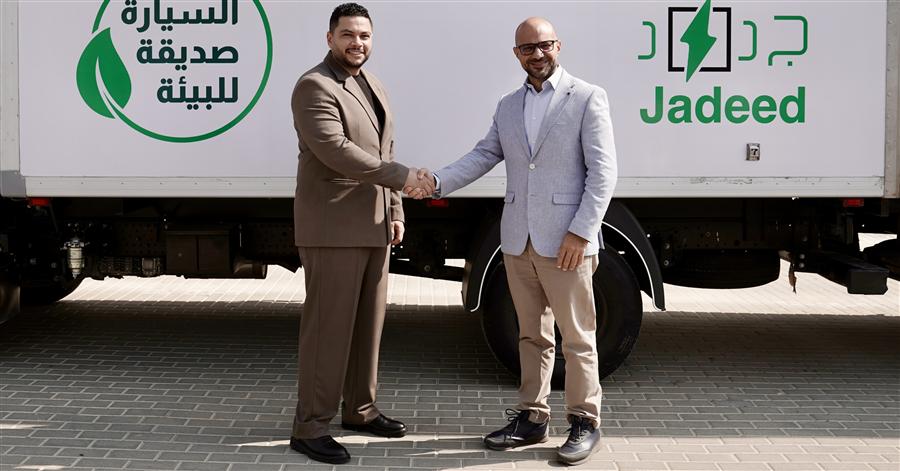
The project is being implemented in cooperation with Jadeed, a company specializing in climate technology solutions. The partnership aims to test the technology under real-world operating conditions and measure its performance across Beyti's distribution fleet.
Chris Abboud, General Manager of Beyti, commented: “Introducing hydrogen injection technology into our fleet is a step toward turning our sustainability ambitions into tangible action. Today’s launch marks the first phase of this journey, and we look forward to continuing to develop and explore further opportunities and solutions that can help us achieve a greater impact in the future.”
Ahmed Tarek, CEO of Jadeed, said: “Our goal is to introduce and test practical solutions that can help reduce fuel consumption and emissions, and to measure their results through daily use. We see this collaboration as an opportunity to evaluate the technology’s potential at a practical scale and, based on the results, explore opportunities for future development and expansion.”
Beyti’s sustainability efforts date back to 2020, when the company began partially transitioning to natural gas, reducing its carbon dioxide emissions by 30%.
In 2021, the company invested in a 7.6-megawatt (MW) solar power plant that supplies around 20% of its factory’s energy needs.
In 2025, Beyti launched Africa’s first campaign to recycle used beverage cartons, reinforcing its efforts to reduce waste and promote a circular economy.
Building on these initiatives, the company’s 2030 sustainability vision targets a 25% reduction in its carbon footprint, a 20% improvement in resource efficiency, zero waste sent to landfills, and 100% recyclable packaging.