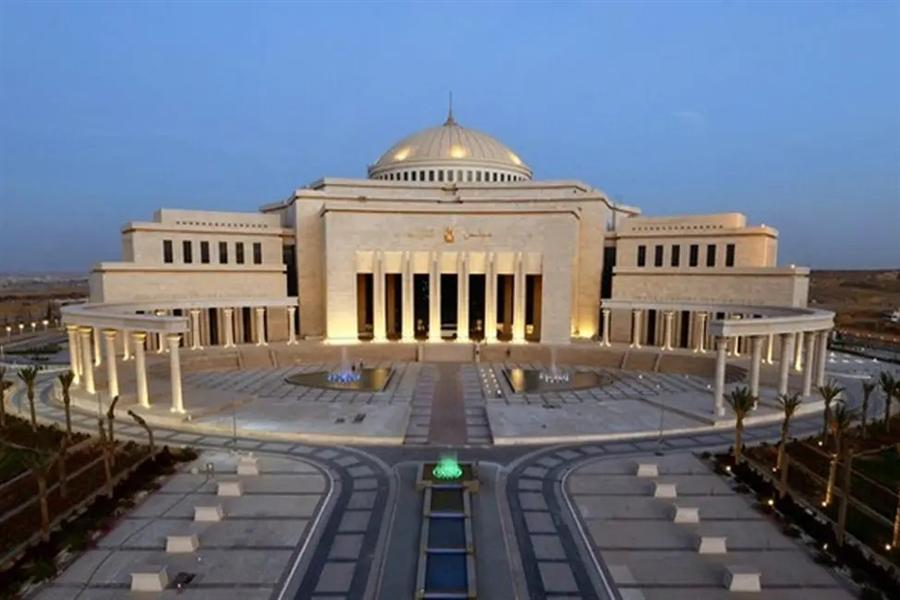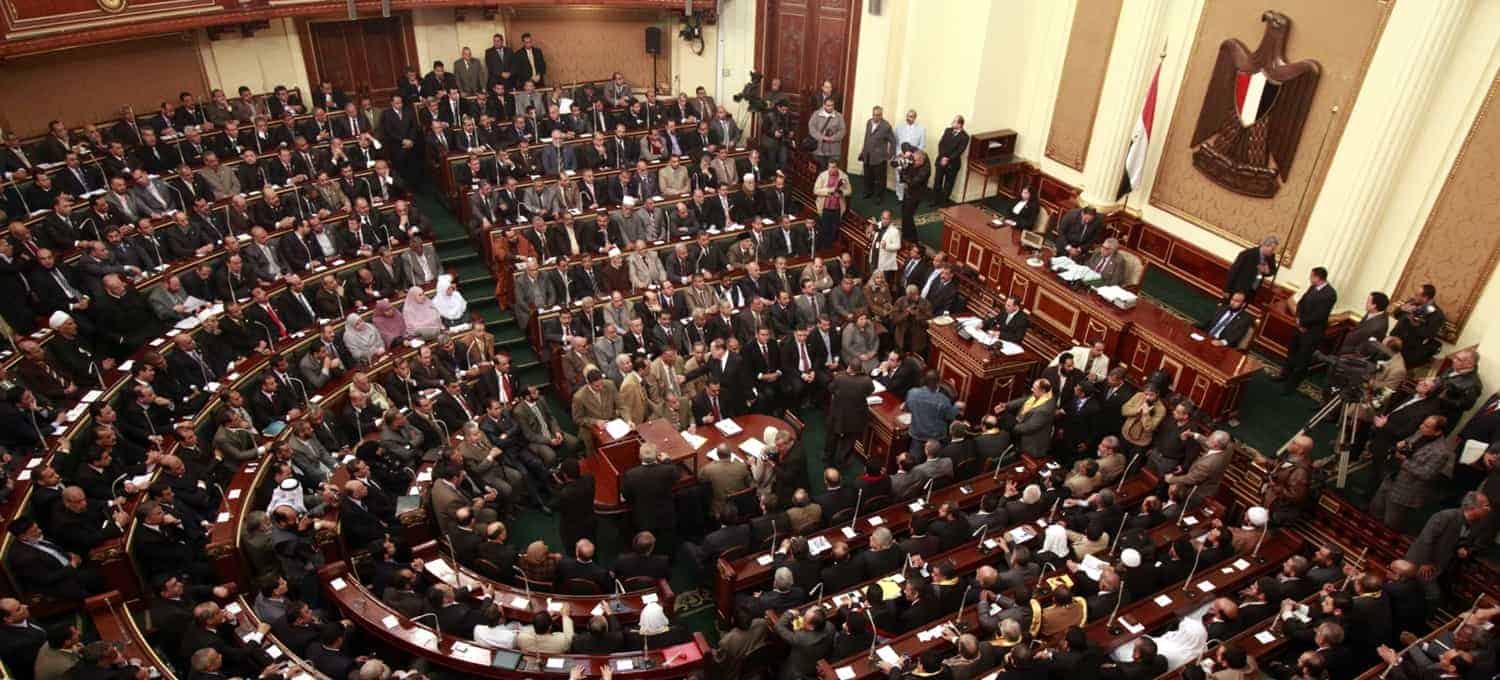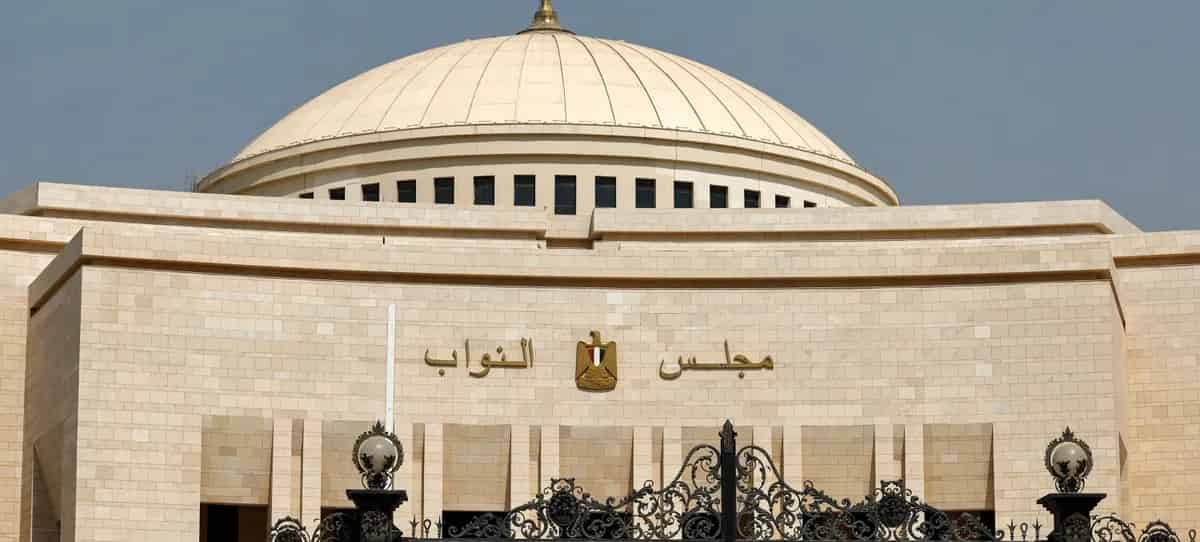
Arab Finance: Egypt's House of Representatives has granted final approval to the state budget and economic and social development plan for fiscal year (FY) 2026/2027, according to a June 22nd statement.
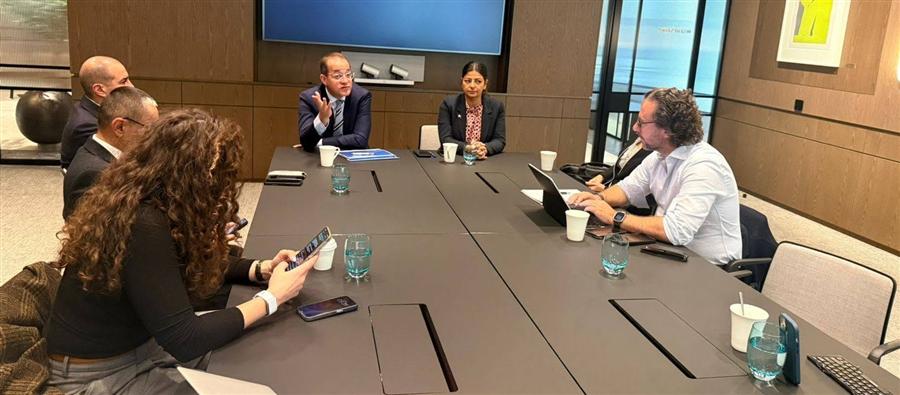
Addressing the plenary session, Minister of Finance Ahmed Kouchouk said the government's fiscal policies and spending priorities are aimed at supporting economic stability, expanding production and exports, and enhancing support for citizens.
Following parliamentary approval, Kouchouk said the government is targeting revenues of EGP 4.1 trillion in FY 2026/2027, reflecting annual growth of 32%, while expenditures are projected to reach EGP 5.2 trillion, up 13% year-on-year (YoY).
He noted that the budget was developed through extensive consultations with various stakeholders, including members of parliament, describing it as an ambitious and balanced framework that seeks to support economic growth while improving living standards.
Kouchouk added that the government remains committed to prudent fiscal management, maintaining adequate reserves to address potential risks while ensuring the continued financing of essential public services and citizens' basic needs. He said public resources are being directed toward programs and initiatives designed to improve the quality and efficiency of government services.
Human development remains a central focus of the new budget, with allocations for the health sector increasing by 30% and education spending rising by 20%, the minister pointed out.
As part of these efforts, EGP 90.5 billion has been allocated to the Egyptian Authority for Unified Procurement (UPA) to support the provision of medicines and medical supplies, representing an annual growth of 34.6%. The budget also earmarks EGP 7.8 billion for printing pre-university textbooks and EGP 7 billion for school feeding programs.
The budget further includes EGP 822.8 billion for public sector wages, with salary increases set to be reflected in July payrolls. At the same time, allocations for subsidies and social protection programs have been raised to EGP 836.8 billion, an annual increase of 13%. This includes EGP 178.3 billion for food subsidies and EGP 55.3 billion for the Takaful and Karama cash transfer programs, the child pension program, and the rural women leaders initiative.
Additional spending measures target key sectors and public services. The budget allocates EGP 120 billion to support the energy sector and settle outstanding obligations, EGP 13 billion for housing programs serving low- and middle-income citizens, and EGP 4.3 billion for the development of informal settlements.
The government has also earmarked EGP 69.1 billion to finance the purchase of locally produced wheat from farmers following the increase in the procurement price to EGP 2,500 per ardeb during the current harvest season.
On the economic front, Kouchouk said the government will continue strengthening partnerships with the private sector while implementing tax, customs, and real estate incentives aimed at simplifying procedures for investors and citizens.
To support economic activity and productive sectors, the budget allocates EGP 80 billion to programs focused on manufacturing, production, entrepreneurship, and exports. The package includes EGP 48 billion for export support, EGP 6.7 billion for tourism incentives, and EGP 6 billion in financing facilities for productive sectors.
Looking ahead, Kouchouk said the government is targeting a primary surplus of 5% of gross domestic product (GDP) in FY 2026/2027 while reducing the overall budget deficit to 4.9%.
The fiscal strategy also aims to lower the debt-to-GDP ratio to 78% by June 2027, reduce external debt by approximately $1-2 billion annually, cut the financing needs of budget entities by around 10% of GDP over the medium term, and bring debt service costs down to about 35% of total budget expenditures.