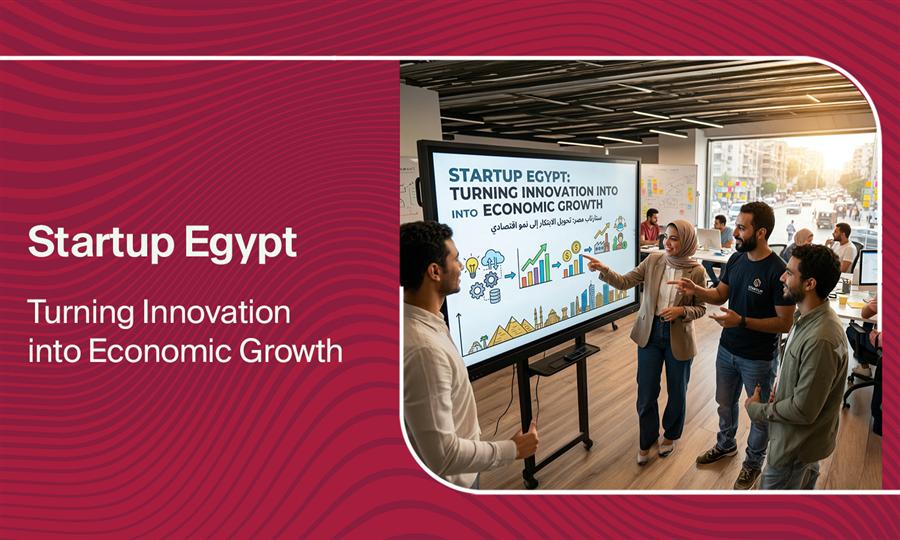
Egypt’s startup ecosystem is entering a new phase of transformation with the launch of the Startup Egypt Platform, a national initiative designed to lower entry barriers and accelerate entrepreneurial growth. By combining government support with private-sector expertise, the platform offers a unified digital interface for business registration, funding applications, and mentorship, while bringing together incubators, accelerators, and venture capital networks into a single ecosystem.
Positioned as a catalyst for innovation, the platform seeks to empower entrepreneurs through simplified regulatory processes, tailored training programs, and direct access to investors and industry leaders. As Egypt works to position itself as a competitive hub for startups in the MENA region, the platform represents a strategic step toward building a more inclusive, innovation-driven economy that connects local talent with global opportunities.
Bridging Government and Private Channels
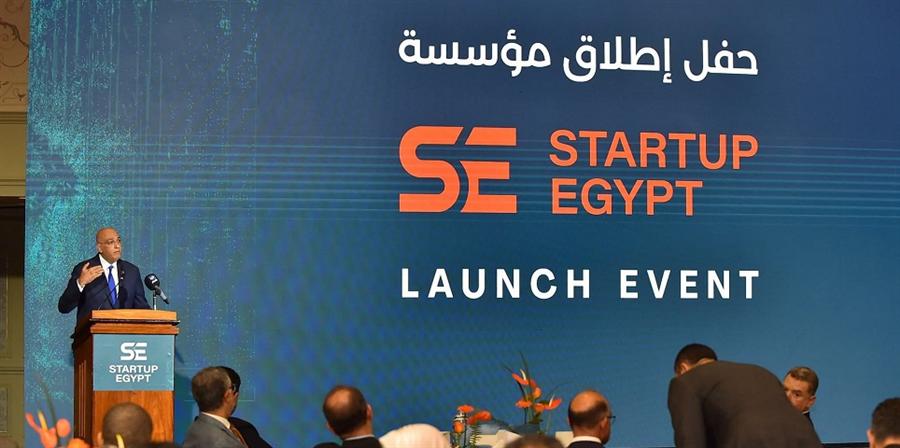
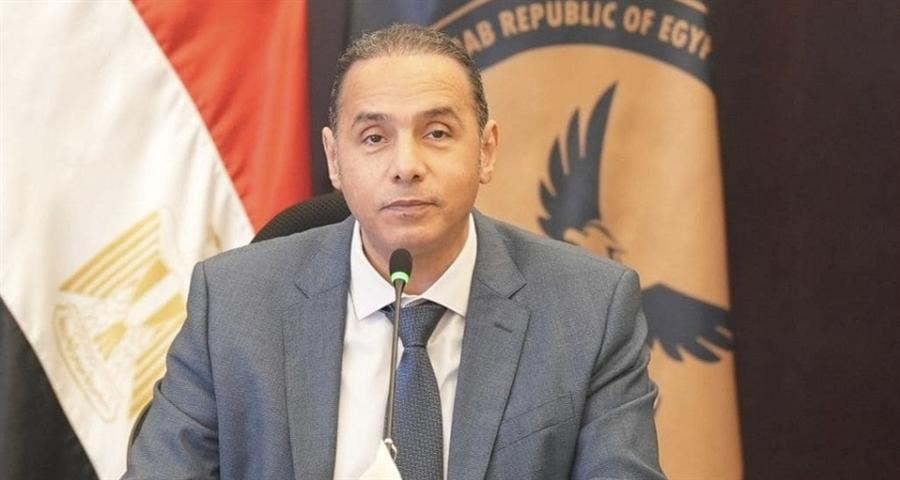
The Startup Egypt platform represents an integrated institutional framework to support startups, Minister of Investment and Foreign Trade Mohamed Farid stated during the launch ceremony, noting that entrepreneurship is a key driver of global economic growth.
In this context, Farid highlighted reforms underway to simplify business procedures, introduce modern financing mechanisms such as convertible notes, and improve valuation methodologies for startups in line with the digital economy.
Mohamed Thabet, a social entrepreneur and venture builder, describes Startup Egypt as “the most important type of institution an emerging ecosystem can build: not another fund or another program, but a neutral connecting layer.”
Thabet explained that fragmentation has long plagued Egypt’s startup scene. “Indeed, every emerging ecosystem suffers from the same ailment,” he says. “Ministries design supportive policies, companies run innovation initiatives, universities cultivate research, and venture capital firms hunt for deals. Yet each operates in its own lane, with its own language and incentives.”
Alaa Fahmy, Co-Founder and CEO of DEVONEERS Technology and an international expert at the United Nations Industrial Development Organization (UNIDO), agrees. “In 25 years working between government programs and private companies, with UNIDO, the International Labour Organization (ILO), and others, I learned the gap was never about intentions,” he says. “Both sides want to cooperate, but each works through its own channels, and the founder ends up running between them.”
According to Thabet, “the design of Startup Egypt addresses fragmentation challenges. As a non-profit organization with no funds to raise and no financial rights to defend, it can sit at the center of the ecosystem without competing with anyone in it.”
“This neutrality enables it to translate government initiatives, such as Egypt’s Startup Charter and the work of the ministerial entrepreneurship committee, into practical pathways founders can use, while channeling the real obstacles they face back to policymakers,” he points out.
“What is different here is the construction itself: an association where a government agency like MSMEDA sits at the same table as private companies running sector-specific programs,” Fahmy explains. “That is the bridge, if it works. And the measure is simple: after a year, can a founder point to a pilot, a client, or an investor they reached through this platform that they could not have reached on their own?”
Hoda Abd El Hamid Ali Mohamed, Professor of Economics at the Faculty of Commerce and Business Administration in Capital University, underscores the importance of regulatory streamlining.
“The key regulatory concerns for startups in Egypt are complexities of business registration, licensing requirements, limited access to funding, and different government regulations, she says. “These processes can be greatly streamlined through digital platforms, like Startup Egypt, which serve as a single point of access for entrepreneurs to various government bodies, investors, legal support, and business development services.”
“In addition to streamlining processes, these platforms offer enhanced transparency, lower transaction costs, and faster time to market, allowing startups to concentrate on innovation and not get bogged down in paperwork,” she adds.
Unlocking Productive Economy
Egypt’s strength extends beyond fintech; hence, Fahmy says, “Fintech will keep leading the numbers, the demand is real, and the success stories are real. But I believe Egypt's bigger opportunity lies in the productive economy, agri-food, manufacturing, and the value chains around them, because that is where we have real assets, real exports and real jobs.”
He stresses that founders in these sectors need platforms like Startup Egypt to access factories, supply chains, and corporate pilots.
Thabet highlights this point, stating that “the economic landscape goes far beyond technology. Egyptian startups are tackling structural problems in food supply chains, industrial automation, education, and logistics. Industrial technology firms that localize components reduce reliance on imports and save foreign currency. Agri-tech and food-tech companies that cut post-harvest waste attack food inflation at its source. Export-oriented software firms bring in hard currency with limited capital intensity.”
The platform is expected to contribute significantly to Egypt’s economic diversification. Accordingly, Thabet notes that startups are tackling structural challenges in food supply chains, industrial automation, education, and logistics.
“On employment, the impact multiplies,” Thabet points out. “Every engineering or direct product role created by a scaling startup supports several indirect jobs in logistics, services, and professional support. Most importantly, it gives Egypt’s large pool of graduates a reason to build their careers at home rather than abroad.”
Likewise, Mohamed adds that “a strong startup ecosystem can boost productivity, investment inflow, exports, and decrease reliance on specific sectors, including the green economy, fintech, health, education, manufacturing, and agri-tech, and provide high-quality employment opportunities for youth and skilled graduates, making startups a key contributor to Egypt's sustainable economic growth in the future.”
Speaking at the launch ceremony, Farid stressed that exporting digital services and products is a critical pathway for Egyptian startups to expand internationally. Echoing this, Mohamed affirmed: “Egypt can be a top hub for startups in the region. The country is blessed with a big domestic market, a strategic geographical position between Africa and the Middle East, a pool of talented entrepreneurs and rising government support for innovation and digital transformation.”
Fahmy, however, cautions that equitable access must be prioritized: “A platform run from Cairo does not automatically reach Minya or Sohag. I say this after years of working in value chains across governorates in sectors like leather, marble, and agri-food. The entrepreneurs are there; what's missing is somebody local to connect them.”
“The practical route already exists. MSMEDA has offices in every governorate, and every region has chambers, universities, and hubs that can act as entry points. The second half is designing programs around each region's actual economy. Food processing in Upper Egypt is a different world from a software startup in Maadi. Equal access is not giving everyone the same portal; it is meeting each region where it is,” he adds.
The launch of the Startup Egypt Platform marks more than just a new institutional initiative; it signals a structural shift in how Egypt’s entrepreneurial ecosystem is organized and supported.
By bridging government and private channels, addressing long-standing fragmentation, and streamlining regulatory hurdles, the platform creates a foundation for startups to scale more efficiently. At the same time, its emphasis on productive sectors such as agri-food, manufacturing, and industrial technology ensures that innovation translates into tangible economic diversification and job creation.
By Sarah Samir