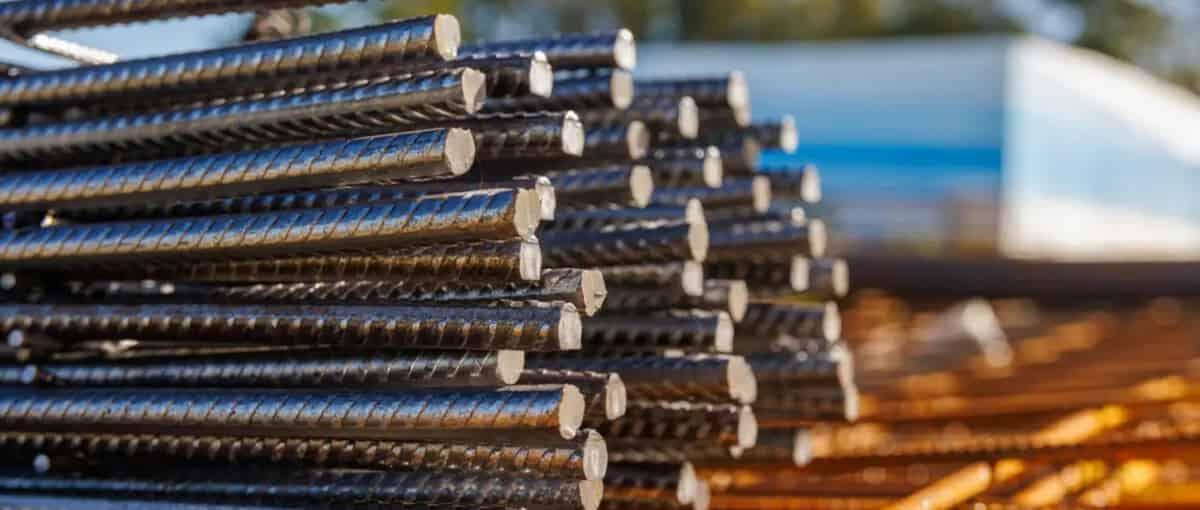
Arab Finance: The US Department of Commerce has finalized anti-dumping duties ranging from 34.2% to 52.73% on imports of steel reinforcing bars (rebar) from Egypt, while maintaining a 23.27% countervailing duty, according to the department's final determination.
Under the decision, Ezz Steel and most other Egyptian exporters will be subject to an anti-dumping duty of 34.2%, while Al Marakby Steel and Suez Steel will face a higher anti-dumping rate of 52.73%.
The anti-dumping duties are applied in addition to the 23.27% countervailing duty and the separate 50% tariff imposed on steel imports under Section 232 of the Trade Expansion Act of 1962. As a result, the cumulative tariff burden reaches 107.47% for Ezz Steel and most other Egyptian exporters, and 126% for Al Marakby Steel and Suez Steel.
The latest decision comes after steel was excluded from the new 12.5% tariff imposed on most Egyptian goods following the cancellation of the broader US emergency tariff regime. Steel continues to be governed under the separate Section 232 framework for metal imports.
The proceedings, however, remain subject to a final determination by the US International Trade Commission (ITC), which will decide whether imports of Egyptian rebar materially injured or threatened the domestic rebar industry.
If the ITC reaches an affirmative determination, the anti-dumping and countervailing duty orders will become permanent. A negative ruling would terminate both the anti-dumping and subsidy investigations.
Washington launched the investigations in June 2025 after six US steel producers filed petitions alleging that Egyptian exporters sold rebar in the US market at less than fair value and benefited from government subsidies.
In January, the US Department of Commerce imposed preliminary countervailing duties, bringing the cumulative tariff burden on Egyptian rebar exports to roughly 80%.
The department's final decision further increases pressure on Egyptian rebar exporters, while the outcome of the trade cases now depends on the ITC's ruling on whether the imports caused or threatened injury to the US rebar industry.