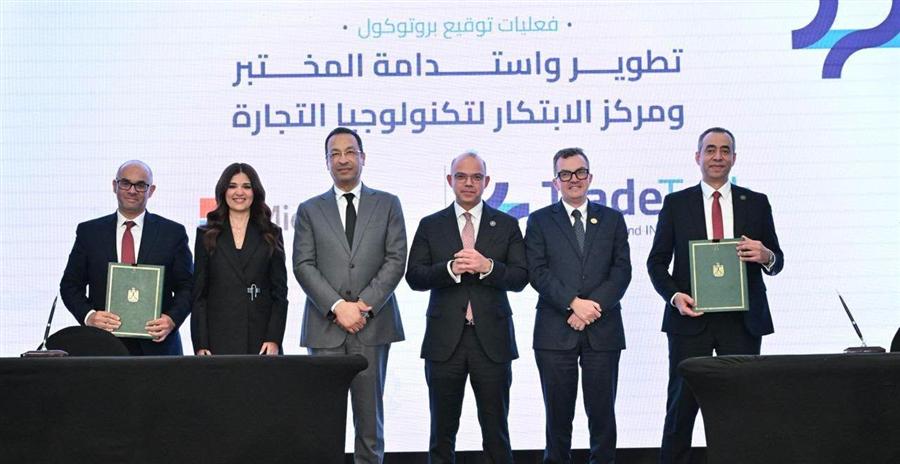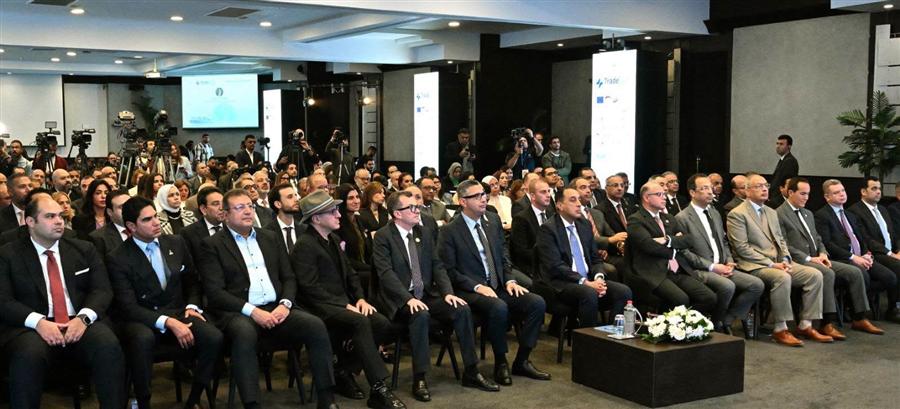
Arab Finance: Egypt's Ministry of Investment and Foreign Trade has launched the TradeTech Sandbox and Innovation Hub, a regulatory platform designed to help startups and technology companies develop and test digital solutions to improve foreign trade procedures, reduce costs, and enhance the efficiency of import and export operations, as per a statement.
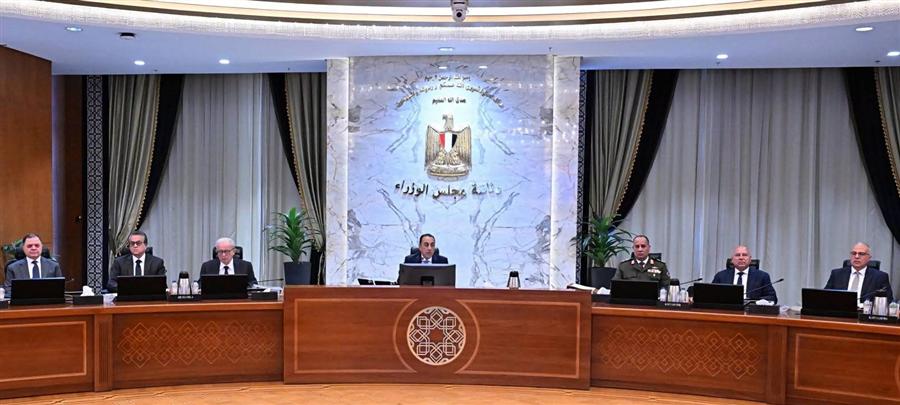
The launch, attended by Prime Minister Mostafa Madbouly, follows the recommendations of Egypt Forum 2026 and President Abdel Fattah El-Sisi's directives to accelerate digital transformation and expand technology adoption to strengthen the Egyptian economy's competitiveness and productivity.
The initiative provides a controlled regulatory environment where startups, technology firms, and innovators can test applications and business models under the supervision of relevant government and regulatory authorities before their wider implementation.
It aims to connect challenges facing businesses with technological solutions through cooperation between government agencies, regulators, and private-sector companies. Results from the testing process will also help improve regulatory frameworks and policies governing foreign trade.
The Sandbox covers several technological fields, including artificial intelligence (AI), digital payments, electronic documentation, data analytics, smart customs clearance, logistics, and supply chain management.
The platform has already received more than 15 proposals and participation requests from companies and technology providers. It is also collaborating with approximately 20 government agencies, regulatory authorities, private-sector institutions, and other partners through cooperation protocols aimed at supporting innovation and developing practical solutions.
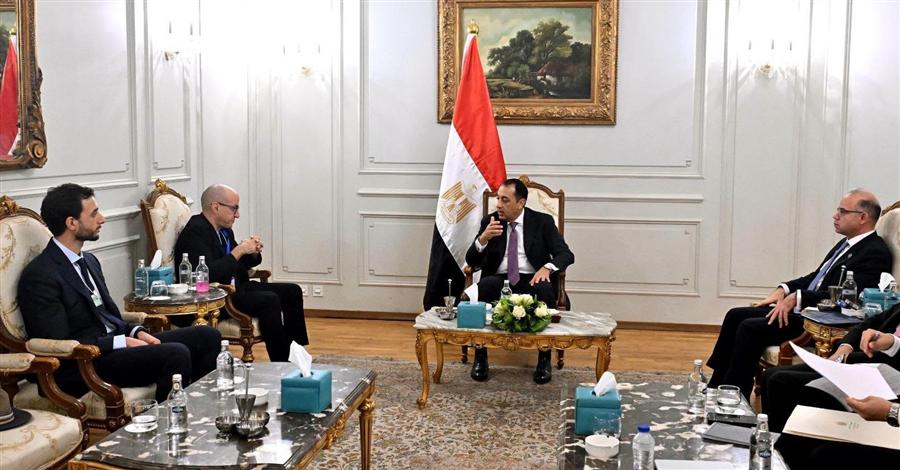
Speaking at the launch, Madbouly emphasized that improving trade competitiveness depends not only on production and export capacity but also on the efficiency of trade systems, faster procedures, and smoother cross-border movement of goods and services.
He explained that the initiative forms part of the government's efforts to modernize foreign trade operations through technological solutions that reduce processing times and costs while improving services for exporters and importers.
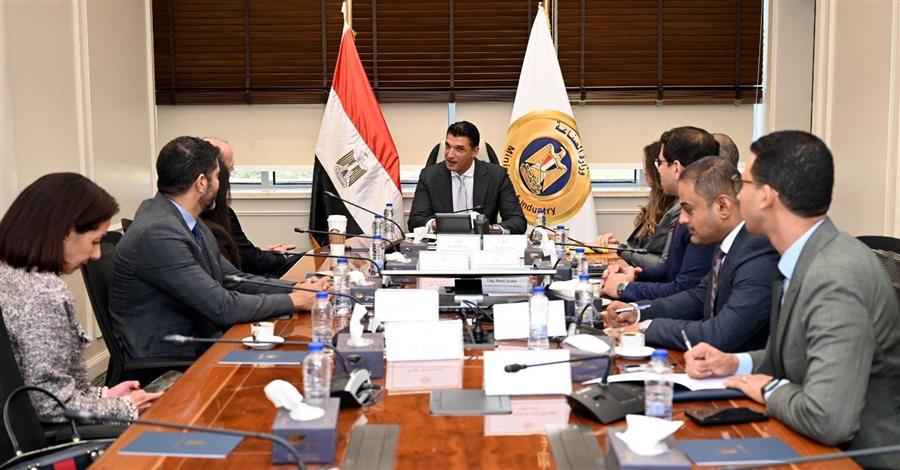
For his part, Minister of Investment and Foreign Trade Mohamed Farid Saleh highlighted the importance of moving beyond simplifying existing procedures toward redesigning trade services through technology and innovation.
Farid explained that the ministry seeks to establish closer cooperation between government bodies, regulators, startups, and technology providers to identify priority challenges and develop solutions that respond to the needs of businesses and investors.
He added that testing these solutions within a regulated environment would help facilitate trade flows, improve service delivery, and support the broader digital transformation of Egypt's trade ecosystem.
Regarding the platform's operating model, Sherif Yehia, Assistant Minister of Investment and Foreign Trade for Development and Digital Transformation and Executive Director of the TradeTech Sandbox, outlined a process that begins with identifying priority challenges and assessing proposed technological solutions.
Selected solutions will then undergo structured testing, with their results measured to determine their effectiveness and potential for wider implementation.
Yehia explained that successful trials could be expanded, while their findings would also inform improvements to relevant regulations and policies.