Arab Finance: Egypt's TradeTech Sandbox and Innovation Hub has signed 10 cooperation protocols with Egyptian and international companies and institutions to develop innovative technological solutions aimed at modernizing the country's foreign trade ecosystem, according to a statement from the Ministry of Investment and Foreign Trade.
The agreements were signed with etisalat Egypt, digital investment firm e-finance for Digital and Financial Investments, electronic payments provider Fawry, US-based payments technology company Visa, and technology giant Microsoft.
The participating entities also include Germany's international development agency Deutsche Gesellschaft für Internationale Zusammenarbeit (GIZ), Misr for Central Clearing, Depository and Registry (MCDR), Egyptian Banks Company for Technological Advancements (EBC), cybersecurity firm Cyber Force, and technology ecosystem platform Engineerex.
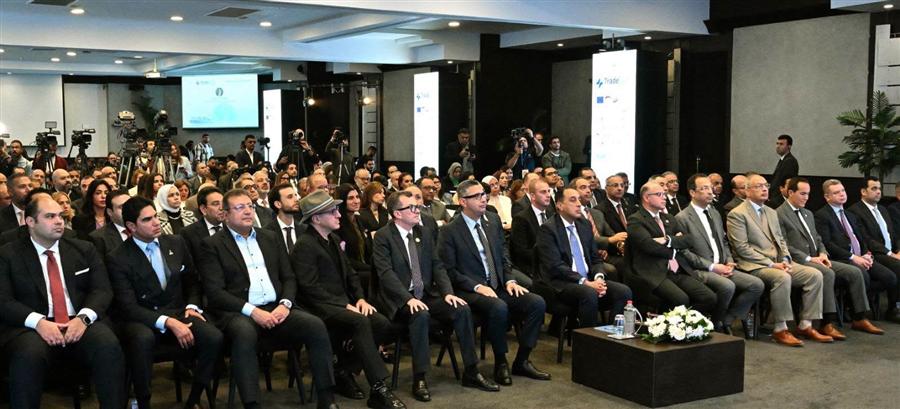
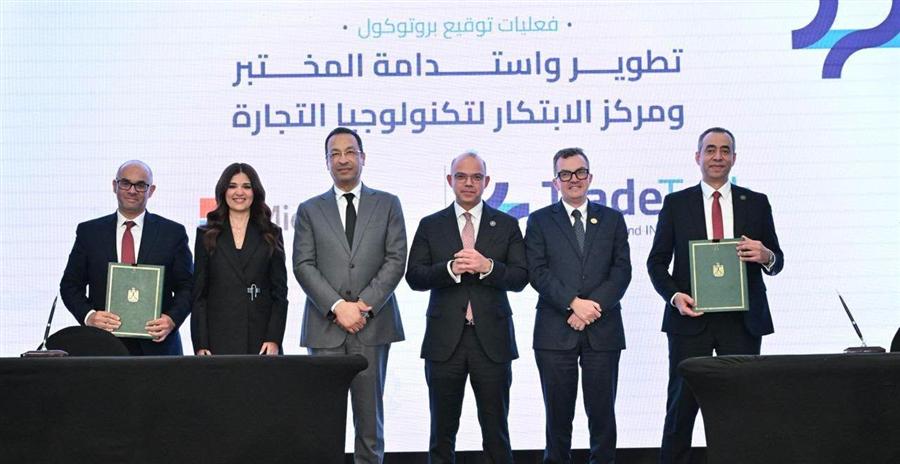
The signing took place during the launch of the TradeTech Sandbox, an initiative under the Ministry of Investment and Foreign Trade designed to strengthen cooperation between government entities, private-sector companies, and development partners.
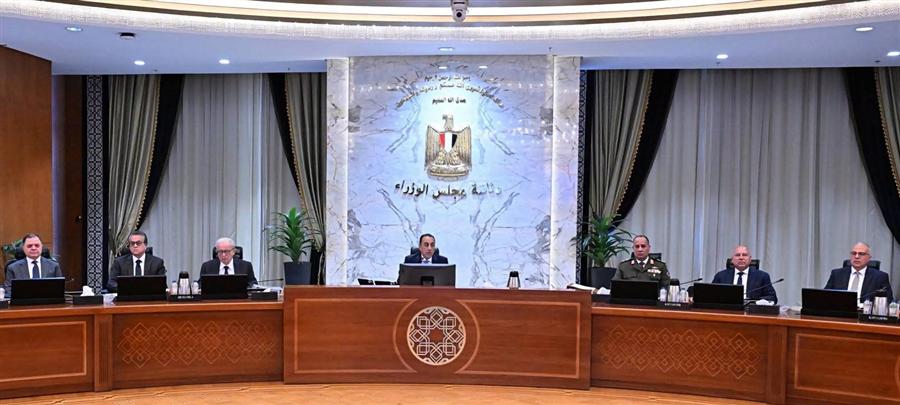
Minister of Investment and Foreign Trade Mohamed Farid Saleh, Minister of Planning and Economic Development Ahmed Rostom, and Minister of Communications and Information Technology Raafat Hendy attended the signing ceremony.
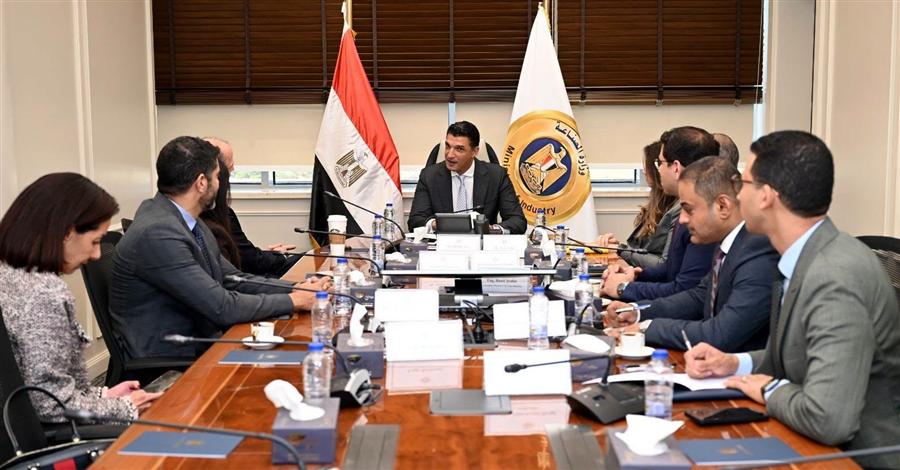
Sherif Yehia, Assistant Minister of Investment and Foreign Trade for Development and Digital Transformation and Executive Director of the TradeTech Sandbox, signed the protocols on behalf of the initiative alongside representatives of the participating entities.
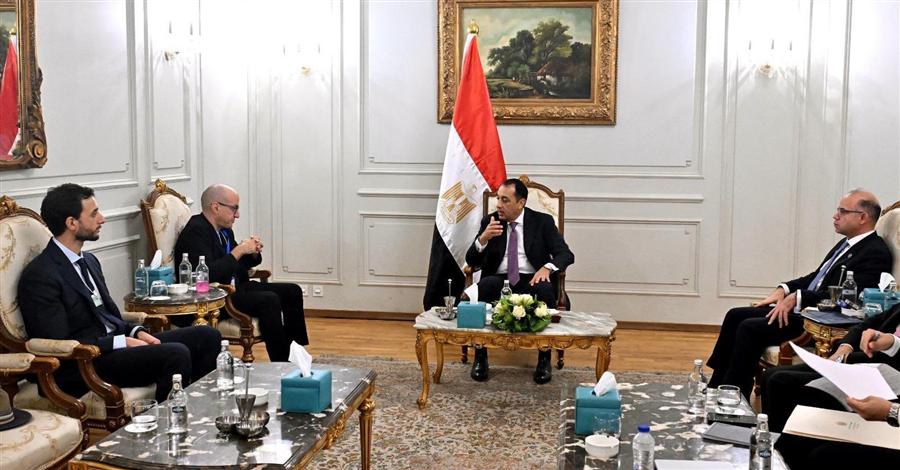
Farid said the agreements establish a framework for cooperation with private-sector companies and international institutions, bringing together their expertise and technological capabilities to address challenges facing Egypt's foreign trade sector.
He explained that the TradeTech Sandbox provides a secure, flexible regulatory environment for developing and testing technological applications and business models before scaling successful solutions.
The initiative aims to improve the efficiency of trade procedures, facilitate the movement of goods and services, and strengthen the competitiveness of Egypt's economy.
Farid also highlighted the importance of bringing together companies operating in telecommunications, financial services, digital payments, and technology, alongside international development institutions, to support innovation across the trade ecosystem.
He reaffirmed the ministry's commitment to creating opportunities for startups and entrepreneurs to develop and test their technological solutions in cooperation with relevant government and regulatory authorities.
The partnerships are expected to support digital transformation and contribute to the ministry's efforts to strengthen Egypt's role as a regional hub for trade and investment.