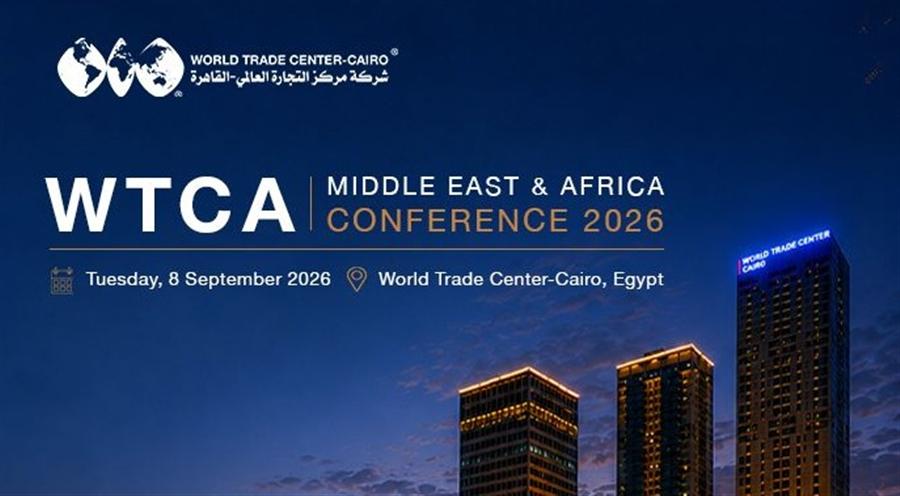
Arab Finance: World Trade Center (WTC) Cairo hosts the second WTCA Middle East & Africa Conference from September 7 to 9, 2026, bringing together business leaders, investors, policymakers, and WTC representatives from Africa, the Middle East, and international markets, as per a press release.
Held under the theme “Bridging the Gap Between Africa and the Middle East: Where Businesses, Investors, and Markets Meet,” the three-day gathering will explore ways to strengthen trade and investment corridors, align policies, improve market access, and remove barriers to regional economic integration.
The event will include the participation of Walid Anwar, Deputy CEO of the General Authority for Investment and Free Zones (GAFI), and Ahmed Saad Hassan Ali, CEO of the Suez Canal Economic Zone (SCZONE).
The conference will draw on the World Trade Centers Association’s (WTCA) network, which covers more than 300 locations in nearly 100 countries and territories. Through that reach, it aims to connect Egyptian companies with international markets and support cross-border trade and investment partnerships.
Anwar said the gathering could contribute to Egypt’s efforts to improve its business environment and strengthen private-sector activity. “Egypt’s investment landscape is evolving to offer businesses greater opportunities to establish, expand, and connect with regional and global markets. As we work to strengthen the investment environment and facilitate private-sector growth, platforms such as the WTCA Middle East & Africa Conference are valuable in bringing investors, businesses, and policymakers together to identify opportunities and build partnerships. We look forward to supporting the conference’s efforts to deepen investment cooperation between Africa and the Middle East and to position Egypt as a gateway for businesses seeking to access these markets.”
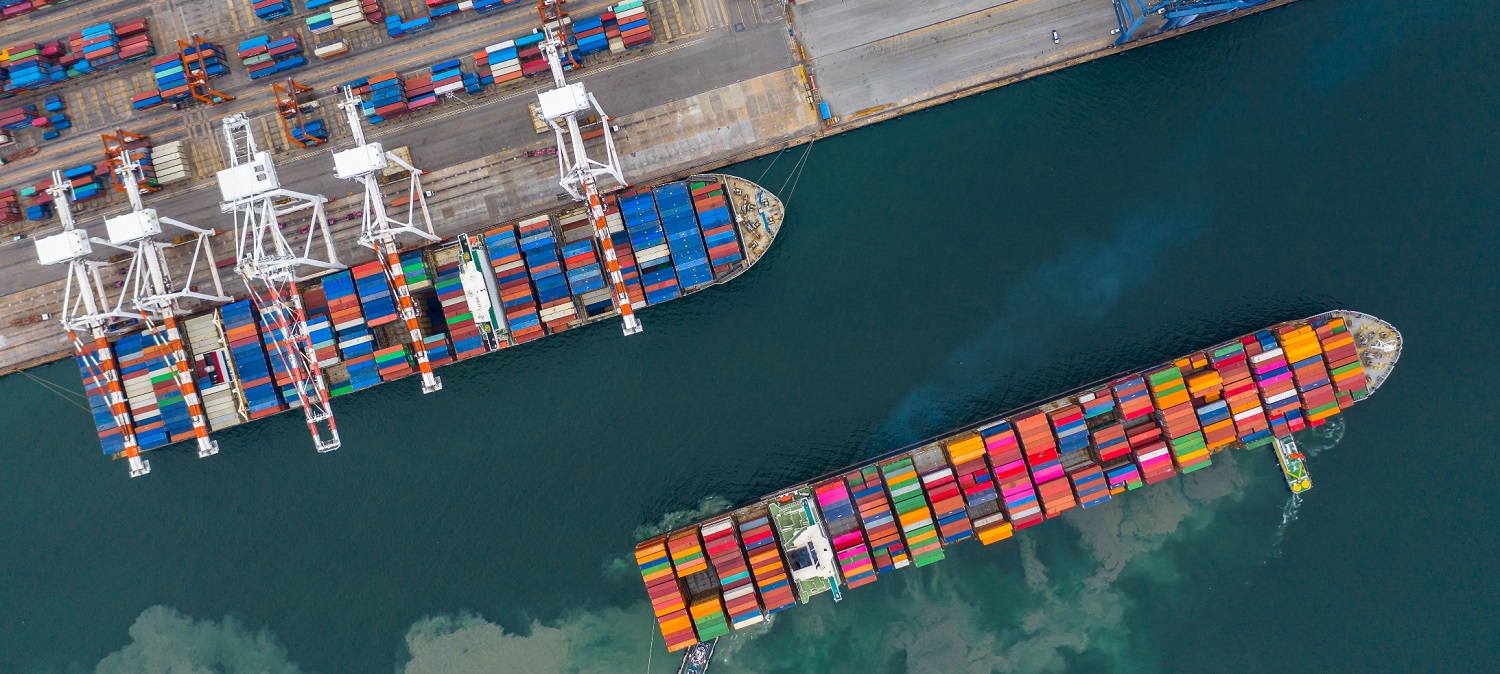
SCZONE’s participation will highlight the role of industrial zones, ports, and logistics infrastructure in connecting production centers with regional and international markets. Ali said the integration of SCZONE’s seaports with its industrial and logistics zones, combined with its location along global trade routes, offers companies opportunities to establish manufacturing bases close to their target markets.
SCZONE contracted 117 projects during fiscal year (FY) 2025/2026, representing investments of about $7.26 billion. According to Ali, the projects reflect rising investor confidence in the economic zone and span businesses targeting domestic, regional, and international markets.
He added that the investments support SCZONE’s efforts to develop an integrated industrial and export base, connect production with global trade flows, and establish investment and value-chain links among Africa, the Middle East, and international markets.
Against this backdrop, the conference will serve as a forum for examining new commercial corridors and building partnerships across markets. Discussions will focus on trade-policy coordination, regional integration, and stronger connections among capital, infrastructure, and business opportunities.