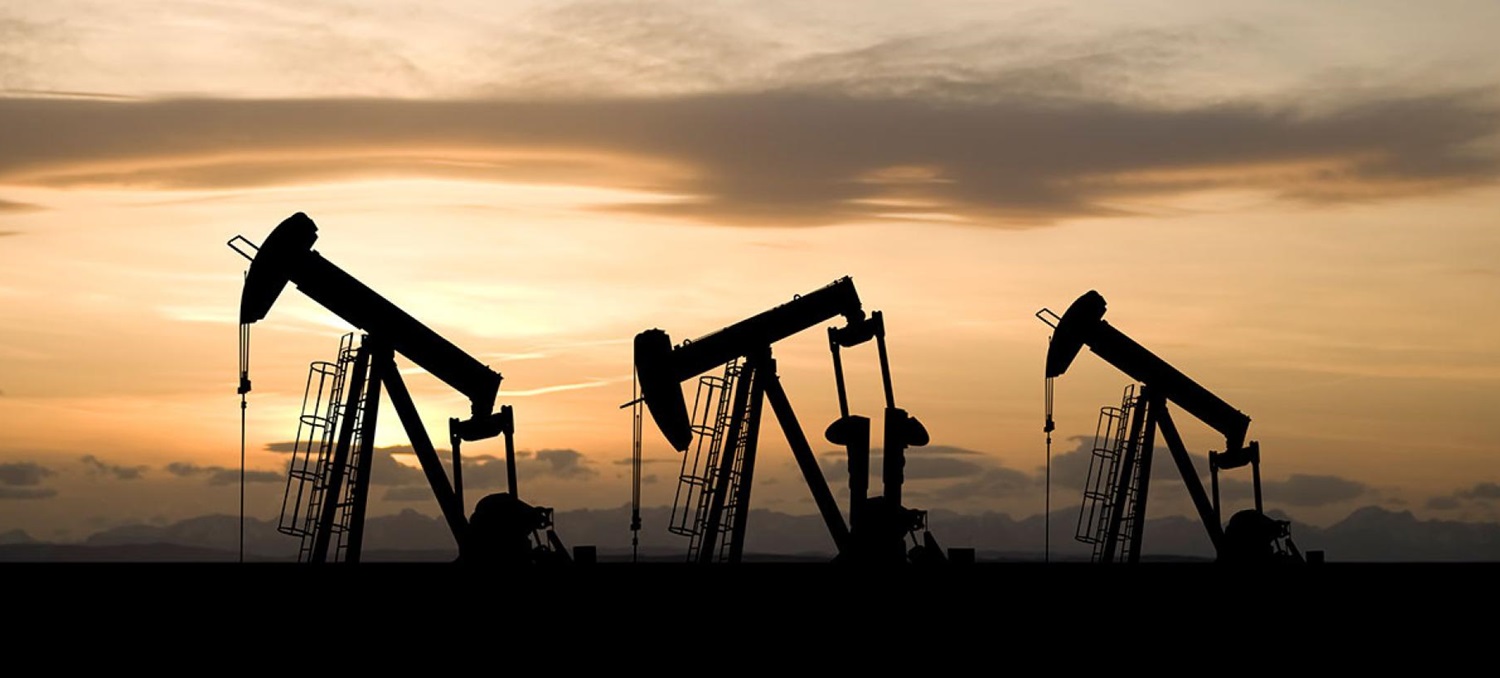
Arab Finance: Assiut Oil Refining Company (ASORC) produced approximately $3 billion worth of petroleum products in fiscal year (FY) 2025/2026 after refining 3.314 million tons of crude oil, while Petroleum Pipelines Company (PPC) transported more than 8.2 billion ton-kilometers through its 6,300-kilometer network, as per a statement.
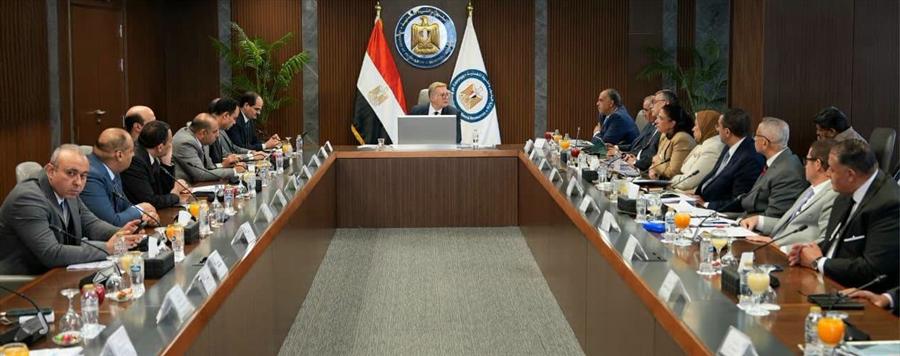
The results were presented during the companies’ general assembly meetings, which approved their financial results for the fiscal year. Minister of Electricity and Renewable Energy Mahmoud Esmat, Minister of Local Development and Environment Manal Awad, and Minister of Investment and Foreign Trade Mohamed Farid Saleh attended the meetings. Minister of Industry Khaled Hashem joined via video conference.
Minister of Petroleum and Mineral Resources Karim Badawi said developing refineries, improving crude oil and petroleum product transportation networks, and expanding storage and handling capacity are among the sector’s priorities for the coming period.
He added that these efforts are intended to maximize the use of Egypt’s petroleum resources, increase the value derived from crude oil, and improve the petroleum product trading system. The government is seeking to strengthen Egypt’s role as a regional hub for petroleum product trading by drawing on the country’s geographic location and infrastructure network.
Badawi said coordination between the petroleum and electricity ministries had helped secure fuel supplies for power plants during the summer, supporting the stability of the electricity grid as demand increased.
Esmat said cooperation between the ministries had helped power plants continue operating and enabled the grid to meet the requirements of households and industrial and productive sectors, even as peak load on the unified electricity grid exceeded 40,000 megawatts.
PPC and ASORC play a central role in this supply system by refining crude oil and transporting, storing, and distributing petroleum products across the country, including the fuel required by power plants, Badawi said.
The petroleum ministry is also prioritizing the modernization of refineries and production units, alongside the completion of projects already under construction. Badawi said the work would allow the sector to process current and future increases in domestic crude production into higher-value petroleum products.
He called for faster implementation of projects designed to expand refining capacity, increase domestic supplies, narrow the gap between production and consumption, and improve the sector’s ability to meet market demand.
Badawi also stressed that occupational safety and health are the responsibility of employees and management across the sector, rather than safety departments alone. He called for full compliance with procedures at work sites and further expansion of training and awareness programs.
PPC Chairman Haggag Rabie Kilani said the company continued implementing EGPC’s plan to transport crude oil and petroleum products and secure fuel supplies for electricity companies during FY 2025/2026.
Its infrastructure includes approximately 6,300 kilometers of pipelines, which transported more than 8.2 billion ton-kilometers during the year. The company also operates 155 storage facilities with a combined capacity of 2.5 million cubic meters.
Among its projects is the expansion of the Ain Sokhna terminal through the construction of a crude oil and petroleum product storage and pumping station on a 19-acre site. The project will raise the terminal’s storage capacity to 460,000 cubic meters from 300,000.
PPC is also replacing and modernizing the 135-kilometer Port Said-Abu Sultan-Suez pipeline, which has a diameter of 16 inches. In parallel, the company is building a 140-kilometer, 16-inch pipeline connecting the Middle East Oil Refinery (MIDOR) with El Hamra terminal.
The second pipeline is intended to support the expansion of facilities at El Hamra terminal and meet the future requirements of refining and petrochemical projects in New Alamein City.
Badawi instructed PPC to prepare a five-year plan to develop its capabilities in transporting crude oil and petroleum products while improving the efficiency and utilization of its infrastructure.
He said the plan should capitalize on Egypt’s geographic advantages and infrastructure to strengthen the country’s role in regional crude oil and petroleum product trading, pointing to the establishment of Fujairah-El Alamein Oil and Gas Company and the expanding role of the Arab Petroleum Pipelines Company (SUMED) in transporting and trading products between the Red Sea and Mediterranean Sea.
At ASORC’s general assembly, Chairman Issa Mohamed Abdel-Aal said high-value products accounted for approximately 57% of the company’s total refined output during FY 2025/2026.
The company is developing a third distillation unit, expected to increase its annual refining capacity to 9.5 million tons of crude oil from 4.5 million tons. The project is also intended to expand petroleum product supplies and maintain fuel oil deliveries to Assiut National Oil Processing Company (ANOPC), while supporting local manufacturing and raising the value derived from petroleum resources.
ASORC focused its operating policy during the year on increasing the production of middle distillates and high-value products. Liquefied petroleum gas (LPG) output rose 10% to 62,000 tons, while production of 80-octane gasoline increased 3% to approximately 366,000 tons.
The company produced around 419,000 tons of 92-octane gasoline, up 15%, and 115,000 tons of jet fuel in line with market requirements. Diesel output climbed 20% to 911,000 tons.
Badawi also said employees from Upper Egypt governorates account for approximately 95% of ASORC’s workforce, reflecting the company’s role in creating employment and supporting economic and social activity in the region.
As part of its social responsibility activities, ASORC completed a program that trained 400 university students and graduates in Assiut for freelance digital work. In cooperation with other petroleum-sector companies, it also equipped the bone marrow transplant unit, blood bank, and physical therapy facilities used to rehabilitate cancer patients at the Sohag Oncology Center.