Arab Finance: Egypt's Cabinet approved proceeding with contracting procedures with Elsewedy Electric to establish a manufacturing project for all types of electrical wiring harnesses and their components on a 22.6-feddan plot in the Manshaat Kamal area of Fayoum Governorate, as per a statement.
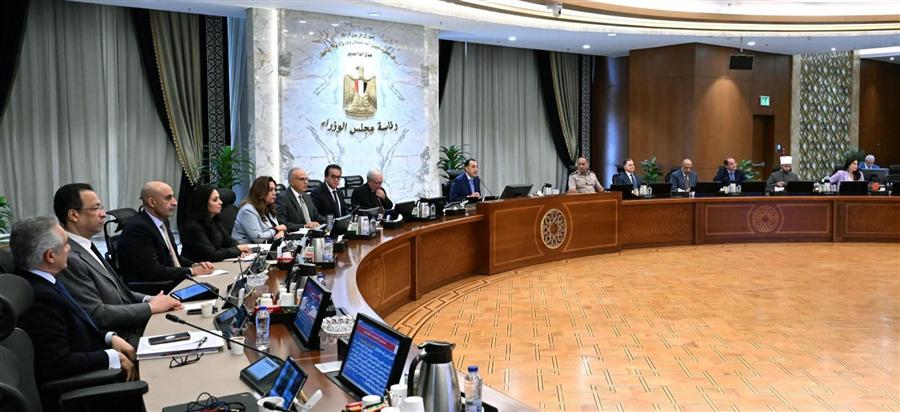
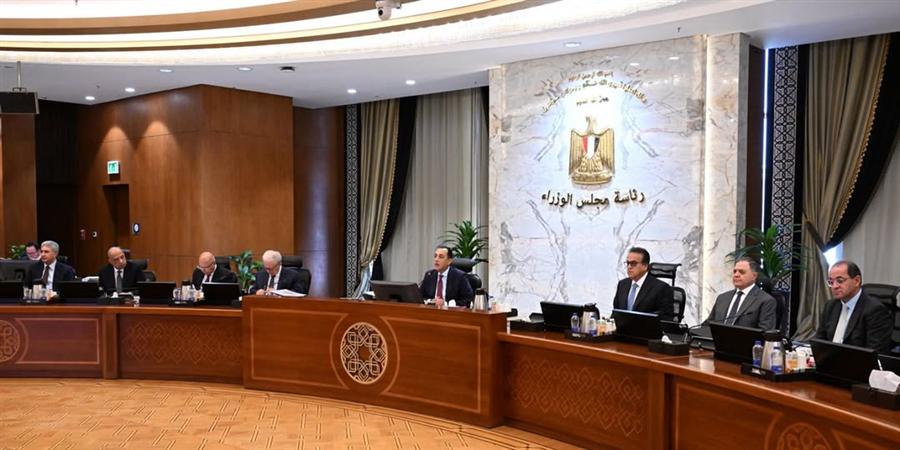
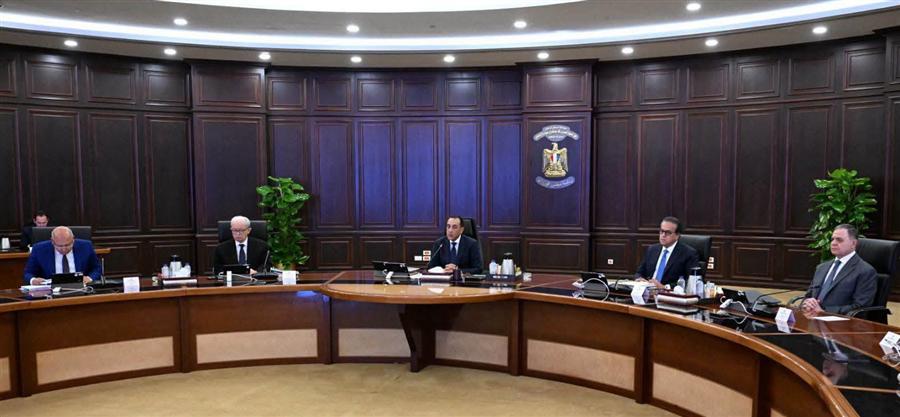
The approval came during the Cabinet's latest meeting, which also cleared several projects spanning food security, electricity infrastructure, logistics, and corporate capital expansion.
Among the decisions, the Cabinet approved the Ministry of Supply and Internal Trade, represented by the Holding Company for Food Industries (HCFI), proceeding with the implementation of the first phase of 300 strategic bakeries across Egypt. The project aligns with presidential directives to meet demand for the strategic commodity and ensure its availability in all governorates.
The Cabinet also approved a draft presidential decree covering financing agreements for the project to strengthen Egypt's electricity grid. The project forms part of the green development projects package in the energy sector under the Nexus of Water, Food and Energy (NWFE) program. It includes a €35 million investment grant from the European Union (EU) and a €2 million technical cooperation grant from the European Bank for Reconstruction and Development (EBRD).
The project is intended to strengthen and modernize the electricity transmission and distribution network through several components that support grid stability and expand the use of wind energy, contributing to Egypt's long-term strategy to accelerate renewable energy deployment by 2030.
In a separate decision, the Cabinet approved increasing the authorized capital of the Suez Canal Company for Modern Boats from $100 million to $250 million.
The Cabinet also approved plans by a specialized transportation and services company to establish an integrated logistics and services zone on a 30-acre site in Toshka City, Aswan Governorate. The zone will support the planned dry port and facilitate trade, transportation, and logistics across Upper Egypt.
According to the Cabinet, the logistics project supports the state's efforts to position Egypt as a regional and global trade and logistics hub while encouraging investments that contribute to economic and urban development in promising areas. It is also expected to strengthen trade opportunities, support supply chains, and boost Egyptian exports of agricultural products, goods, and commodities.