Egypt’s economic engagement with Africa is undergoing a profound transformation, moving beyond traditional trade and political coordination toward strategic development partnerships anchored in infrastructure diplomacy. The Julius Nyerere Hydropower Project in Tanzania epitomizes this shift. The $2.9 billion project not only showcases Egypt’s engineering capacity but also serves as a platform for wider economic integration, industrial investment, and soft power expansion.
By linking energy security with trade, workforce development, and long-term value chain participation, Cairo is positioning itself as a continental partner. This helps embed Egyptian companies into African ecosystems, reshape Nile Basin relations, and counterbalance global competitors through infrastructure-led trade diplomacy.
Soft Power Through Infrastructure
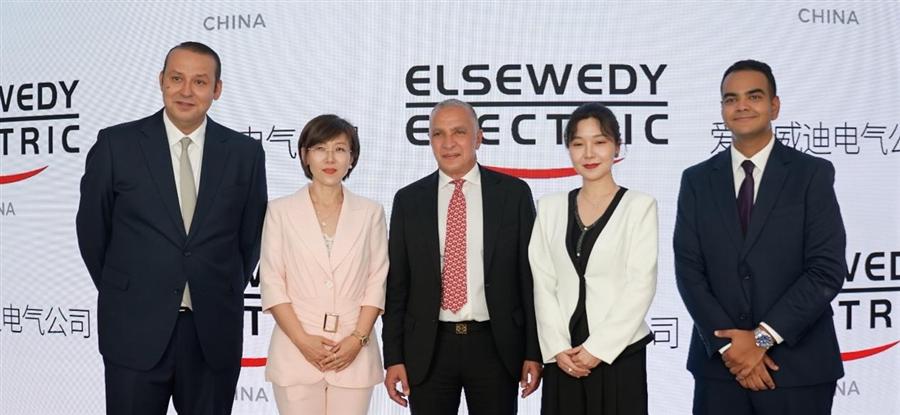
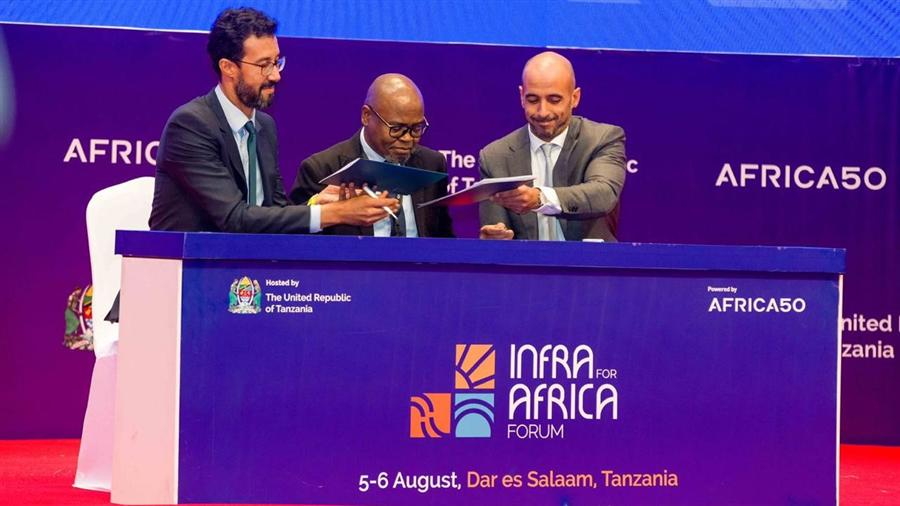
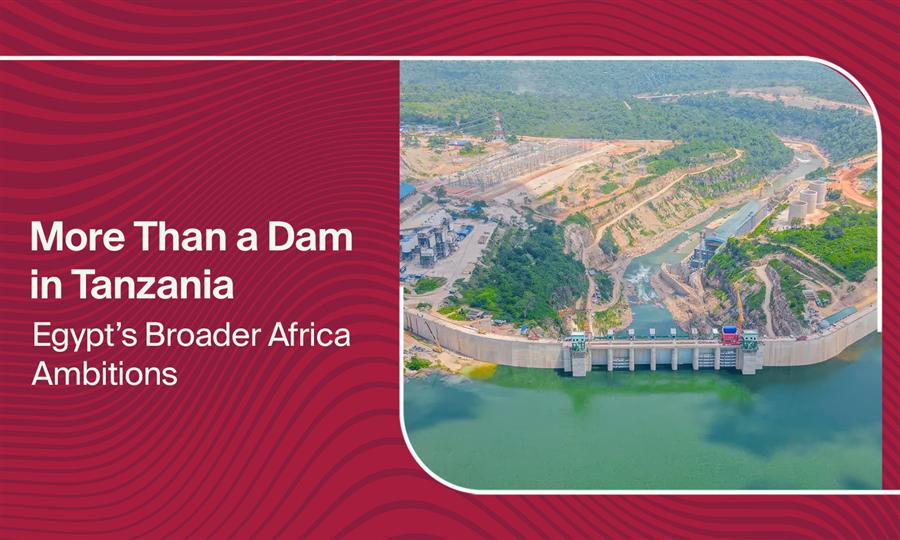
Launched in 2017 and built by a consortium of Arab Contractors and Elsewedy Electric, the dam is fully financed by Tanzania and underscores Egypt’s role as a partner in Africa’s modernization. Prime Minister Mostafa Madbouly depicted the project as a cornerstone of Egypt’s soft power, reinforcing bilateral cooperation and trust.
In this context, Egyptian companies act as ambassadors of national expertise. With a generation capacity of 2,115 megawatts (MW), comparable to Egypt’s Aswan High Dam, the Julius Nyerere Dam demonstrates Egypt’s ability to deliver large-scale projects and opens doors for wider African contracts, according to Madbouly.
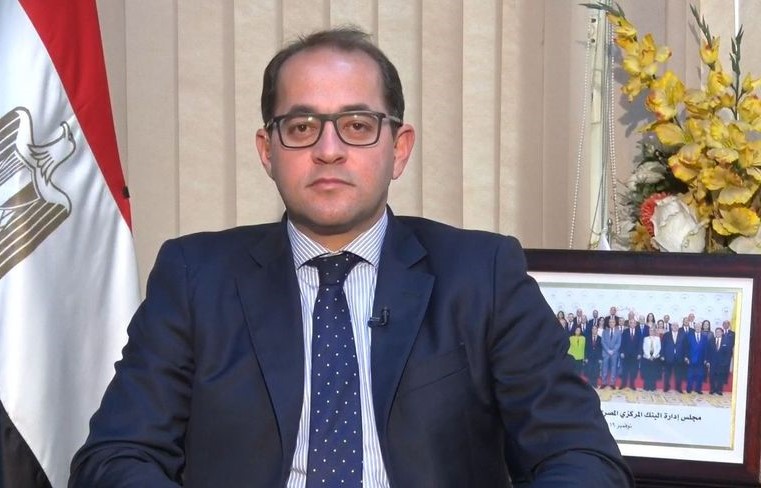
Speaking to Arab Finance, Economist Ahmed Zayed highlights that the project “lifted Tanzania's total generation base from 2,531 MW to 4,646 MW, nearly doubling it, while supplying roughly 44.9% of the electricity fed into the national grid over the 11 months to May 2026.”
He emphasizes that such a reliable power supply is a prerequisite for the African Continental Free Trade Area’s (AfCFTA) vision of cross-border trade.
Meanwhile, Mohamed Hanafi, Managing Director, LYNX Strategic Business Advisors, adds that “Egypt's role in African infrastructure aligns naturally with the objectives of the AfCFTA, which focus on intra-African trade, fewer barriers, real industrialization rather than just extraction and export.”
“The Julius Nyerere Hydropower Project is a good example: $2.9 billion, 2,115 MW, built by Arab Contractors and Elsewedy Electric,” Hanafi notes. “As you may be aware, this was a self-funded Tanzanian investment —Egypt's role was execution and industrial partnership, not financing—but that is arguably the more interesting model. It is not just a construction contract; it is energy security and connectivity for the region, and it opens the door to actual electricity trade between countries.”
The real test, he stresses, is whether this power translates into sustained industrial investment and productivity, not just a project on paper.
From Contractors to Continental Partners
The dam aims to curb flooding and alleviate Tanzania’s power shortage, supplying electricity to more than 60 million people. Consequently, this clean-energy foundation supports industrial growth and enhances Tanzania’s resilience.
At the same time, the Julius Nyerere Dam is not Egypt’s only project in Tanzania. Egyptian investors recently signed land allocation agreements at Elsewedy Industrial City in Tanzania, with plans to establish pharmaceutical, engineering, and food-manufacturing facilities worth $50 million. Egypt’s participation in AfCFTA, the Common Market for Eastern and Southern Africa (COMESA), and the Tripartite Free Trade Area provides preferential access to African markets, enabling deeper trade integration.
In terms of human capital, Madbouly noted that the project employed around 12,000 workers, including 1,700 Egyptians. Ahmed Ghaly, a trade economist, notes that this collaboration fostered knowledge transfer and institutional capacity. “The long-term value of this cooperation goes beyond the skills acquired during construction.”
“Large infrastructure projects create institutional knowledge on how to manage complex projects, coordinate multiple contractors, maintain quality and safety standards, and operate sophisticated infrastructure after completion. This experience strengthens Tanzania’s own capacity to implement future infrastructure projects,” Ghaly explains.
Building on this, Zayed adds that the deployment of Egyptian engineers and technicians, combined with Tanzania’s decision to finance the project entirely from its own budget, opens the door for long-term investment opportunities.
“Having proven delivery at this scale, Egyptian companies are positioned to move from one-off engineering, procurement, and construction (EPC) contractor to recurring revenue partner, through long-term operation and maintenance agreements, closer ties with the African and international financial institutions that fund such projects, and earlier entry into host countries' local supply chains, turning a single transaction into a durable economic footprint,” Zayed says.
Hanafi underscores that Julius Nyerere proves Egyptian companies can deliver complex infrastructure in African markets, with that track record itself as a form of soft power.
“The more interesting part is what happened after the project was finished. Elsewedy went on to build an industrial complex in Tanzania that manufactures power and electrical cables, transformers, electrical meters, PVC products and insulators. Seven Egyptian investors have since signed on to set up their own manufacturing operations in that same industrial city,” he says.
“That is the real shift — from a single contract to something closer to a permanent commercial presence, with local partners and regional supply chains built around it.”
Hanafi also highlights that the project should be separated from Nile water politics, viewing it as industrial and commercial positioning.
From Projects to Value Chain
Egypt positions itself as a development partner, not merely a trade ally. By embedding itself in African industrial ecosystems, Cairo not only strengthens long-term economic ties but also enhances credibility.
Infrastructure projects bolster Egypt’s credibility and help it compete with China, Türkiye, and Gulf states for economic influence across Africa. As Madbouly noted, the Julius Nyerere Dam is a symbol of Egypt’s soft power in Africa.
In line with this, Zayed points to Madbouly's remarks at the Julius Nyerere project inauguration that Egypt does not oppose development in Nile Basin countries. “In effect, the same infrastructure that advances AfCFTA integration and generates long-term returns for Egyptian firms also reframes Egypt's regional image, from upstream rival competing over Nile water shares to a development partner, reinforcing Egypt's strategic position in the Basin.”
Looking ahead, Egyptian companies can replicate this model in other African states, expanding into roads, ports, renewable energy, and logistics zones. Ghaly stresses that “the objective should be to move from project-based cooperation to value-chain integration. The dam should not be viewed as the end-product of Egyptian–Tanzanian economic cooperation, but as a platform from which a much broader relationship in trade, investment, manufacturing, technology, and services can develop.”
Hanafi further notes that frameworks like AfCFTA matter more year by year, but they only work if backed by stronger investment guarantees, modernized customs processes, and harmonized standards.
“That is what gives Egyptian companies the confidence to take on the risk of a new market,” he says, adding that bilateral investment agreements and energy cooperation deals are equally critical.
The challenge, he cautions, is consistency: sustaining Egypt’s push into African markets over several years rather than treating it as a one-off effort.
Infrastructure-Led Trade Diplomacy
In this regard, Ghaly underscores logistics as a critical bottleneck. “Trade agreements provide market access on paper, but competitive shipping, warehousing, trade finance, customs efficiency, and distribution networks determine whether that market access translates into actual trade.”
He argues that Egyptian companies should leverage infrastructure projects as entry points into wider economic ecosystems. “Once an Egyptian company builds a power plant, for example, the next step should be to supply cables, transformers, electrical equipment, construction materials, maintenance services, digital solutions, and eventually financing and logistics. This can create a much deeper commercial ecosystem around the original investment,” he explains.
Ghaly also identifies pharmaceuticals, electrical equipment, construction materials, agro-processing, fertilizers, ICT, and financial services as sectors with strong potential. He notes that “Egypt has a substantial generic-drug manufacturing base, while Tanzania and the wider East African market have growing demand for affordable medicines. Regulatory cooperation and greater recognition of product registrations would be important for unlocking this potential.”
“There is also strong potential for two-way agricultural trade. Tanzania can supply agricultural commodities to Egypt, while Egyptian companies can provide irrigation systems, fertilizers, agricultural machinery, food-processing technologies, packaging, and cold-chain solutions,” Ghaly points out.
Egypt’s evolving role in Africa is not defined solely by the scale of its engineering projects, but by the broader ecosystems those projects unlock. The Julius Nyerere Dam demonstrates how infrastructure can catalyze industrial growth, workforce development, and trade integration. Yet its deeper significance lies in the shift from transactional contracts to enduring partnerships.
By embedding itself in supply chains, financing networks, and regulatory cooperation, Cairo is laying the groundwork for a more resilient and interconnected African economy.
By Sarah Samir