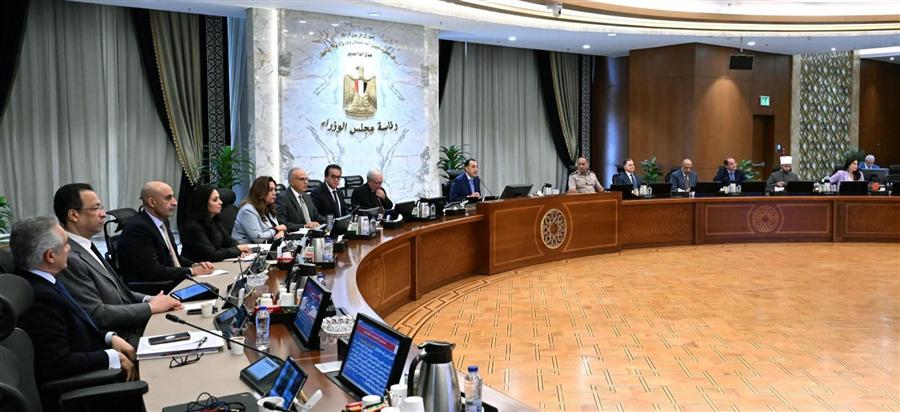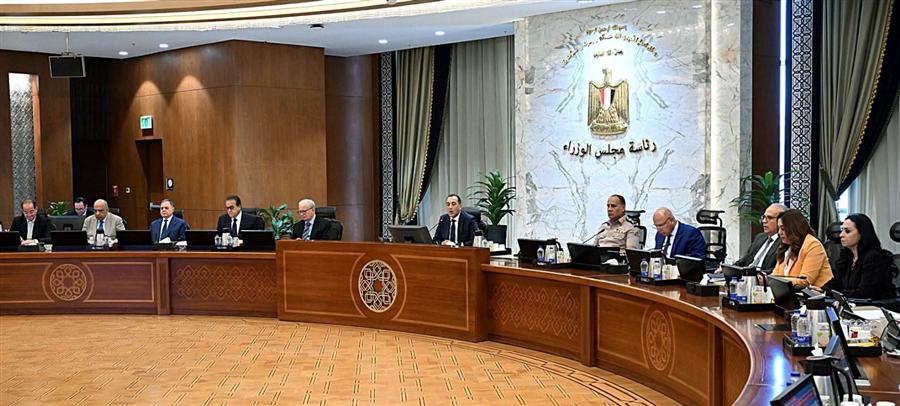
Arab Finance: Egypt's Cabinet approved granting Golden Licenses to Nefertiti for Battery Energy Storage SAE and Horus Energy Storage for two battery energy storage projects in Aswan and Suez governorates, with combined investments of $800 million, as per a statement.
Nefertiti for Battery Energy Storage SAE will design, construct, manufacture, manage, operate, and maintain battery energy storage systems using various energy sources, with $450 million in investment.
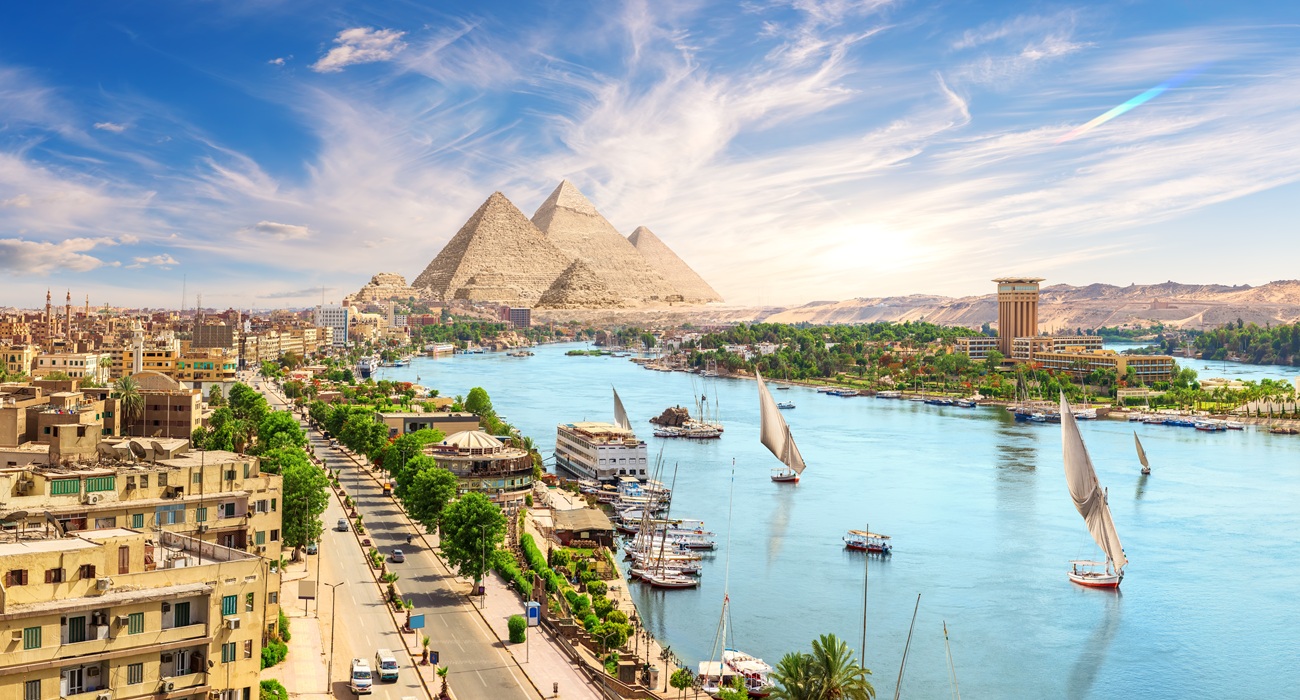
This project will be developed on more than 214,000 square meters in Benban, Aswan, on land allocated to the New and Renewable Energy Authority (NREA) for renewable energy projects. It is expected to create around 1,650 jobs while supporting environmental sustainability, improving the efficient use of natural resources, and reducing carbon emissions.
On the other hand, Horus Energy Storage's project will be developed in Zaafarana, Suez Governorate, on more than 177,000 square meters of land allocated to the NREA under the same presidential decree. The $350 million project is expected to create around 1,400 jobs while supporting environmental sustainability and helping reduce carbon emissions.
The two projects form part of Egypt's efforts to expand renewable energy capacity and strengthen the resilience and stability of the national electricity grid as solar and wind generation continues to increase. The battery storage facilities are expected to support the integration of additional renewable energy capacity, improve energy security, and enhance grid reliability.
In a separate decision, the Cabinet approved the establishment of a new project as per the special free zone system to manufacture textiles, under the name of Bony Egypt for Textile Manufacturing, on a 75,245.41-square-meter plot of land in the 10th of Ramadan City, Sharqia, allocated to SDM Company for Development and Management or Elsewedy Industrial Development.
The project will involve investments of up to $82 million and is expected to offer approximately 2,500 jobs for Egyptian workers and 50 jobs for foreign workers. It is also expected to export 100% of its production, which is projected to reach 75 million pieces during its first year of operation and to 150 million pieces in the second year.