Arab Finance: The Egyptian General Petroleum Corporation (EGPC) recorded 63 new oil and gas discoveries and refined around 28 million tons of crude oil during fiscal year (FY) 2025/2026, meeting the domestic market’s petroleum product needs, as per a statement.
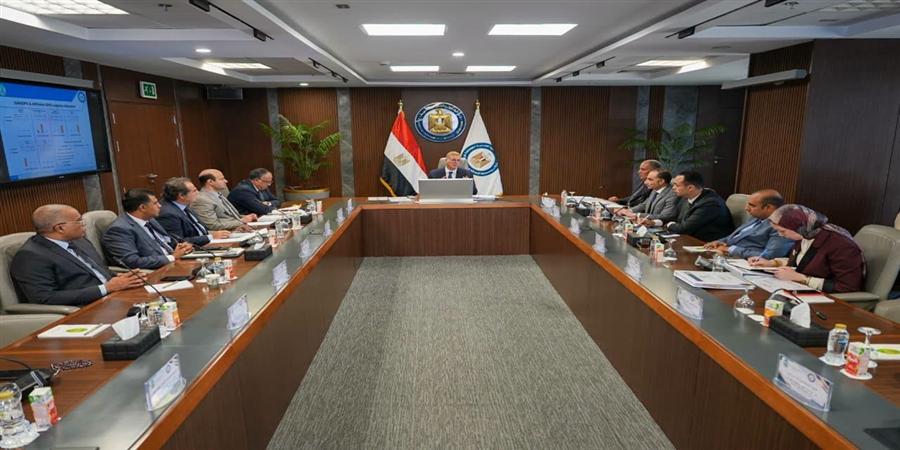
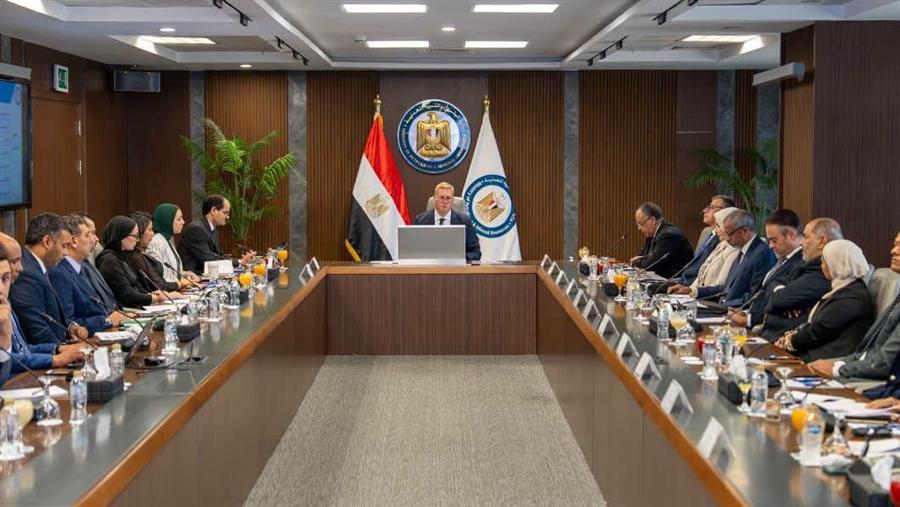
The discoveries comprised 48 oil finds and 15 natural gas finds, EGPC CEO Salah Abdel-Karim said during a board meeting chaired by Minister of Petroleum and Mineral Resources Karim Badawi to approve the corporation’s annual operational results.
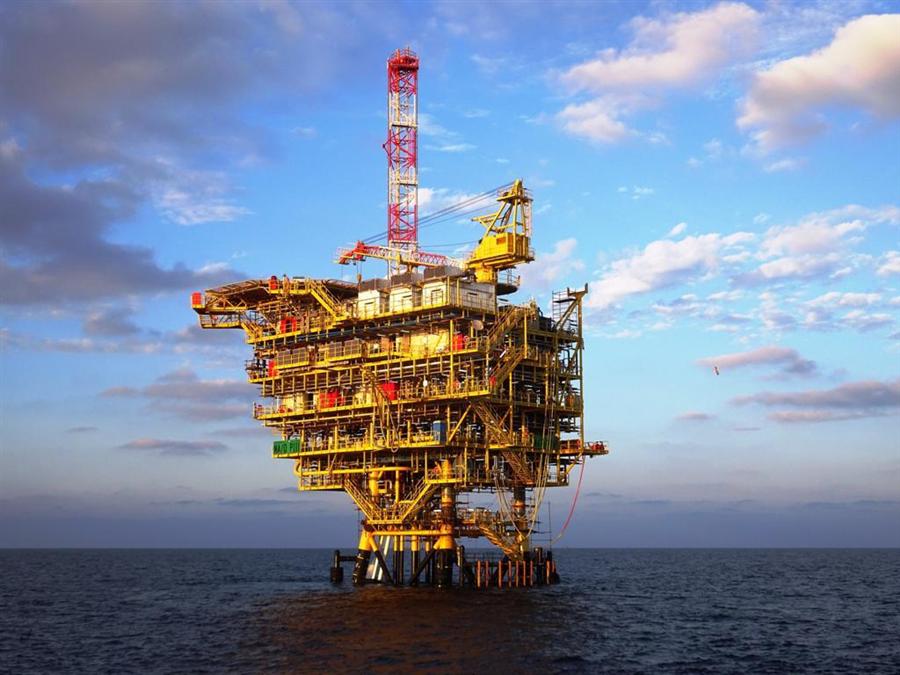
EGPC also signed eight oil and gas exploration agreements involving minimum investments of $377 million and non-refundable signature bonuses totaling $74 million. Nine field development contracts were concluded during the year, while exploration and production investments reached approximately $4.5 billion.
Abdel-Karim said the corporation had reversed the decline in crude oil production by focusing on offsetting the natural depletion of reservoirs and fields, helping return production to an upward trajectory.
Badawi attributed the recovery in part to the full settlement of outstanding dues owed to investment partners, which had accumulated between 2021 and June 2024.
The accumulated dues had placed financial pressure on EGPC and slowed field development and exploration activity, affecting production rates. Settling them helped restore investor confidence and encouraged partners to increase investment in drilling, exploration, and field development, according to the minister.
Badawi said restoring production is a gradual process that begins with offsetting natural field decline, followed by stabilizing output and then achieving incremental increases. Crude production has already begun to rise, he added.
The ministry and EGPC also increased refinery operating rates from around 67% to more than 80% by allocating additional crude for processing and implementing efficiency upgrades.
These measures raised the volume of refined crude to approximately 28 million tons, compared with around 25.3 million tons in the previous fiscal year. EGPC also conducted 14 major refinery overhauls to improve operating efficiency and preserve assets.
The higher refinery utilization contributed to increased diesel output from March 2026 and enabled refineries to reach maximum gasoline production capacity.
Progress on the diesel and high-value petroleum products complex operated by Assiut National Oil Processing Company (ANOPC) reached around 90%. The project is scheduled to begin operations in the first quarter of 2027.
EGPC met the domestic market’s entire demand for petroleum products during the fiscal year. Gasoline and liquefied petroleum gas consumption remained stable, while diesel and fuel oil consumption declined slightly despite population growth and the expansion of economic activities and projects.
Alongside its production and refining activities, EGPC awarded a tender for a seismic survey covering 111,000 square kilometers in the Western Desert. The survey is scheduled for fiscal year 2026/2027 and will use modern technologies intended to reduce investment risks and encourage exploration in untapped areas.
The corporation also introduced contracting models including integrated project management (IPM) and lump-sum turnkey (LSTK) arrangements to improve execution efficiency, shorten project completion periods, and accelerate the transition of discoveries into production.
EGPC adopted additional incentives to encourage partners to invest in renewable energy, electricity interconnection, reduced diesel consumption, and the use of flare gas. The corporation aims to power all worker accommodation camps at petroleum fields with solar energy by March 2027.
Sixteen energy-efficiency projects implemented at petroleum company sites during the year generated savings of 1,927 megawatts of electricity, 25,000 tons of diesel, and 1.6 billion cubic feet of gas.
In strategic storage, EGPC advanced the construction of 29 crude oil tanks with a combined capacity of around 32 million barrels. Fifteen of the tanks have been completed, supporting greater supply-chain flexibility and the sector’s ability to respond to energy market volatility.
The corporation’s digital transformation program included establishing Energy Digital Systems (EDS), which is preparing to begin manufacturing digital fuel pumps locally.
EGPC also expanded its automated tank gauging (ATG) system for monitoring inventories at fuel stations and its remote tank gauging (RTG) system for tracking storage levels at fuel depots. It is also implementing a supervisory control and data acquisition (SCADA) system to monitor petroleum pipeline networks.
On safety and environmental performance, EGPC is developing unified digital platforms to manage safety indicators and monitor environmental performance. It has also expanded safety briefings, training, awareness campaigns, and the dissemination of lessons from previous incidents.
The corporation is cooperating with TotalEnergies on a safety system for the road transportation of petroleum products, building on results achieved through cooperation with Misr Petroleum. Partnerships with Baker Hughes, Shell, and Eni are also supporting safety initiatives and training programs.
EGPC connected 12 refinery stacks to the Egyptian Environmental Affairs Agency’s (EEAA) monitoring system and expanded industrial wastewater treatment projects across petroleum companies.
Under its corporate social responsibility program, the corporation implemented 109 projects benefiting around 300,000 people in communities surrounding petroleum operations. The projects covered healthcare, education, economic empowerment, improved living standards, support for female heads of households, and presidential initiatives.
Badawi said EGPC remains central to the ministry’s efforts to secure petroleum products for the domestic market, support state sectors, restore production, and attract investment despite energy market volatility, higher operating costs, supply-chain disruptions, and the effects of lower investment in previous years.