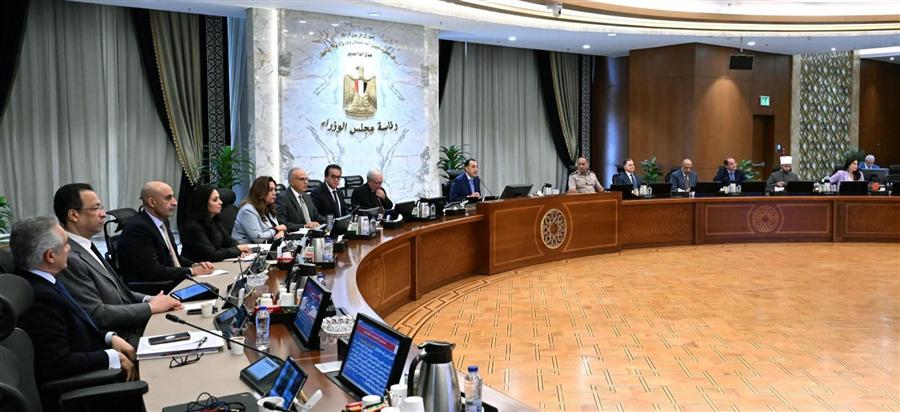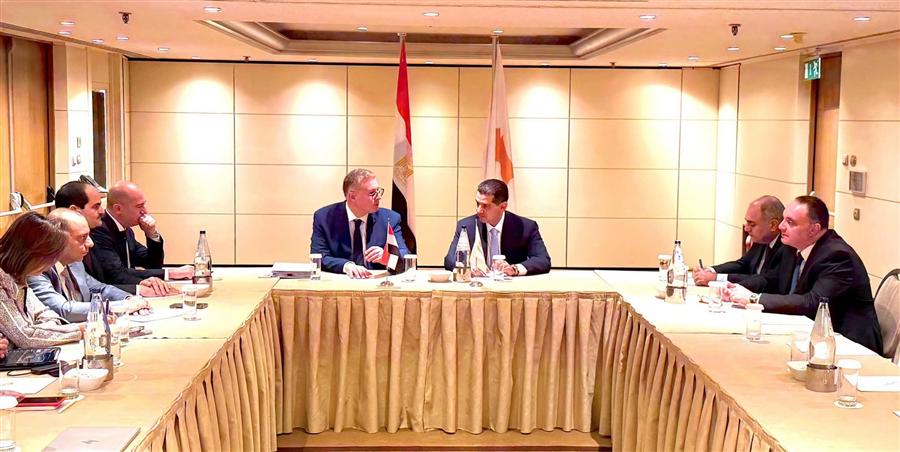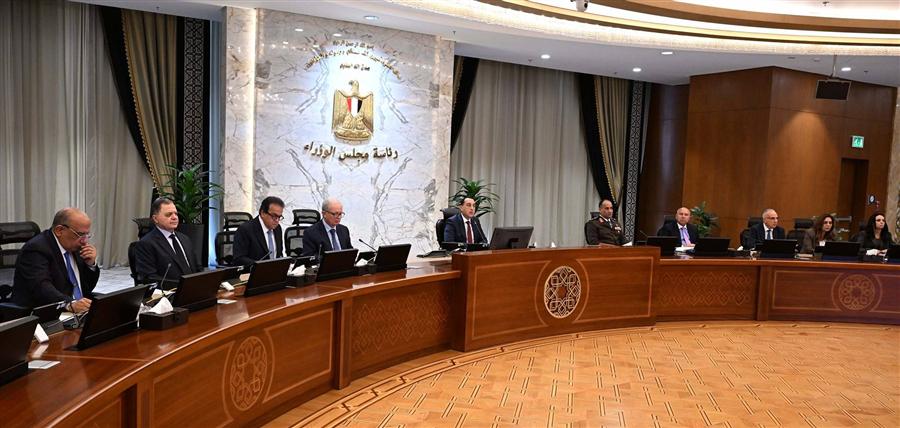
Arab Finance: Egypt and Spain are moving to strengthen bilateral cooperation in combating crime after the Egyptian Cabinet approved two draft presidential decrees covering mutual legal assistance in criminal matters and extradition between the two countries, as per a statement.
The first decree concerns the Mutual Legal Assistance in Criminal Matters agreement between Egypt and Spain.
The agreement regulates cooperation between the two sides in criminal investigations and proceedings and consists of 26 articles addressing the central authority, the scope of assistance, the content of requests, applicable law, expenses, appearances before the requesting party, and the use of videoconferencing.
It stipulates that mutual legal assistance applies to investigations, prosecutions, and criminal procedures that fall within the jurisdiction of the requesting party at the time the request is submitted.
The agreement covers a wide range of cooperation measures, including locating and identifying individuals, serving judicial documents, executing search and seizure warrants, obtaining testimony from witnesses and experts, collecting statements from the accused, and searching for, freezing, confiscating, and seizing the proceeds of crime.
It also allows for any other form of assistance that falls within the scope of the agreement.
Detailed procedures are set out for submitting requests, including required content, supporting documents, relevant legal texts, and any additional information deemed useful by the requested party to execute the request.
The agreement further establishes rules for obtaining testimony, allowing the judicial authorities of the requesting party to summon a witness, expert, or accused person to its territory to provide testimony or information, while granting them immunity and prohibiting their prosecution in the territory of the requested party.
It also allows for the temporary transfer of detained persons to facilitate testimony and permits the delivery of testimony via videoconference, subject to conditions agreed on a case by case basis and in accordance with the national legislation of either country.
The Cabinet also approved a second draft presidential decree concerning the extradition treaty between Egypt and Spain. The treaty aims to enhance cooperation in combating crime and to prevent the provision of safe havens for criminals.
It comprises 19 articles covering extraditable offenses, required documentation, mandatory and discretionary grounds for refusing extradition, central authorities, and rules related to the preventive detention of individuals sought for extradition.
Under the treaty, both countries agreed to exchange individuals present in the territory of either party who are accused or convicted and wanted by the other party for trial or to serve a sentence.
Extradition is permitted for acts that constitute crimes under the laws of both countries and are punishable by imprisonment of at least one year or a more severe penalty.
In cases involving convicted persons, extradition is granted only if the remaining sentence to be served is not less than six months.
Separately, the Cabinet approved a draft presidential decree granting amnesty for the remainder of the sentences of certain convicts on the occasion of Eid Al-Fitr and Sinai Liberation Day, which falls on April 25th, 2026.
The Cabinet also approved a draft decree forming a temporary committee to oversee the establishment of the Technologists Syndicate, in line with Law No. 13 of 2024 regulating the syndicate.
The committee will be chaired by Hani Ahmed Mounib, Professor Emeritus at the Faculty of Engineering, Matareya, Helwan University, and will include Montaser Marasi Abdel-Aati, President of Samannoud Technological University, and Ahmed Mounib El-Sabbagh, Vice Dean of the Faculty of Engineering at Ain Shams University, as Deputy Chairmen, and Yasser Ibrahim Ahmed Ibrahim, Professor at the Faculty of Tourism and Hotels at Helwan University, as Treasurer.
According to the draft decree, the committee is responsible for opening registration, verifying compliance with membership requirements set out in Law No. 13 of 2024, and preparing internal regulations governing its work, meetings, and decision-making.
The committee’s mandate will conclude with the election of the syndicate council within a period not exceeding six months from the date of its first meeting, while the Minister of Higher Education will provide the committee with a suitable location and the staff needed to support its operations.