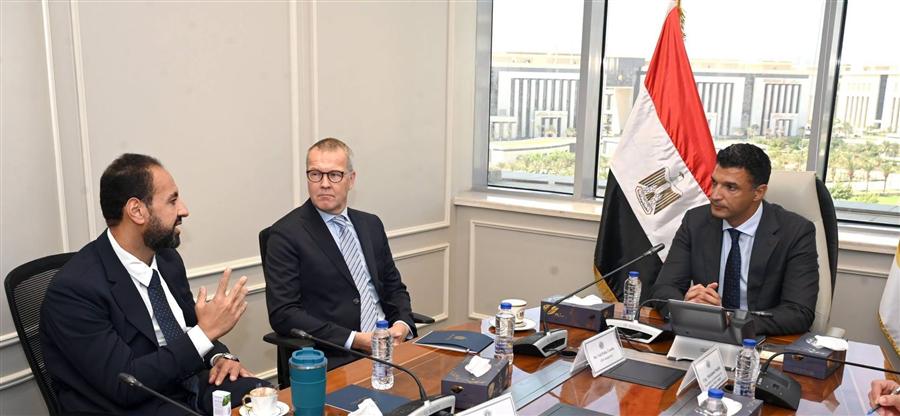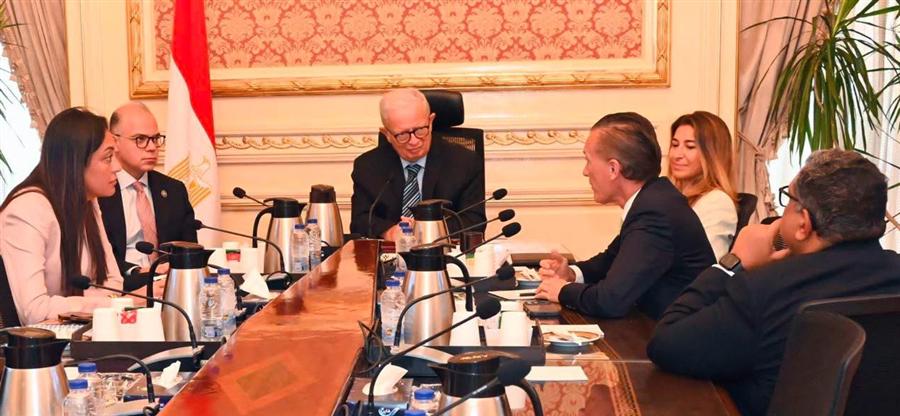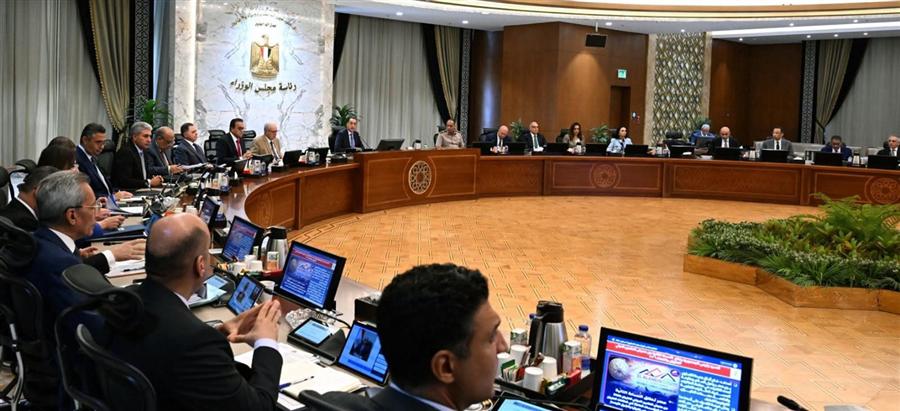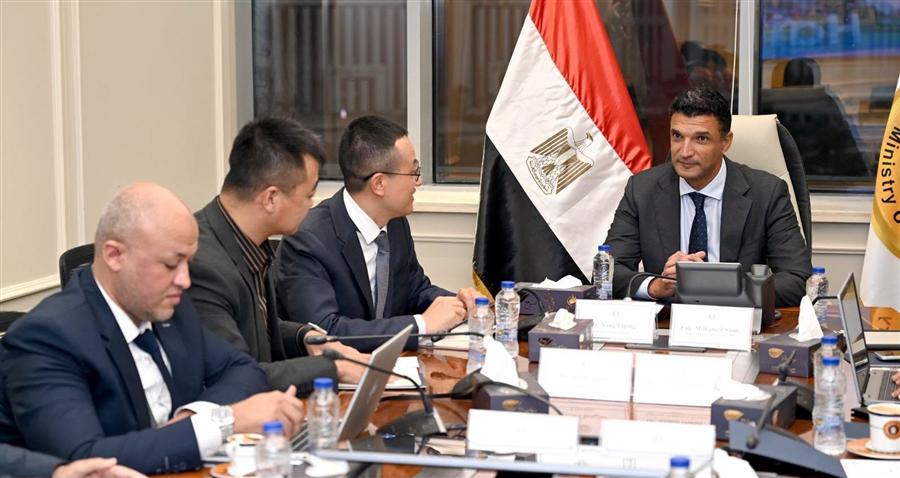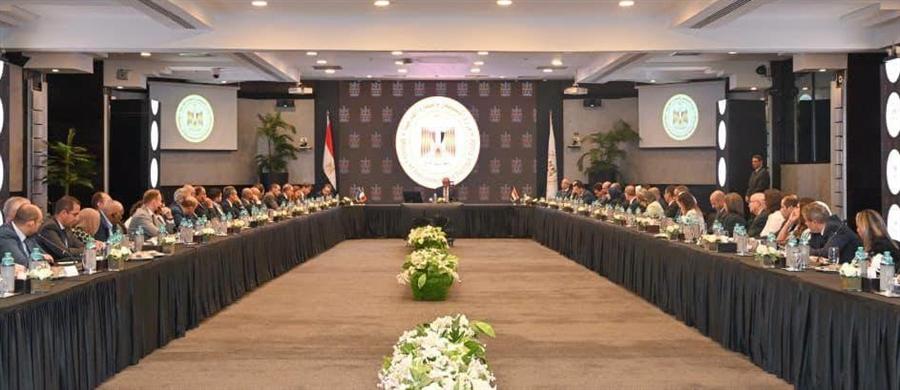
Arab Finance: Egypt’s Minister of Investment and Foreign Trade Mohamed Farid convened a high-level meeting with executives from 22 major French companies operating in Egypt to review their expansion plans, address operational challenges, and discuss proposed investments, as per a statement.
Attended by French Ambassador to Cairo Eric Chevallier, the meeting underscored the deeply rooted economic partnership between the two nations.
The meeting comes as France stands as Egypt’s largest European investor outside the oil and gas sectors, having channeled $8.5 billion in cumulative investments over the past 20 years, with an outstanding investment balance of $1.56 billion as of June 2025. This robust economic footprint is anchored by more than 200 French companies actively operating in Egypt, alongside French investors holding stakes in over 900 Egyptian enterprises.
To sustain this momentum, Farid emphasized that the government views French companies as strategic development partners. He noted that the ministry is implementing an integrated program for institutional and legislative reforms to simplify company incorporation, capital increases, shareholder agreements, and convertible bond procedures, improving the investment climate.
Furthermore, the ministry is developing its foreign trade systems, updating export support programs to boost competitiveness, and building comprehensive databases of foreign investments and local suppliers.
During the roundtable, major French players in telecommunications, banking, and technology shared significant milestones and future roadmaps. Orange Egypt highlighted a landmark transaction this year to acquire additional frequencies, signaling its commitment to infrastructure growth, while actively expanding its base station network to support a wider 5G rollout.
In the banking sector, Crédit Agricole Egypt detailed plans to scale operations following its acquisition of a consumer finance company and urged regulators to simplify and accelerate approvals for mergers and acquisitions.
Meanwhile, Valeo Egypt highlighted its expanding research and development hub, which employs over 3,000 Egyptian engineers, and advocated for more flexible export support programs for technology services based on value-add rather than strict employee headcounts.
On the energy and utilities front, corporate leaders called for regulatory efficiency and closer coordination with state priorities. TotalEnergies Egypt raised concerns regarding the lengthy, multi-permit approval process required to establish new fuel stations, prompting Minister Farid to direct the company to submit a detailed memorandum to help expedite timelines with relevant authorities.
In the renewable sector, EDF Power Solutions expressed strong interest in participating in Egypt's burgeoning green energy generation and storage projects. To align these corporate plans with national priorities, Air Liquide emphasized the importance of regular updates on the state’s priority sectors for foreign direct investment, which Farid promised would be addressed through periodic investor meetings.
Industrial and manufacturing firms showcased substantial investments geared toward localizing supply chains. Saint-Gobain Egypt revealed it has invested €250 million since mid-2023, including a €161 million flat glass production facility serving the automotive and solar energy sectors.
Similarly, Alstom Egypt continues to execute its investment roadmap, which features the establishment of an industrial complex in Borg El Arab City and a railway components factory. Both Saint-Gobain and Alstom requested access to a localized supplier database to better integrate Egyptian companies into their global supply chains.
Furthering this localization trend, Bel Egypt and Northeast Africa showcased its success in sourcing 90% of its packaging materials locally, aiming for 100% within two years, while exporting 80% of its production from Egypt to 19 regional markets.
Transport, logistics, and quality assurance sectors also outlined critical expansions. RATP Dev, operator of Cairo Metro Line 3 and the light rail transit system, announced plans to transform Egypt into its regional talent and expertise hub while localizing the production of key transit spare parts.
In cargo and shipping, CMA CGM reviewed its extensive logistics footprint, including its roles at the Tahya Misr terminal, the Red Sea Container Terminal, and the October Dry Port, while proposing that dry ports be treated similarly to seaports for final customs clearance to lower costs and delays.
Supporting this industrial rise, Bureau Veritas reported that rising demand for its testing, inspection, and certification services directly reflects a broader trend of Egyptian exporters upgrading their compliance to meet stringent European and international standards.
At the end of the meeting, Farid emphasized that the ministry would follow up on the proposals raised during the meeting through joint working groups with relevant authorities, prioritizing issues that can be resolved in the short term while continuing legislative and procedural reforms to strengthen Egypt's position as a regional investment, production, and export hub.