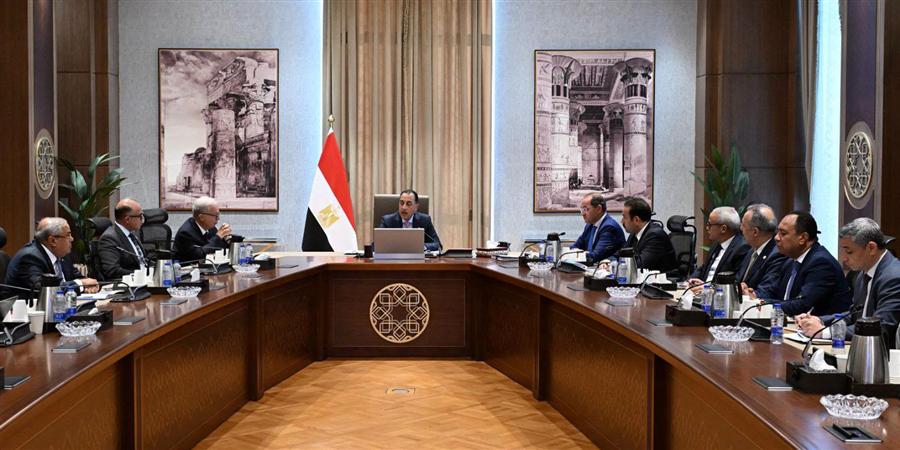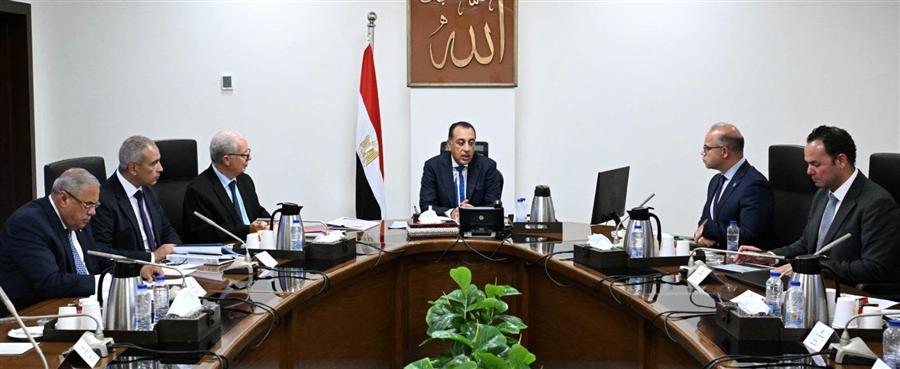
Arab Finance: Prime Minister Mostafa Madbouly reviewed proposals to transfer ownership of several state-owned holding companies and their subsidiaries as part of the implementation of Egypt's second State Ownership Policy Document 2026-2030, according to a statement.
During a meeting attended by senior government officials, Madbouly said the government continues to implement a comprehensive package of economic and institutional reforms to support economic growth, improve the business environment, attract more domestic and foreign investment, and simplify procedures for investors.
He added that the government is continuing efforts to improve the management of state assets and expand the role of the private sector as a key partner in Egypt's economic development.
These efforts align with the objectives of the second State Ownership Policy Document 2026-2030, which seeks to restructure and improve the performance of state-owned companies, strengthen professional asset management, and reinforce governance and transparency to maximize returns from public assets and help reduce public debt.
Madbouly also said the government continues to monitor the performance indicators and reform plans of state-owned companies while moving ahead with its state exit program, reaffirming its commitment to broadening private-sector participation across economic activities.
The discussions also highlighted the need to maximize the economic value of land attached to several state-owned companies by preparing investment-ready opportunities for investors and making better use of underutilized assets.
Officials stressed the importance of compiling a comprehensive inventory of these assets and identifying their most suitable uses through existing government asset databases.
The meeting further emphasized that any redistribution or transfer of oversight for public business sector companies forms part of an integrated strategy to improve the management of public assets and increase their economic returns.
Officials said the proposals would not affect ongoing operations, development plans, projects under implementation, productivity improvement programs, or the normal operation of the companies.