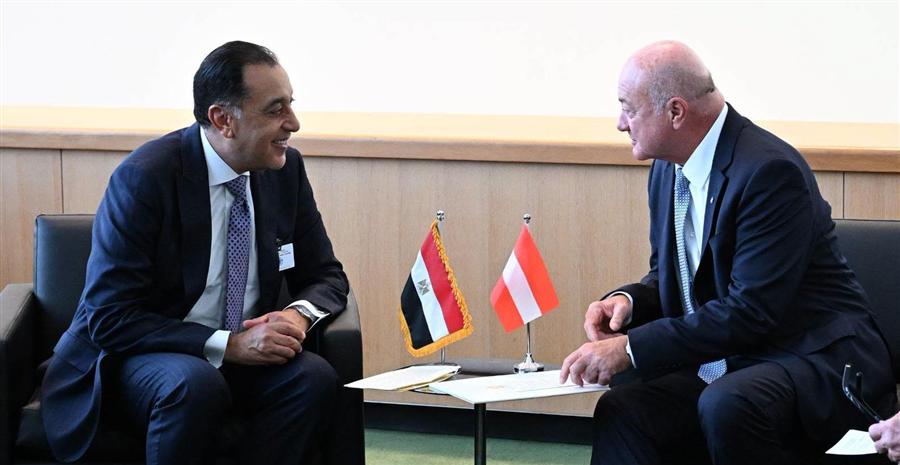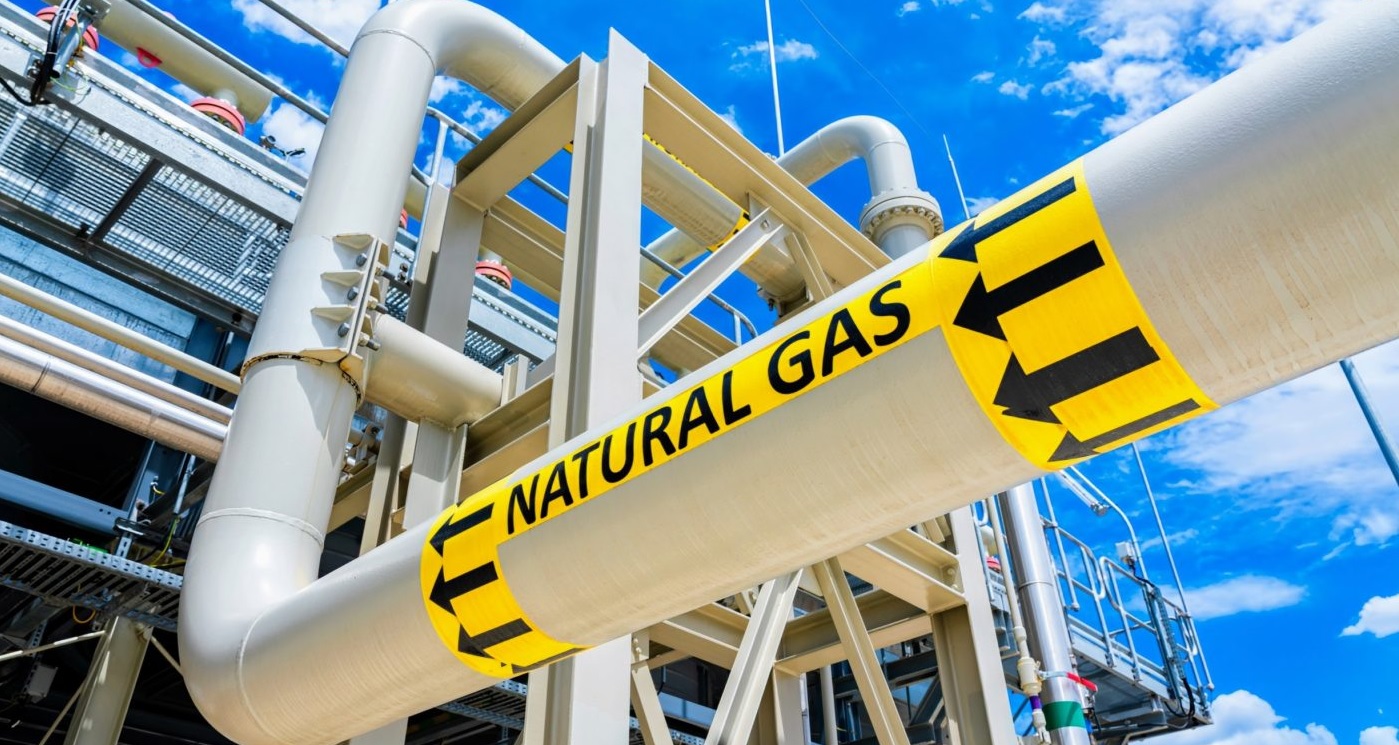
Arab Finance: Prime Minister Mostafa Madbouly has issued a new decree setting the sale prices of natural gas supplied to certain industrial activities and the petrochemicals sector, according to the official gazette.
The decree No. 1306 of 2026 was published on April 30th, following a review of relevant laws governing the industrial sector and gas market, as well as recommendations from a committee tasked with reassessing gas pricing for various industrial activities.
Under the decree, prices for natural gas used in the petrochemicals industry to produce ethane-propane mix will be reviewed on a monthly basis by the competent authorities at the petroleum ministry, in coordination with relevant authorities.
The decision also maintains certain pricing provisions stipulated in previous decrees, while cancelling Prime Ministerial decree No. 3285 of 2025 and any provisions that contradict the new rules.
The decree took effect on Friday, May 1st, and mandates all relevant authorities to implement its provisions.
The revised rates set gas for cement factories at $14 per million British thermal units (MMBtu), and $7.75 for iron, steel, non-nitrogen fertilizer, and petrochemicals.
Other industrial activities and selected petrochemical plants that produce ethane and propane will be charged between $6.50 and $6.75 per MMBtu.
The move comes as part of ongoing adjustments to energy pricing policy amid rising global costs due to tensions in the Middle East and the closure of the Strait of Hormuz.
In March, the Ministry of Petroleum and Mineral Resources decided to raise fuel prices by around EGP 3 per liter.
Madbouly explained back then that the hikes are a proactive measure to ensure the continuous operations of the Egyptian economy and production, further announcing plans to cut fuel allocations for government vehicles by 30% and pause major ongoing projects that consume high levels of fuel and diesel for at least two months.
As part of a broader effort to reduce energy consumption, the government introduced a one-day-a-week remote work system for employees in both the public and private sectors, starting April 5th. Later on, the decision was extended throughout May 2026.