Arab Finance: Egypt is advancing eight industrial projects to maximize the value of its phosphate resources, including the first phase of the Abu Tartour phosphoric acid complex, which has investments of $650 million, Petroleum and Mineral Resources Minister Karim Badawi said.
During his speech at the fifth edition of the Egypt Mining Forum, Badawi noted that production at the Abu Tartour project is scheduled to begin in 2028, while other projects are being developed to produce phosphate fertilizers in partnership with Egyptian and international investors.
The projects come as part of Egypt’s efforts to expand mineral processing, increase value-added output, and raise the mining sector’s contribution to gross domestic product (GDP) to around 6% in the coming period, the minister added.
Badawi addressed the launch of Egypt’s new “open area” system for offering mining blocks on June 10. During its first three months, 119 companies submitted applications, including more than 14 foreign firms from Australia, the UK, Canada, Saudi Arabia, Turkey, South Africa, India, and China.
The companies submitted 403 bids for 118 of the 335 blocks offered, covering around 45,000 square kilometers and containing potential deposits of gold, phosphate, talc, kaolin, and other minerals.
The minister also cited the Sukari Mine as an example of Egypt’s mineral potential, with cumulative production reaching 6.8 million ounces since operations began in June 2009.
On regulatory reforms, he touched upon transforming the Egyptian Mineral Resources Authority (EMRA) into the Mineral Resources and Mining Industries Authority as an economic entity.
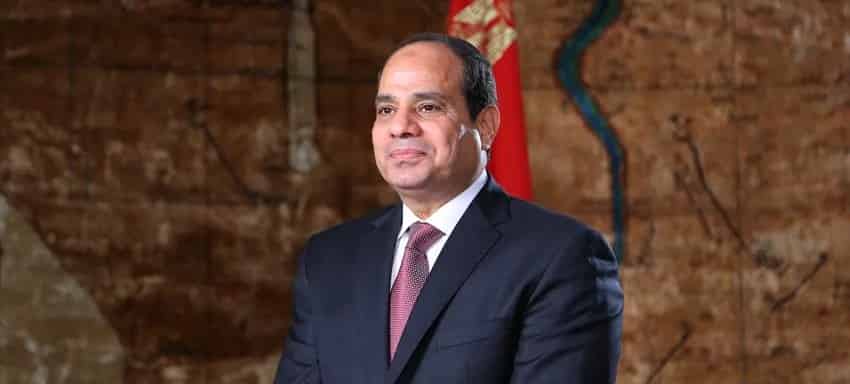
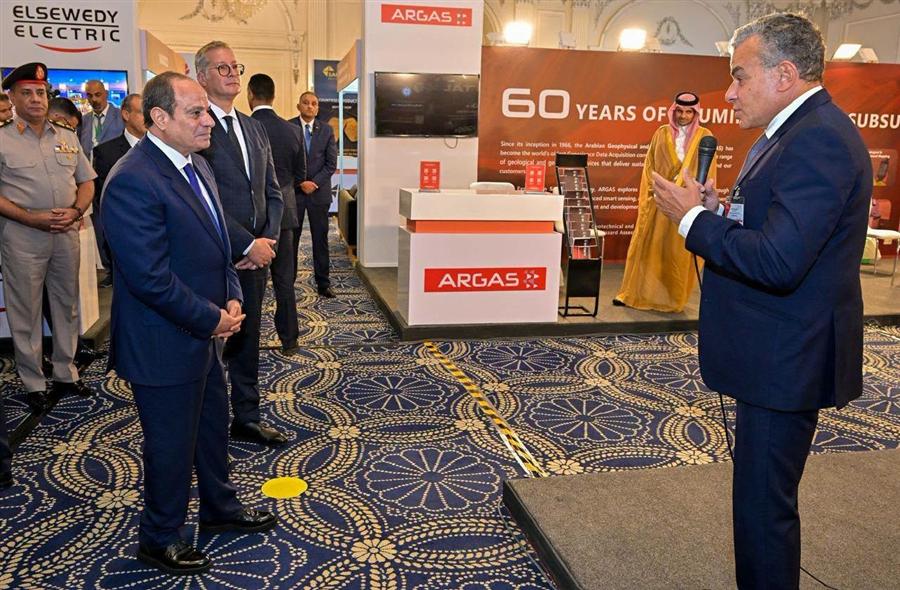
President Abdel Fattah El-Sisi attended the opening of the Egypt Mining Forum 2026 event, which is taking place on September 28 and 29 in the New Capital. The results of mining investment opportunities offered in June for gold, phosphate, talc, and kaolin exploration under an open-sector system will also be announced at the two-day event.