Arab Finance: Egypt and Germany discussed expanding cooperation in renewable energy and electricity infrastructure, including debt-swap agreements to finance power substations and grid-connection projects, according to a statement from the Ministry of Electricity and Renewable Energy.
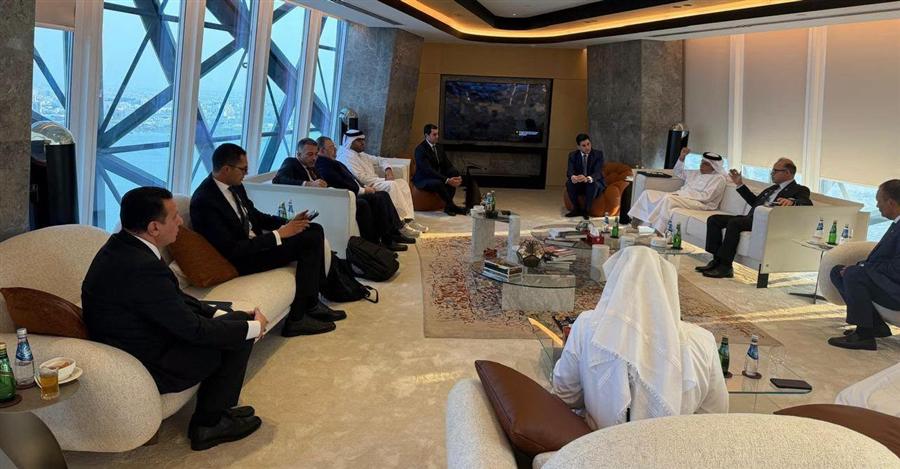
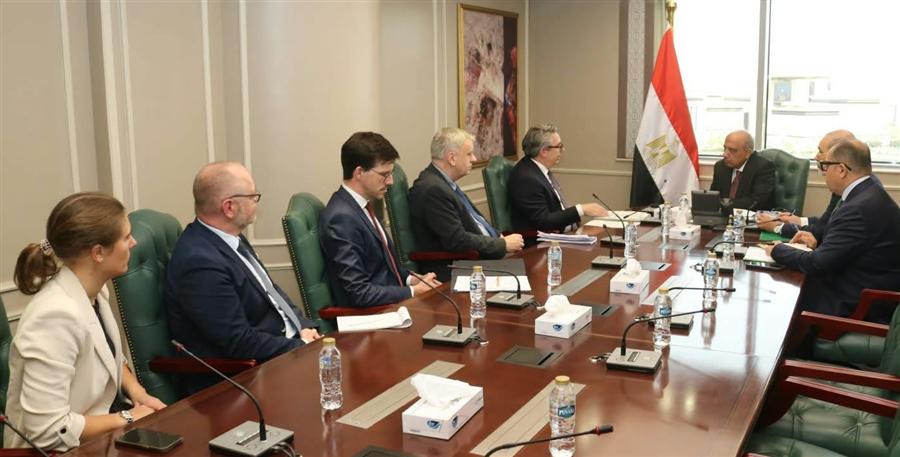
This came as Minister of Electricity Mahmoud Esmat met with Stefan Rouenhoff, Parliamentary State Secretary at Germany’s Federal Ministry for Economic Affairs and Energy, and his accompanying delegation.
Discussions covered existing and potential joint projects, including debt-swap arrangements to finance substations and electricity transmission lines under Egypt’s Nexus on Water, Food and Energy (NWFE) program. These projects aim to strengthen the national grid and enable it to accommodate additional renewable energy capacity.
The two sides also reviewed progress following government consultations held in Berlin last November, which included financing for grid reinforcement and connections to renewable energy plants involving a €17.5 million grant and a €50 million debt swap to support carbon emissions reductions, environmental protection, the transition to clean energy, and international climate goals.
Beyond transmission infrastructure, the meeting addressed financing for the second phase of a hydropower plant rehabilitation project to improve clean energy supplies. The work includes increasing transformer capacity at the High Dam power station and upgrading the Aswan I and II stations to improve generating units’ performance and extend their operating lives.
The officials also considered funding a center to manage distributed renewable energy resources. Discussions also covered expanding storage capacity through high-efficiency batteries to make better use of renewable generation, alongside transmission network improvements to accommodate substantial new capacity while maintaining grid stability.
To support the ministry’s renewable energy expansion plans, the two sides emphasized greater cooperation and encouraged German companies to invest in projects, including conducting wind speed measurements at prospective wind farm sites.
Esmat highlighted the longstanding relationship between Egypt and Germany and their cooperation in electricity and renewable energy. He outlined efforts to transform Egypt’s conventional electricity network into a smart grid while continuing to develop its infrastructure and capabilities.
He explained that diversifying generation sources and increasing reliance on renewables are central to the national energy strategy, which targets a 45% renewable energy share in the energy mix by 2028. The ministry is working to secure sustainable, clean, and affordable energy supplies while reducing conventional fuel consumption and carbon emissions, he added.
Turning to implementation, Esmat highlighted the private sector’s leading role in renewable energy development and the solar and wind projects currently underway. He welcomed further partnerships that draw on private companies’ technical and technological expertise to advance the state’s energy plans and safeguard energy security.