Arab Finance: Egypt’s fiscal year (FY) 2026/2027 budget prioritizes health and education spending alongside tax reforms and private sector support, as the government targets improved public services and economic growth, according to the Ministry of Finance.
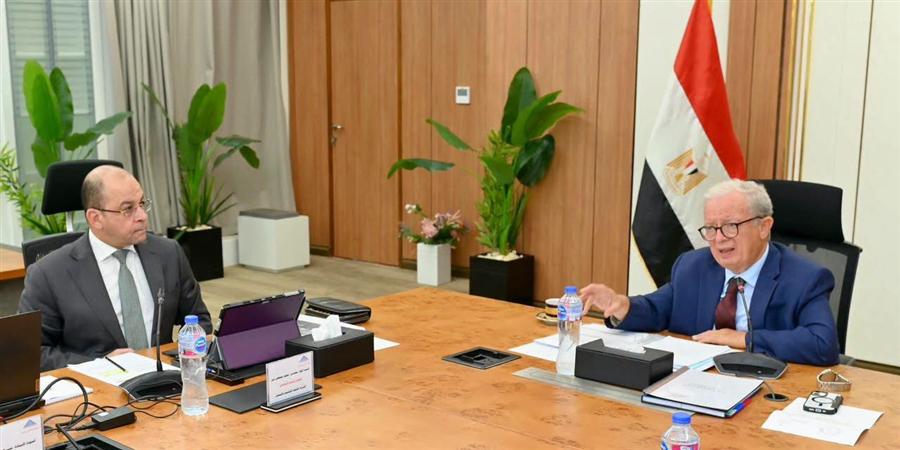
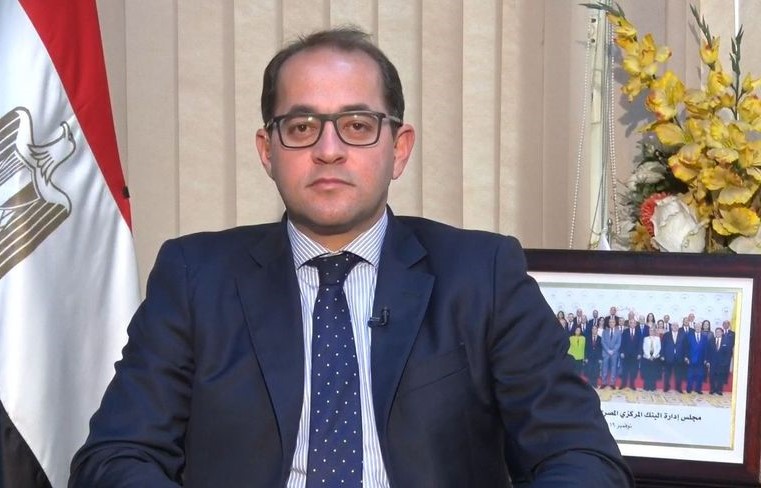
Minister of Finance, Ahmed Kouchouk, said the new budget allocates increased funding to human development sectors, with the health budget rising by 30% and the education budget by 20%, compared to an overall expenditure growth of around 13.2%.
Kouchouk said EGP 47.5 billion has been allocated for state-funded treatment, health insurance, and medicines, marking a 69% annual increase, alongside EGP 90.5 billion for the Unified Procurement Authority to supply medical equipment and pharmaceuticals. Additional allocations have also been directed toward implementing the Universal Health Insurance Project in Minya Governorate.
In education, the budget includes EGP 7.8 billion for printing pre-university textbooks and EGP 7 billion for school meals, as part of broader efforts to enhance service quality and infrastructure across governorates.
The minister said the government is coordinating with the Ministries of Health and Education on advanced programs aimed at improving service delivery, while directing more investments toward upgrading infrastructure in both sectors.
On the fiscal side, Kouchouk said public revenues are projected at EGP 4 trillion, up 27.6%, while expenditures are expected to reach EGP 5.1 trillion, reflecting a 13.2% increase.
The minister said the government will continue implementing tax, real estate, and customs facilitation packages to reduce burdens on citizens and investors, while aiming to increase tax revenues by 27% through voluntary compliance without imposing additional obligations. Authorities are targeting the inclusion of 100,000 new taxpayers into the simplified tax system, supported by incentives and improved services, including specialized tax centers and a new tax excellence card for compliant taxpayers.
Kouchouk noted that the budget also aims to enhance investment opportunities and strengthen partnerships with the private sector, targeting economic growth of 5.4%. Allocations include EGP 90 billion to support economic activity, production, manufacturing, entrepreneurship, and exports, and EGP 48 billion to reimburse export burdens and support exporters in accessing global markets.
Additional funding includes EGP 6.7 billion to support the tourism sector and expand hotel capacity, EGP 6 billion in financing facilities for productive sectors, EGP 5 billion in cash incentives for small, medium, and micro enterprises and entrepreneurship, and EGP 5.5 billion to support the automotive industry, particularly environmentally friendly manufacturing. A further EGP 2 billion has been allocated to stimulate priority industries and increase production capacity.
Kouchouk said the measures aim to balance fiscal sustainability with social protection and economic expansion, while improving public service delivery and supporting long-term development.