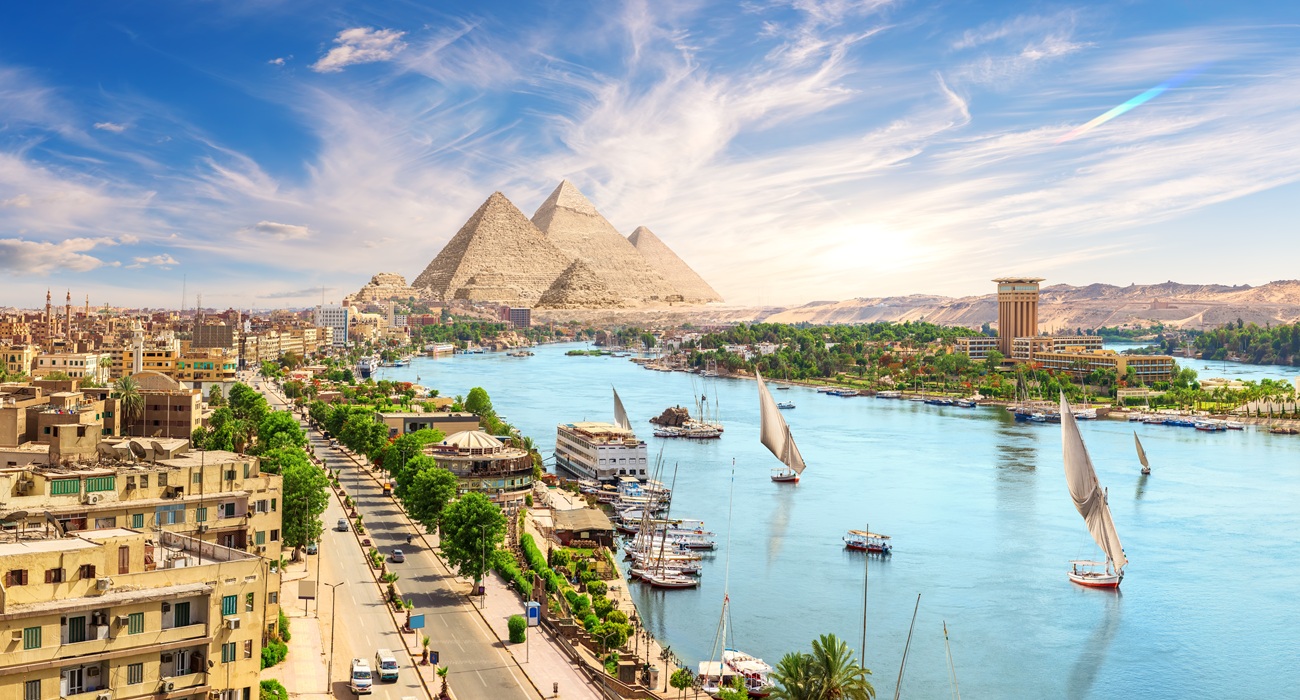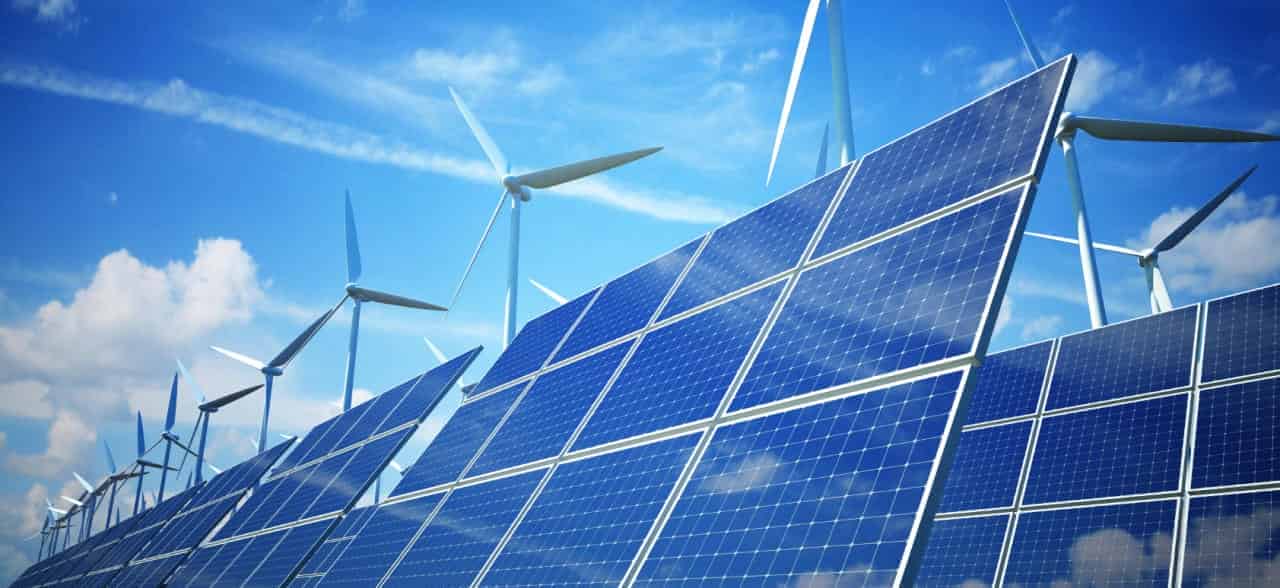
Arab Finance: Egypt ranks as the Middle East and North Africa's largest market for clean industry projects, with 25 announced developments representing $108.5 billion in potential investment, according to the Clean Industry Rising: The Foundation of Resilient Value Chains report by the Mission Possible Partnership, supported by the Industrial Transition Accelerator and released alongside the latest Global Project Tracker.
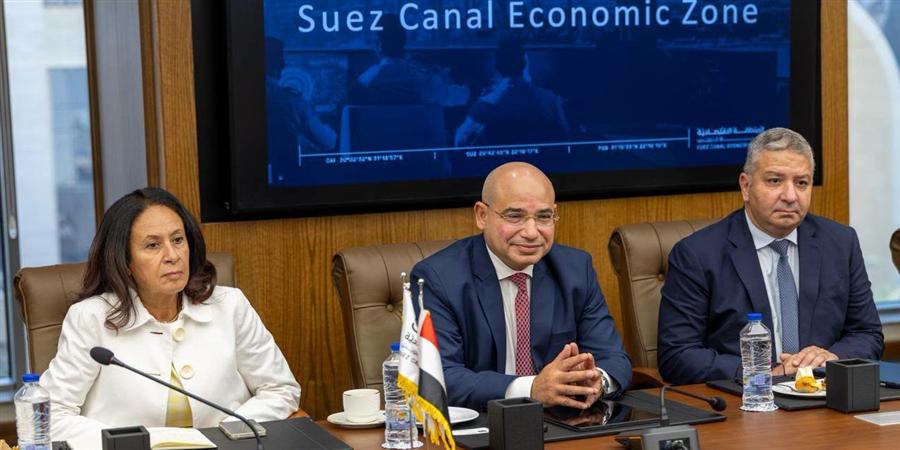
According to the report, Egypt ranks tenth globally by project count and leads the MENA region, with projects located across the Suez Canal Economic Zone (SCZONE) corridor, the Gulf of Suez coast, and Damietta. The country's pipeline forms part of a broader regional portfolio of 84 announced projects representing $642 billion in potential investment across clean fuels, fertilizers, steel, and aluminum.
The report comes as clean industry projects worldwide continue to secure financing. Over the past six months, 19 projects worth $43 billion reached final investment decision, compared with a lower number during the same period a year earlier.
It notes continued activity in lower-emissions industrial production across sectors, including aviation and shipping fuels, fertilizers, steel, and aluminum. The report says this trend comes as energy market disruptions, commodity price volatility, and trade fragmentation increase interest in more resilient industrial systems and supply chains.
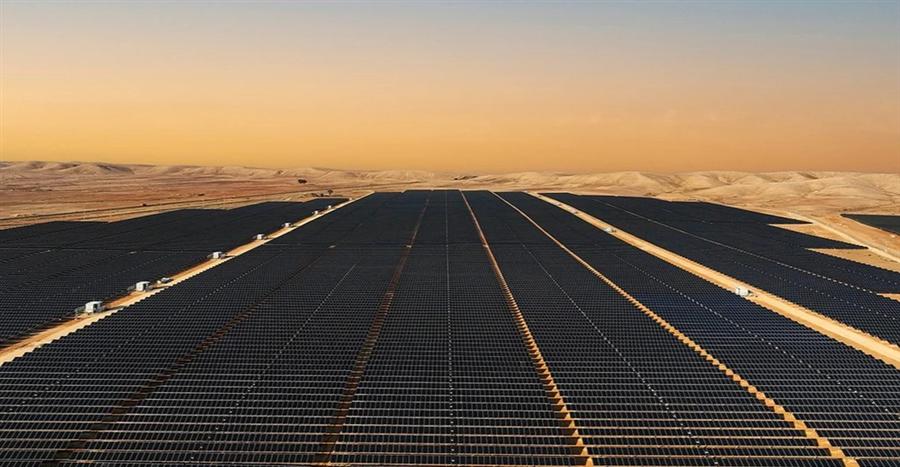
Across the MENA region, countries are taking on different roles in the clean industry pipeline. Egypt's position is supported by international interest in clean ammonia production, particularly within the SCZONE, which is attracting developers from Europe, Asia, and North America targeting export markets on both sides of the Suez Canal.
The report also highlights the role of trade partnerships in supporting industrial competitiveness. By combining renewable energy resources, industrial demand, technology, and capital, such partnerships can help countries reduce supply chain risks while providing access to new industrial markets.
Elsewhere in the region, Saudi Arabia's NEOM Green Hydrogen Project brings together technology providers, sovereign investors, and buyers under a model aimed at supporting exports of clean industrial commodities.
The report states that the economic impact of clean industry investments extends beyond individual facilities. Projects reaching final investment decision can generate demand across related activities, including renewable power generation, clean technology manufacturing, infrastructure development, logistics services, and downstream industrial production.
For Egypt and the wider MENA region, opportunities include project development, clean technology procurement, logistics infrastructure, and downstream manufacturing, sectors that could participate in developing clean industry supply chains.
The report identifies three priorities for supporting further progress: strengthening demand for clean products, developing trade and commercial partnerships that connect clean technology providers and low-cost clean energy producers with industrial demand centers, and increasing the availability of public and private financing to reduce risks associated with early-stage projects.