Egypt’s summer economy is not a single, uniform market but a fragmented system shaped by geography, lifestyle, and consumer behavior. According to Platformance’s Summer Egypt 2026 report, the season represents one of the country’s largest windows of concentrated consumer attention. Yet, it unfolds across three distinct ecosystems: the coastal economy, the urban economy, and the dual economy. Each operates with its own rhythm of spending, media engagement, and commercial opportunity.
Treating summer as a monolithic market risks misaligned strategies, as campaigns designed for one ecosystem consistently underperform in the others. Understanding these differences is essential for businesses seeking effective segmentation and for policymakers tasked with managing seasonal pressures on infrastructure and growth.
Coastal Economy
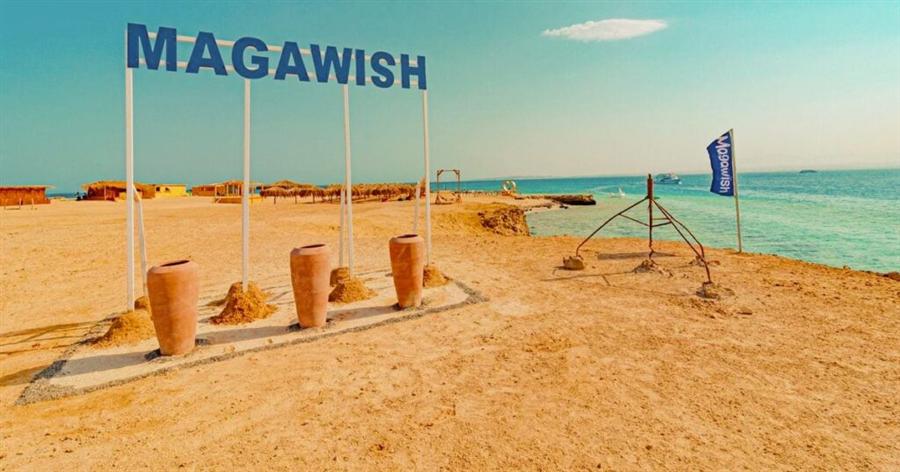
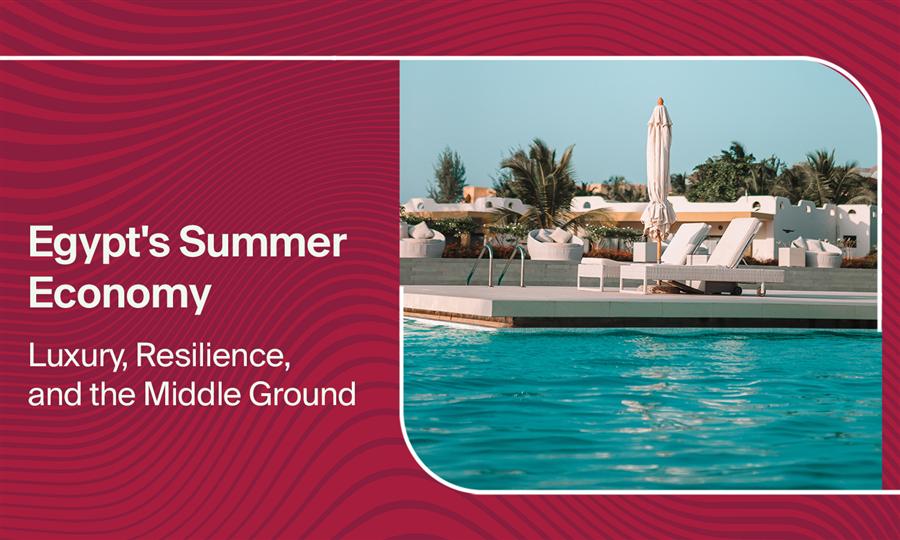
The North Coast has evolved beyond being just a seasonal retreat; instead, it has become a lifestyle destination. Shymaa Elkordi, a specialist in tourism training, destination marketing, and tourism relations, says, “The North Coast has evolved far beyond being just a summer destination; it has become a lifestyle destination.”
“In recent years, we have observed a growing segment of consumers who prioritize premium experiences. Luxury hotels, private villas, beach clubs, fine dining, and exclusive events now define its appeal,” she adds.
According to Elkordi, “Social media platforms such as Instagram and TikTok have significantly influenced travel behavior. Today, many travelers seek experiences that are not only enjoyable but also visually shareable, making travel an extension of their personal identity and lifestyle. This has increased demand for destinations that offer unique, high-end experiences.”
In line with this, advertising strategies here are sharply segmented. “For North Coast campaigns, the focus is on lifestyle, emotion, and aspiration. Advertisements highlight beachfront locations, entertainment, nightlife, premium hospitality, and VIP experiences,” Elkordi says. “They also emphasize whether a destination is designed for young travelers, couples, or families, as audience segmentation has become increasingly important in tourism marketing.”
Platformance reinforces this trend, highlighting that the North Coast economy is heavily shaped by social media platforms, with Instagram and TikTok driving demand for visually shareable experiences. This aligns with Elkordi’s observation that luxury and exclusivity dominate consumer choices. The report also confirms that platform usage differs sharply across Egypt’s summer economies, with coastal audiences showing higher engagement on Instagram and TikTok than urban consumers.
At the same time, Elkordi adds: “The market has become increasingly segmented. While one group is willing to spend considerably on luxury, exclusivity, and personalized experiences, another remains focused on maximizing value for money. Rather than simply choosing the cheapest option, these travelers carefully balance quality, experience, and budget. This diversity reflects a broader transformation in Egypt's consumer landscape.”
Urban Economy
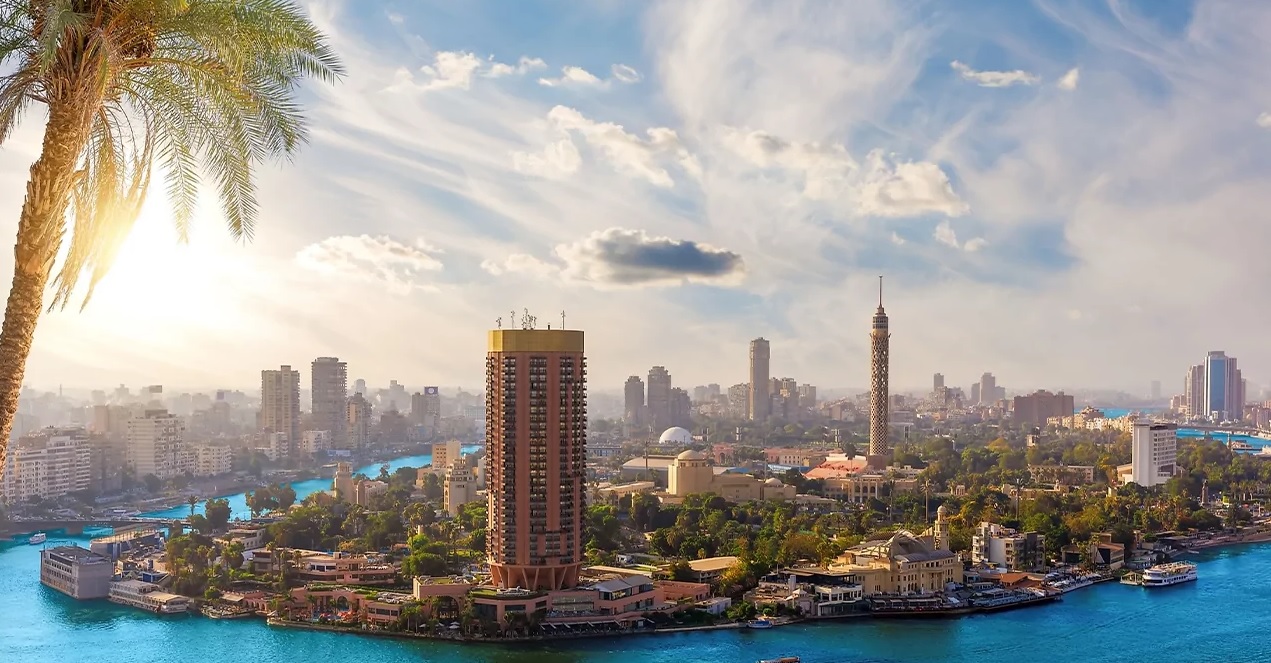
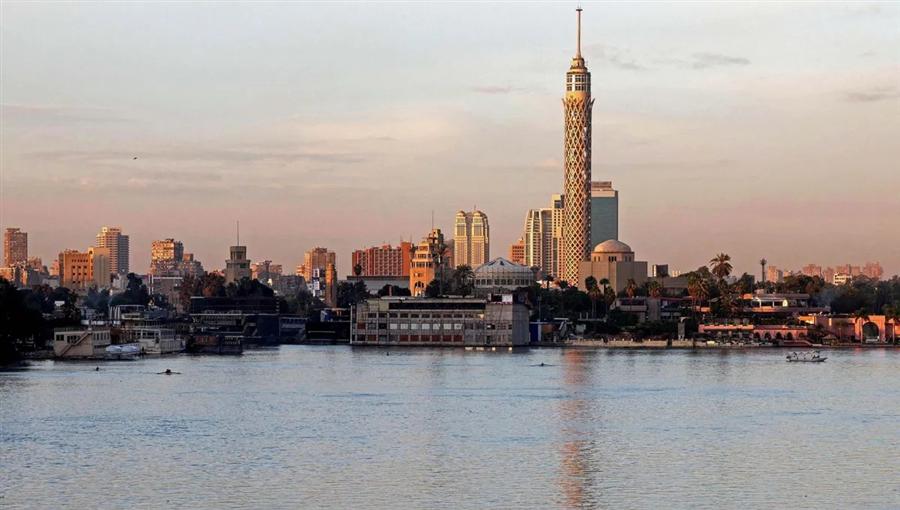
In contrast, the summer economy in Cairo and other urban governorates is defined by what Ehab Younis, Professor and Head of Economics Department at El Shorouk Academy, describes as the “retention economy.” He explains that the continued presence of millions of residents and expatriates during summer becomes “a vital economic engine, reshaping consumption patterns, while simultaneously subjecting the capital's infrastructure to an extremely complex annual stress test.”
Consequently, spending patterns reflect adaptation to heat. The nighttime economy flourishes as consumers reschedule activity from sunset to dawn, revitalizing restaurants, cafés, malls, and delivery services. Utility bills surge as households rely on air conditioning, while delivery demand rises as families prefer convenience over braving the heat.
“As a result of the sharp rise in daytime temperatures, the Cairo consumer reschedules their activity to extend from sunset until the early hours of dawn,” Younis notes. “This ‘nighttime growth’ revitalizes the hospitality, restaurant, café, and air-conditioned shopping mall sectors, in addition to the enormous boom in the smart transportation and delivery sectors.”
Younis also elaborates: “The spending of residents who do not leave Cairo during the summer contributes to providing a real safety net for the local economy, preventing the specter of seasonal stagnation through innovative consumption channels.”
This shift is evident in the household budget. “Somehow, the summer heat affects the utility bill; it sort of doubles because of the use of air conditioners or fans,” Sahar, a Cairo resident, says. “Delivery fees also increase because the demand for delivery increases.”
Similarly, Hassan, a 36-year-old breadwinner, says: “As for delivery fees, there is not much difference between summer and winter, but delivery workers struggle in the heat, of course. Regarding electricity and water costs, unfortunately, they rise in the summer due to higher prices and increased consumption.”
Building on this, Younis also stresses: “Citizens direct a significant portion of their savings towards adapting their living environments. This translates into a surge in sales of cooling equipment, maintenance and technical support services, as well as increased consumption in retail and e-commerce to avoid the hassle of in-person shopping.”
The Hybrid Market
Meanwhile, hybrid cities such as Alexandria and Ras El Bar represent a middle ground. Here, middle-class tourism thrives through affordable family outings, mid-range hotels, and cultural attractions. Local commerce benefits from seasonal visitors who boost restaurants, transport, and small businesses. Platformance identifies Alexandria as a distinct summer economy with its own commercial logic, where mid-range tourism and cultural attractions sustain local commerce.
This ecosystem blends heritage tourism with modern leisure. Families seek to balance affordability with experience, often opting for nearby destinations. Hassan, a Cairo breadwinner, explained: “There are nearby places like Fayoum that can be visited in the same day, or even Ain Sokhna or Fayed, since they are close and do not require accommodation.”
Sahar adds a personal perspective: “Staying in a coastal area or resort definitely affects the amount of money we spend. Our expenses more than triple because all services have to be paid for; going to the beach, eating, drinking, and even getting these simple things like groceries cost a lot of money.”
Thus, spending patterns are more restrained than in coastal luxury markets, but they remain vital for sustaining small businesses and regional tourism. Suzan, a 35-year-old mother, says: “I love Alexandia. The city feels alive. When we visit, I enjoy the coastal weather while at the same time I can buy my everyday needs at normal prices that are not exaggerated.”
Resilience and Infrastructure
Taken together, Egypt’s summer economy is not a single entity but a fragmented system. Coastal migration drives tourism investment booms, while Cairo’s retention economy sustains commercial activity and tests infrastructure resilience. Dual economies offer hybrid opportunities for middle-class tourism and local commerce.
For businesses, segmentation is critical. “Successful tourism marketing today is no longer about promoting a destination alone; it is about delivering the right message to the right audience,” Elkordi emphasizes. “For value-conscious and middle-income audiences, communication shifts toward affordability and flexibility. Campaigns focus on special offers, installment plans, family packages, and the overall value customers receive for their spending. The objective is to reassure travelers that they can still enjoy a memorable summer holiday while staying within their planned budget.”
For policymakers, the challenge lies in enhancing infrastructure resilience to withstand seasonal heat stress while leveraging the diversity of consumer behavior to sustain growth. Younis points out that “the consumption associated with coping with the heat places unprecedented pressure on urban infrastructure, requiring flexible management strategies to overcome these challenges.”
He concludes: “Understanding these dynamics reveals that Egypt's summer economy is not a monolithic entity but rather a dual system requiring innovative planning policies. While coastal migration drives a major tourism investment boom, Cairo's resistance economy remains the true valve for sustaining commercial activity and protecting the retail and service sectors from complete stagnation.”
Ultimately, Egypt’s summer economy is best understood not as a single market but as a mosaic of distinct consumer ecosystems, each with its own commercial logic and pressures. The coastal economy thrives on luxury, exclusivity, and social-media visibility. The urban economy sustains Cairo through nighttime consumption and infrastructure adaptation, while the dual economy offers affordable tourism and local commerce for middle-class families. Together, they form a dynamic seasonal cycle that reshapes spending, media behavior, and policy challenges.
By Sarah Samir