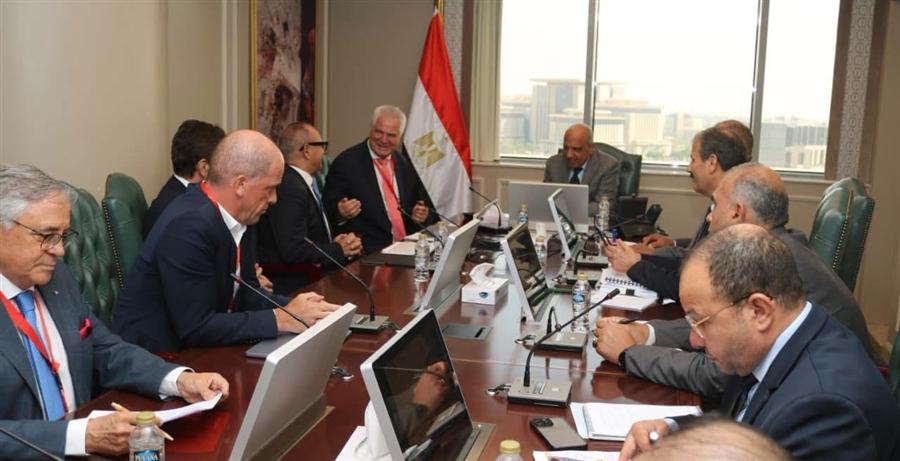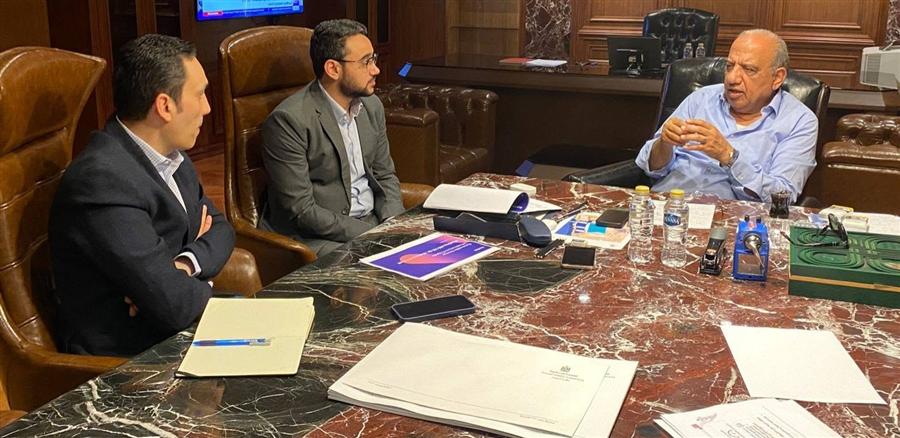
Arab Finance: Minister of Electricity and Renewable Energy Mahmoud Esmat reviewed the progress of renewable energy projects being developed by Norway-based energy company Scatec, including solar and wind projects with a combined capacity of 3.6 gigawatts (GW) and battery energy storage projects totaling 4.2 gigawatt-hours (GWh), as per a statement.
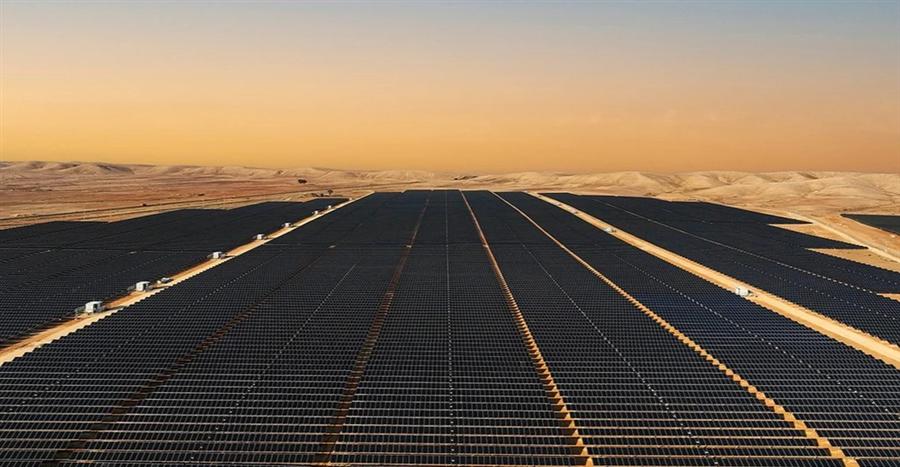
The meeting reviewed the operation of the first phase of the Obelisk solar power project, which includes a 500-megawatt (MW) solar plant and a 200-megawatt-hour (MWh) battery energy storage facility, both of which were connected to the national grid earlier this year.
Officials also discussed progress on the project’s second 500 MW phase, which is scheduled to be connected to the grid in the coming weeks as part of plans to add new renewable energy capacity during the summer.
Esmat reviewed implementation timelines for Scatec’s renewable energy and battery storage projects, including solar and wind developments totaling 3.1 GW and battery storage projects with a combined capacity of 4,000 MWh across the governorates of the Red Sea, Qena, Minya, and Alexandria.
The projects include the second phase of the 500 MW Obelisk solar power plant in Naga Hammadi, a 900 MW wind power project in Ras Shukeir scheduled for grid connection in 2027, and a 1.7 GW solar power project in Minya Governorate. The portfolio also includes several grid-connected and standalone battery energy storage facilities in Minya, Alexandria, and Qena.
The meeting further reviewed progress on the construction of a battery energy storage manufacturing facility, expected to be completed next year, with planned investments of approximately $1.8 billion.
Esmat praised the ministry’s cooperation with Scatec, highlighting the company’s experience in developing and implementing renewable energy projects globally. He said expanding battery storage systems remains a key component of Egypt’s renewable energy strategy, helping maximize the value of solar and wind generation while supporting grid stability and managing peak demand.
The minister reiterated that the private sector remains a central partner in implementing the electricity sector’s strategy and said the government is committed to removing obstacles that could hinder private investment in renewable energy projects.
According to Esmat, the ministry continues to conduct regular reviews of renewable energy projects in both construction and operational phases to ensure adherence to implementation schedules and planned grid connection dates.
He said Egypt’s national energy strategy aims to increase the share of renewable energy in the country’s electricity mix to 45% by 2028, up from a previous target of 42% by 2030, through accelerating existing projects and introducing new clean energy capacity.
Esmat also emphasized the parallel expansion and modernization of the national electricity grid to improve its flexibility and ability to accommodate additional renewable energy generation.
He added that energy storage systems play an increasingly important role in maximizing returns from renewable energy projects, reducing fuel consumption, enhancing grid stability, and ensuring reliable electricity supplies to support economic development and service delivery across sectors.