Arab Finance: The International Monetary Fund (IMF) has reached a staff-level agreement with Egypt on the fifth and sixth reviews under the Extended Fund Facility (EEF) and the first review under the Resilience and Sustainability Facility (RSF), the IMF announced on December 23rd.
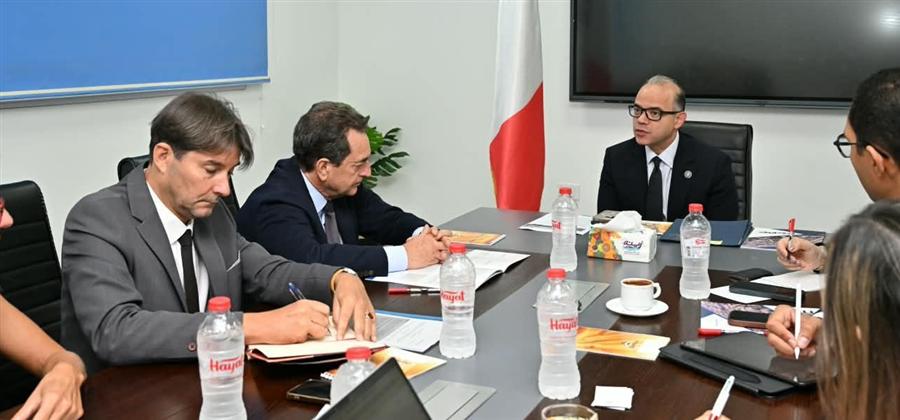
This came as a result of a visit to Cairo by an IMF mission team, led by Ivanna Vladkova Hollar, from December 1st to 11th, followed by virtual discussions with the Egyptian authorities to discuss a package of economic and financial policies.
The talks focused on policies supporting the completion of the reviews amid regional security challenges and global uncertainty.
Hollar said stabilization efforts have produced measurable results, with economic activity increasing to 4.4% in fiscal year (FY) 2024/2025, from 2.4% a FY earlier. Growth was supported by non-oil manufacturing, transportation, finance, and tourism.
Economic activity rose further to 5.3% year on year (YoY) in the first quarter (Q1) of FY 2025/2026, she added.
She also highlighted that Egypt’s balance of payments has improved despite external pressures, with a narrower current account deficit supported by remittances, tourism receipts, and growth in non-oil exports.
External financing conditions eased in 2025, with non-resident inflows into local-currency debt reaching about $30 billion and foreign currency reserves standing at $56.9 billion, she noted.
Fiscal performance remained stable, with a primary balance surplus of 3.5% of gross domestic product (GDP) in FY 2024/2025, according to Hollar.
Tax revenues increased by 36% during the previous FY and by 35% between July and November of the current FY, reflecting reforms aimed at expanding the tax base, improving compliance, and reducing exemptions, she explained.
Moreover, she noted that the tax-to-GDP ratio stood at 12.2%, indicating the need for continued efforts to strengthen revenues while maintaining targeted social spending.
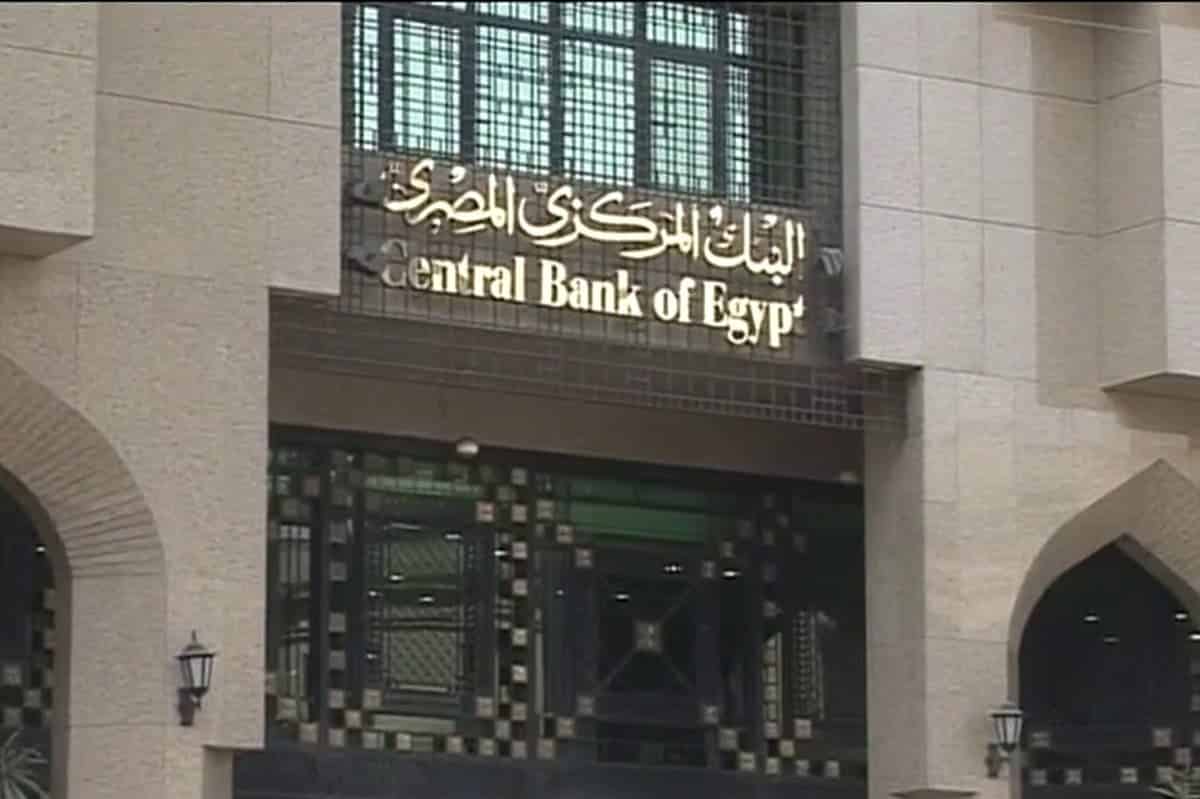
On monetary policy, the Division Chief of the Middle East and Central Asia Department at the IMF said the Central Bank of Egypt (CBE) has maintained a tight policy stance while proceeding cautiously with monetary easing to support disinflation.
Hollar also highlighted the importance of governance in the banking sector, given the significant role of state-owned banks.
Furthermore, she said the CBE is proceeding with third-party reviews to align practices with international standards, support monetary policy transmission, and encourage competition.
Egypt now faces the task of shifting toward a more sustainable growth model centered on private sector activity, as per Hollar.
The IMF team also discussed the National Narrative for Economic Development, which outlines reforms supporting competitiveness and private investment.
Progress has been made in trade facilitation and tax procedures, while further steps are needed to reduce the role of the state, advance divestment plans, and limit the expansion of state-owned enterprises, Hollar elaborated.
Reforms under the RSF are progressing, with measures already implemented on renewable energy planning and climate-related financial risk monitoring, she continued. Additional reforms under the facility are expected to be completed in the coming period.