Arab Finance: Egypt's Khalda Petroleum Company and Petrosannan Petroleum Company have signed two agreements with US-headquartered oilfield services provider National Energy Services Reunited Corporation (NESR) to expand the use of hydraulic fracturing and horizontal drilling technologies in the Western Desert, according to a statement by the Ministry of Petroleum and Mineral Resources.
The agreements cover hydraulic fracturing operations at up to 30 wells across the two companies' concession areas, including 15 to 20 wells operated by Khalda Petroleum and three to 10 wells operated by Petrosannan.
The initiative aims to increase domestic crude oil and natural gas production by improving recovery rates and accessing unconventional petroleum resources that are difficult to extract using traditional production methods.
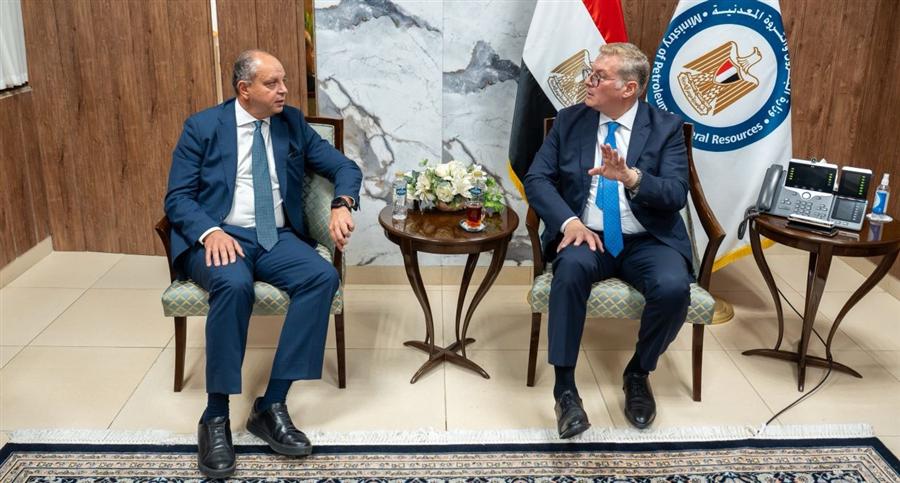
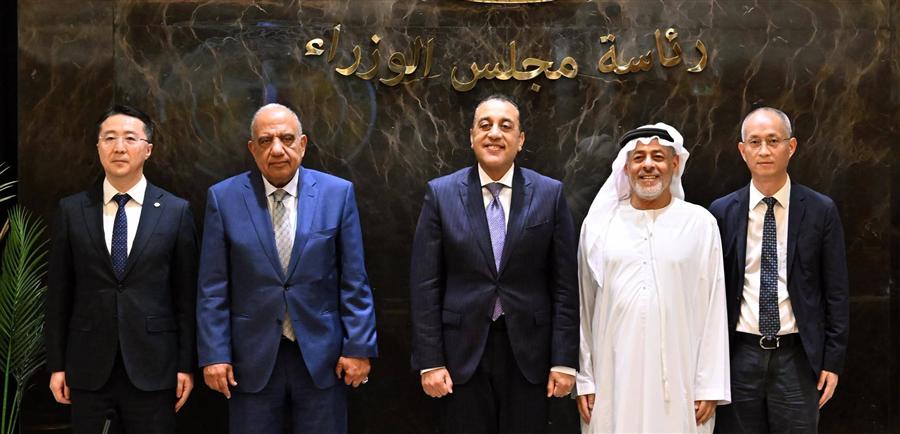
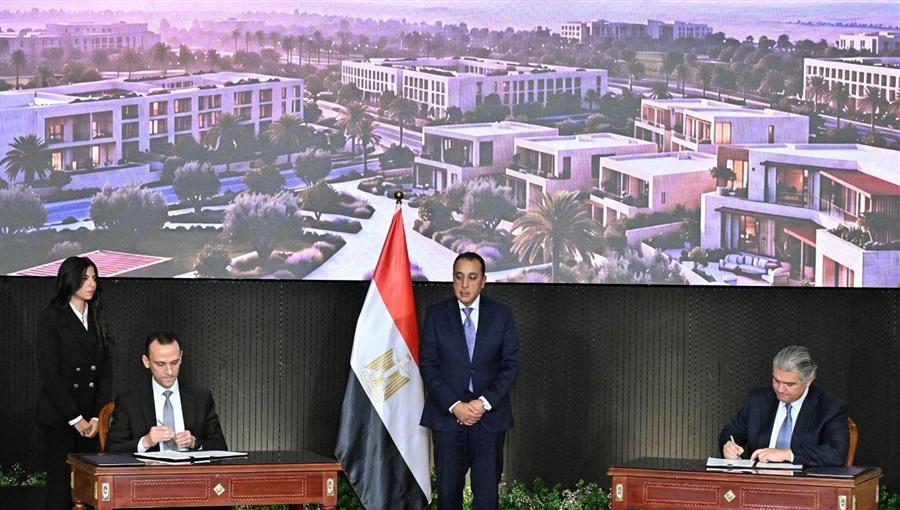
The agreements were signed by Moataz Atef, Chairman and CEO of Khalda Petroleum; Ayman El-Morshedy, Chairman of Petrosannan; and Ayman Hamam, NESR's Country Director in Egypt. The signing was witnessed by Minister of Petroleum and Mineral Resources Karim Badawi, in the presence of Salah Abdel Karim, CEO of the Egyptian General Petroleum Corporation (EGPC).
Badawi emphasized the importance of expanding hydraulic fracturing and horizontal drilling to increase production, particularly from unconventional resources trapped in geological formations that are difficult to develop through conventional extraction techniques.
He highlighted the successful application of these technologies in the United States, Canada, and Saudi Arabia, noting that Egypt is seeking to adapt international expertise to the characteristics of its reservoirs and geological formations.
To encourage wider adoption, the ministry has introduced economic incentives for investment partners, including improvements to cost-recovery mechanisms aimed at strengthening project feasibility and attracting additional investments in drilling and production activities.
Badawi also stressed the importance of cooperation with international oilfield services and technology providers to improve operational efficiency, reduce costs, and introduce specialized expertise into Egypt's petroleum sector.
In this context, he highlighted NESR's experience in hydraulic fracturing operations in Saudi Arabia, particularly its success in reducing operating costs through innovative technological and operational solutions. He expressed interest in applying this expertise to production activities in Egypt's Western Desert.
The minister added that the agreements could encourage more specialized oilfield services companies to enter the Egyptian market and expand their investments, supporting technology transfer, the localization of technical expertise, and improvements in production practices.
He reiterated that increasing domestic oil and gas production remains a priority for reducing energy imports and the associated costs, strengthening energy security, and generating economic returns.
Badawi also reaffirmed the ministry's commitment to supporting operating companies and providing an investment environment that enables them to accelerate project implementation and achieve their production targets.