Arab Finance: Prime Minister Mostafa Madbouly reviewed a proposed framework to reduce public spending and safeguard Egypt’s fiscal sustainability as the government prepares for the economic repercussions of escalating regional tensions.
The framework is being developed jointly by the Ministry of Finance and the Ministry of Planning and Economic Development. It identifies spending categories and potential savings across state sectors, with the final version to be submitted to the Cabinet.
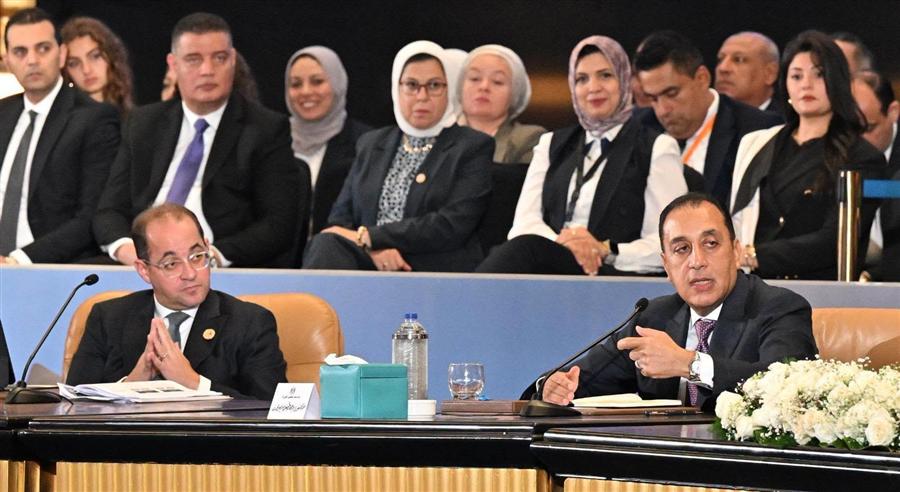
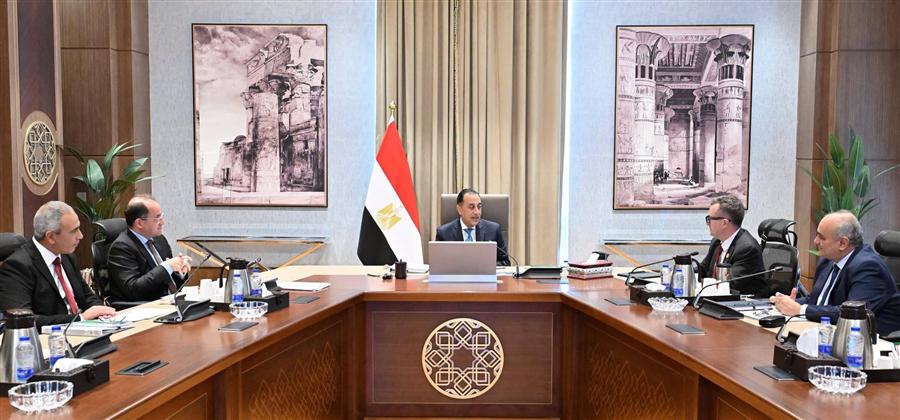
Madbouly examined the proposal at a meeting attended by Minister of Finance Ahmed Kouchouk, Minister of Planning and Economic Development Ahmed Rostom, Deputy Minister of Finance for Fiscal Policies Yasser Sobhy, and officials from both ministries.
He explained that the government is using flexible mechanisms to prepare for different scenarios, with the spending plan intended to create fiscal space to manage the current crisis.
Planned measures include reducing government fuel and electricity consumption, building on steps implemented at the onset of the crisis, and curtailing advertising and promotional expenditure across government entities. Madbouly emphasized that production, manufacturing, and exports to foreign markets would receive priority.
The proposed framework would establish an integrated fiscal sustainability plan incorporating preventive measures against potential crises. All state entities would be expected to adhere to it, with the aim of improving the efficiency of public resource use.
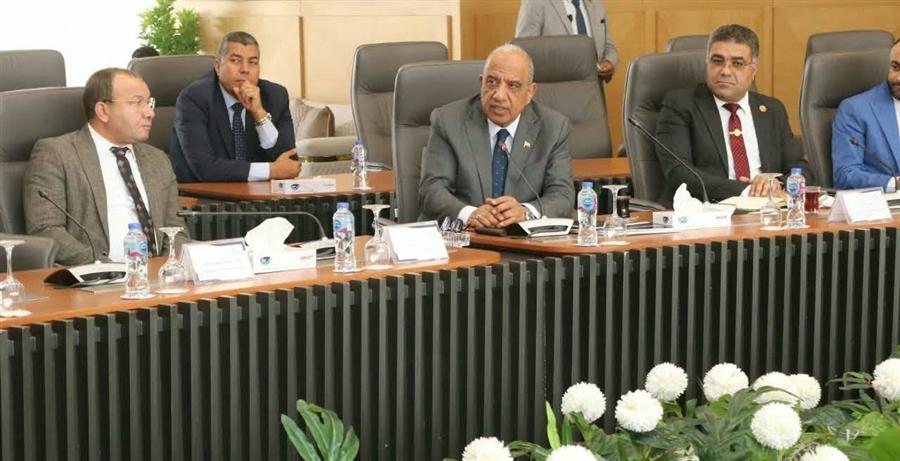
The spending proposal also featured at a meeting of the Central Crisis Management Committee, which Madbouly chaired that evening at the government headquarters in the New Capital. The committee reviewed escalating geopolitical developments and their implications for domestic and global markets, alongside preparations to limit the effects of a possible worsening of the crisis.
Kouchouk and Rostom told the committee they were finalizing the comprehensive spending framework in response to rapidly evolving regional and global developments and the resulting challenges for economies.
Across both meetings, officials emphasized that spending restraint must preserve economic and productive activity. The government remains committed to securing the funding needed to maintain adequate supplies of strategic essential commodities, meet petroleum and electricity sector requirements, provide petroleum products for consumption and production, and sustain basic public services.
Alongside the spending measures, Madbouly outlined efforts to build stockpiles of goods and products to meet citizens’ needs. Minister of Supply and Internal Trade Sherif Farouk reported that strategic commodity reserves covered an average of six months, with stocks of some items exceeding that period. He also presented inventory figures for individual commodities and confirmed that new contracts had been secured to increase supplies.
Farouk also reviewed the implementation of the initiative to lower basic commodity prices and its role in meeting household needs nationwide. The initiative currently covers 30 commodities sold at discounts of 15% to 25% below prevailing market prices through a large network of outlets. Relevant authorities are coordinating to expand the outlets’ geographical coverage and reach more citizens.