Arab Finance: Egypt held talks with China-based industrial technology company Hangzhou Boomy Intelligent Technology on establishing a solar cell manufacturing plant and transferring technology to expand local production, according to a statement.
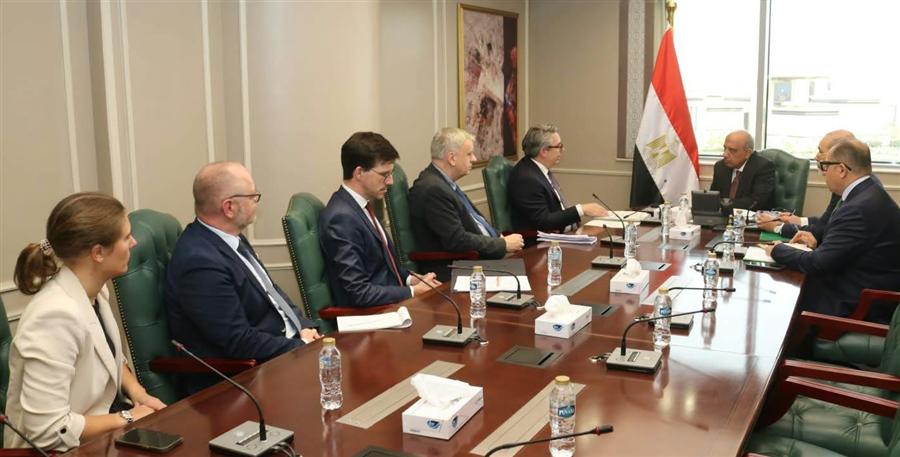
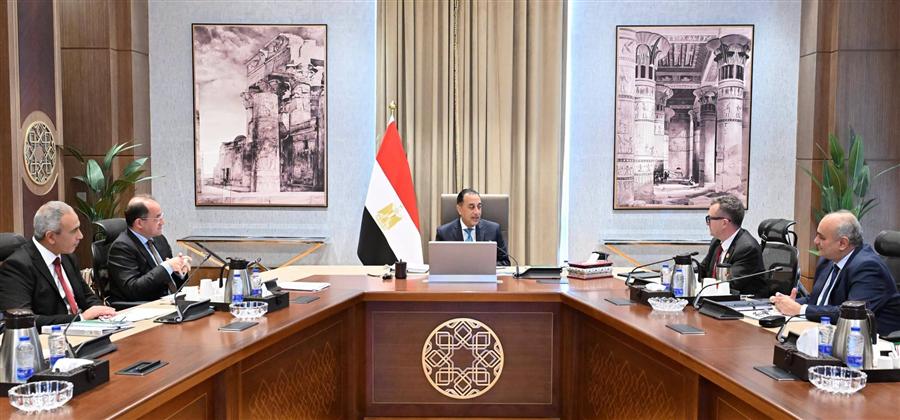
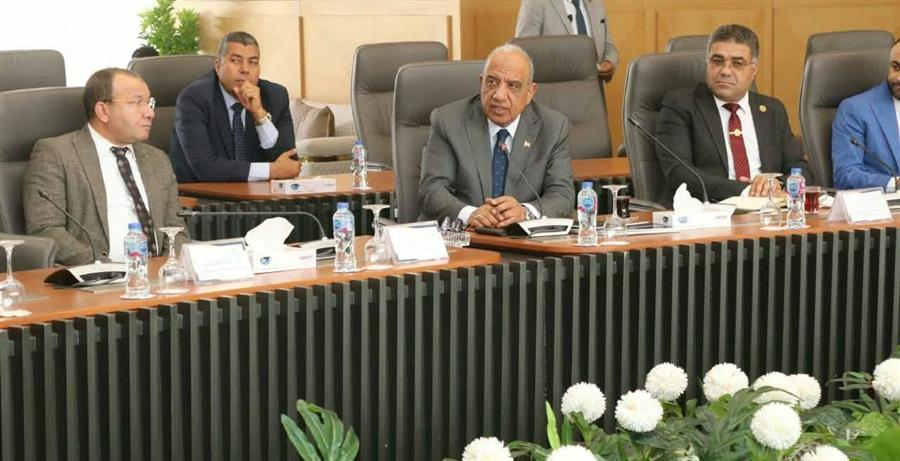
Mahmoud Esmat, Minister of Electricity and Renewable Energy, and Salah Suleiman, Minister of Military Production, met company representatives at the electricity ministry’s headquarters in the New Capital, with representatives of Atomsafe, a subsidiary of the Chinese group, also attending the meeting.
The meeting tackled the company’s readiness to establish the factory, its plans for the Egyptian market, and business models it has implemented outside China, as the ministers reviewed proposed partnerships to manufacture solar energy equipment and components and increase the value added to locally produced parts.
It also covered solar power plant equipment and digital initiatives that could support clean energy expansion, modernize energy systems and smart services, and increase reliance on Egyptian products.
The talks are part of the national energy strategy and the electricity ministry’s energy transition plan, which seek to increase renewable energy’s contribution to the energy mix. They support government efforts to expand electrical equipment manufacturing, transfer technology, and promote locally produced goods.
Esmat said the electricity sector is pursuing an action plan to localize solar and wind energy equipment manufacturing and establish a domestic industry, emphasizing continued coordination with state institutions and openness to different forms of cooperation and partnerships, particularly those using locally manufactured equipment.
He added that the government supports technology transfer and industrial localization across sectors, with opportunities for renewable energy companies to participate in the energy transition, noting that Egypt offers a promising market and investment prospects in manufacturing equipment and supplies for the sector.
Esmat also pointed out that the electricity sector has made substantial progress toward developing Egypt as a regional hub for energy and electrical equipment manufacturing. Domestic products receive priority in national energy projects and the modernization of the unified power grid, while requirements under development would raise the local content of renewable energy projects, attract foreign investment, and create opportunities for technology providers.
Meanwhile, Suleiman outlined the military production ministry’s interest in working with the electricity ministry and international companies on solar panel production and sustainable energy technologies. Its industrial and technological facilities, qualified workforce, and technical and engineering capabilities could support project implementation, component manufacturing, supplier industries, and the transfer of expertise, helping strengthen national manufacturing capacity and increase local content.
Assessing how the proposed technologies could be used in Egypt would involve preliminary studies and research, evaluating their suitability for local needs, and examining technical and regulatory requirements, Gomblat explained. Cooperation could also encompass developing related domestic industries, exchanging expertise, and training specialized personnel in coordination with the relevant authorities.
He also called for examining integrated uses of electrical and thermal energy in advanced industrial and technological applications. These could meet the energy needs of industrial and technology sectors, improve efficiency and resource utilization, and support technological infrastructure and digital transformation, he said.