Egypt’s poultry and table egg market has recently experienced a notable decline in prices, reflecting a significant expansion in domestic production and a growing surplus in supply. According to industry representatives, poultry production increased by approximately 20–25% compared to the previous year, contributing to higher market availability and easing supply pressures.
In this factsheet, we examine Egypt’s poultry and table eggs market to better understand the drivers behind the recent fall in prices.
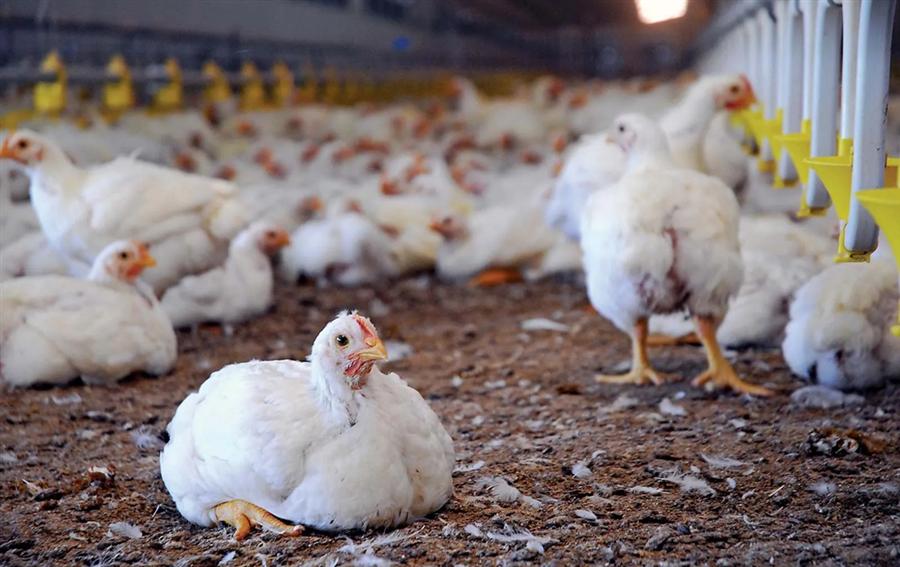
- Poultry production in Egypt continued to expand in 2024, supported by a large and diversified production base. The total number of birds and poultry raised in specialized farms reached approximately 1.4 billion, including more than 1.4 billion broiler chickens. The continued growth in production has increased market supply and contributed to the downward adjustment in poultry prices observed during recent months.
- Slaughterhouse statistics further illustrate the sector’s production capacity. In 2024, approximately 1.99 billion birds and poultry were slaughtered nationwide. Specialized chicken farms accounted for around 1.6 billion birds, representing the vast majority of total slaughtered poultry, while rural chickens contributed approximately 329 million birds.
- Poultry meat production remained robust, with the total live weight of poultry and bird meat reaching approximately 2.5 million tons in 2024. Specialized farms contributed around 2.09 million tons, accounting for more than four-fifths of total output. Additional production came from rural chickens, ducks, turkeys, geese, pigeons, and rabbits.
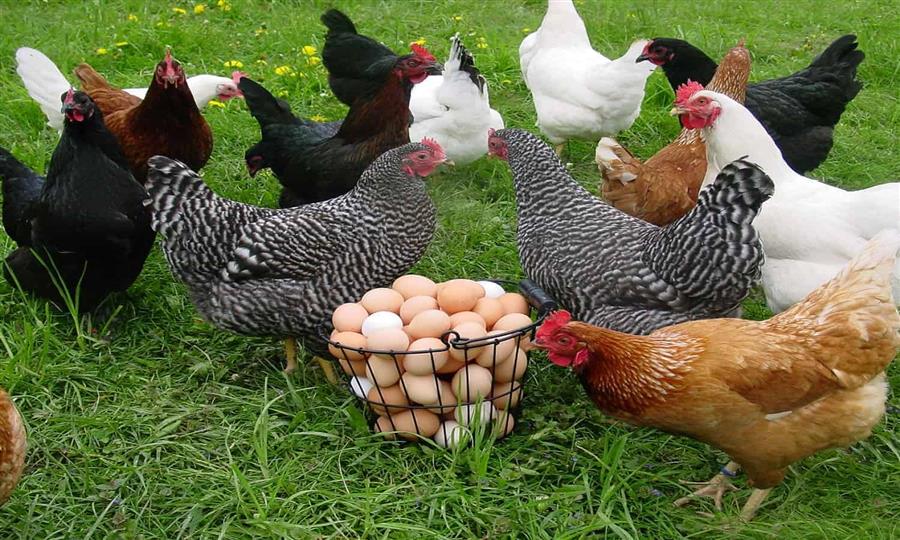
- Egg production reached record levels in 2024, with annual output totaling approximately 16.62 billion eggs. Of this amount, around 14.01 billion were table eggs destined for direct consumption, while the remainder was allocated primarily for hatching purposes. Estimates indicate that Egypt’s egg production surplus reached approximately 25%, reinforcing the current decline in prices.
- Hatchery activity continued to support the expansion of poultry production. Egypt operated 547 hatcheries during 2024, which processed approximately 1.37 billion hatching eggs and produced around 1.13 billion chicks. The hatchability rate reached 82.1%, indicating a high level of operational efficiency within the sector.
- The recent decline in poultry and table egg prices appears to be primarily supply-driven rather than demand-driven. Industry estimates indicate that domestic production currently exceeds self-sufficiency requirements by roughly 30% for poultry and around 25% for eggs. As a result, market prices have adjusted downward, benefiting consumers through greater affordability.
By: Amina Hussein
Related News