Arab Finance: Egypt’s Ministry of Investment and Foreign Trade plans to launch a unified digital platform covering around 475 economic activities within 18 to 24 months, Minister Mohamed Farid Saleh said in a conference hosted by the Egyptian Exchange (EGX).
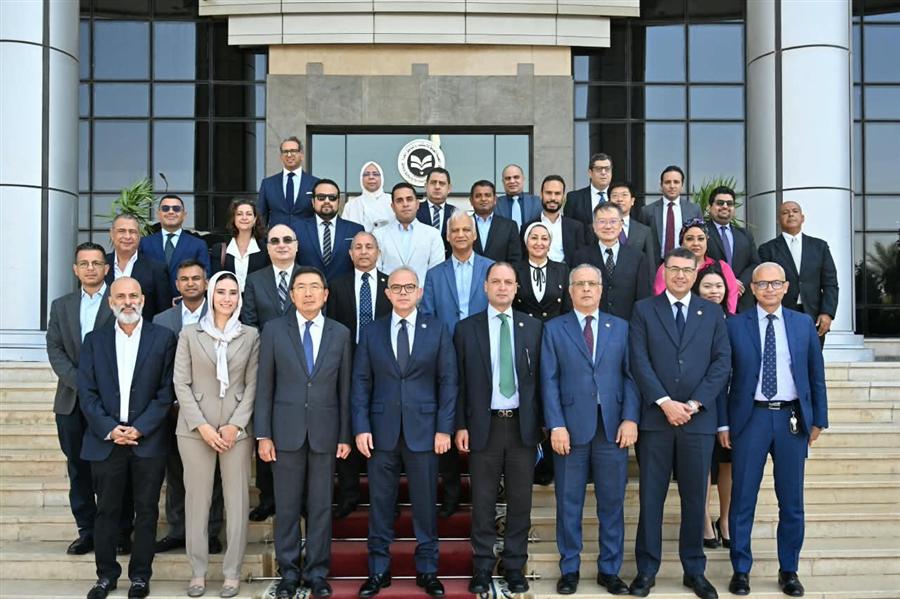
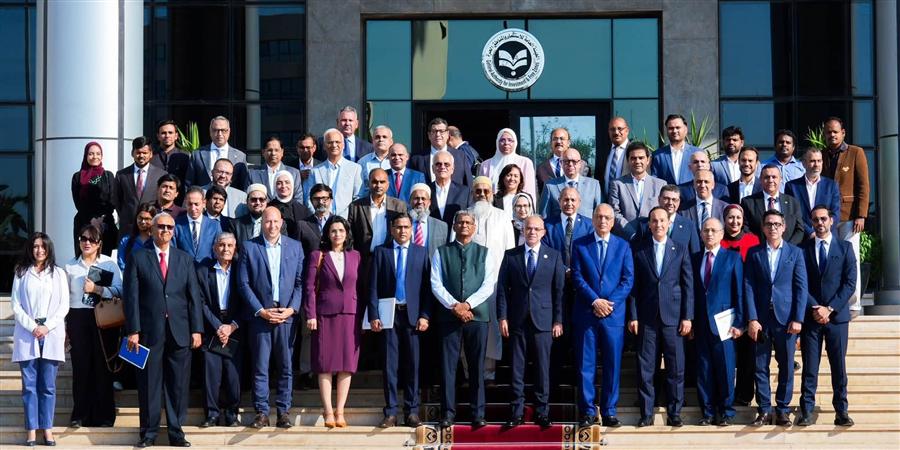
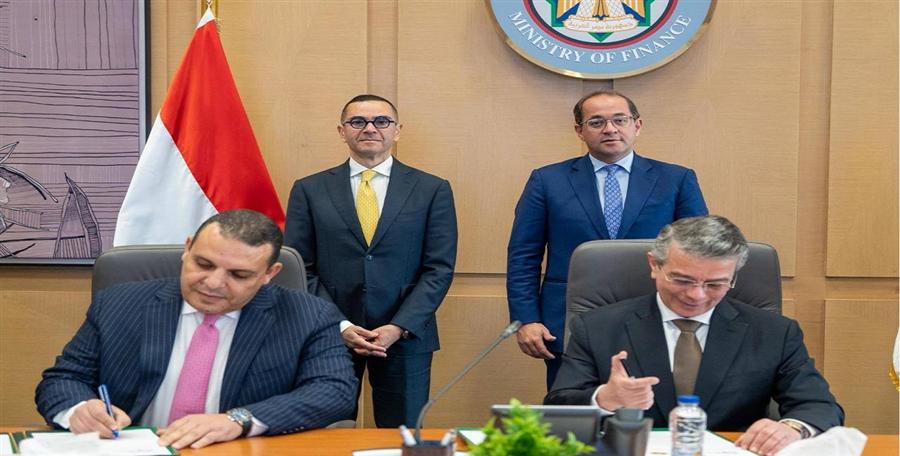
Attended by Finance Minister Ahmed Kouchouk and EGX Chairman Omar Radwan, the event was held to review the latest reforms aimed at developing the capital market and attracting investment.
The economic entities platform will connect government service providers through a single electronic system, allowing investors to submit and track applications, view approvals or rejections and their reasons, and monitor how long each authority takes to complete its review.
Farid said the platform would give government authorities a comprehensive view of investment applications, enabling them to track completion rates and intervene when investors encounter obstacles. The initiative is intended to simplify procedures, improve service efficiency, and eliminate the need for investors to submit the same documents to multiple agencies.
The ministry has already begun automating procedures for capital increases by allowing companies to upload the minutes of relevant meetings electronically and linking the authorities involved through one system. These include the Ministry of Investment, the General Authority for Investment and Free Zones (GAFI), the Financial Regulatory Authority (FRA), the EGX, the Commercial Registry, and Misr for Central Clearing, Depository and Registry (MCDR).
Farid pointed out that lengthy procedures can weigh on the share prices of listed companies while they seek capital increases, undermining the purpose of raising funds to finance expansions and investment opportunities.
Automation would accelerate subscriptions and capital increases and ensure that the resulting transactions are reflected directly in investors’ accounts, he added.
Beyond procedural changes, Farid called for the listing of more large companies, arguing that capital-market development should be measured by the size and influence of listed businesses rather than their number alone.
Moreover, he noted that improving the EGX’s weight in international indices would require larger economic entities, including companies created through mergers within the same sector. Such businesses would be better placed to seek listings and benefit from the new incentives and facilities.
Market concentration has increased significantly, according to Farid. Around 12 companies accounted for more than half of the EGX’s market capitalization in 2004, while the same share is now concentrated among only three companies. He said the market therefore needs more large listings from both the public and private sectors.
The ministry is also approaching companies in production and investment clusters across Egypt’s governorates to raise awareness of available services and incentives. Farid said around 2,000 companies generated approximately 95% of Egypt’s exports between 2001 and 2026, despite millions of companies holding export records. He called for broader qualification, export-support, and incentive-awareness programs across the country.
Alongside those efforts, Farid urged the EGX to promote listings and initial public offerings (IPOs) more widely across the governorates. He also highlighted the FRA’s role in raising awareness of investment funds and expanding the number of companies using capital-market instruments.
Turning to market activity, Farid revealed that daily trading values had reached between EGP 10 billion and EGP 12 billion but remained below the Egyptian economy’s potential.
He also outlined that the latest reforms include tax incentives for companies listing their shares on the EGX and a stamp-duty exemption for market makers. The measures are intended to encourage new listings and support the market-making mechanism.
Farid added that the legislative amendments were prepared in coordination with the Ministry of Finance before the FRA and EGX completed the regulatory work. He also pointed to efforts to establish the groundwork for short selling as part of the development of new market instruments.
For his part, Kouchouk said the government would continue implementing economic reforms in coordination with the relevant authorities, with further incentive packages planned for the coming period.
He also highlighted the recent measures followed extensive consultations with the private sector and reflected requests from market participants.
The government conducts public consultations before securing the necessary approvals and beginning implementation within the same year, Kouchouk stated. He added that the current focus is on increasing daily trading values and preparing new offerings by major companies to deepen the market and strengthen its appeal to investors.
Furthermore, Kouchouk mentioned Egypt’s economic indicators had become more reassuring following the reforms implemented in recent years, although the economy continued to face challenges. He identified industry, tourism, and telecommunications as among the sectors recording improved performance.
Both ministers said increasing trading activity, attracting more large listings, and improving the EGX’s competitiveness would require continued coordination among the government, the EGX, the FRA, and the private sector.