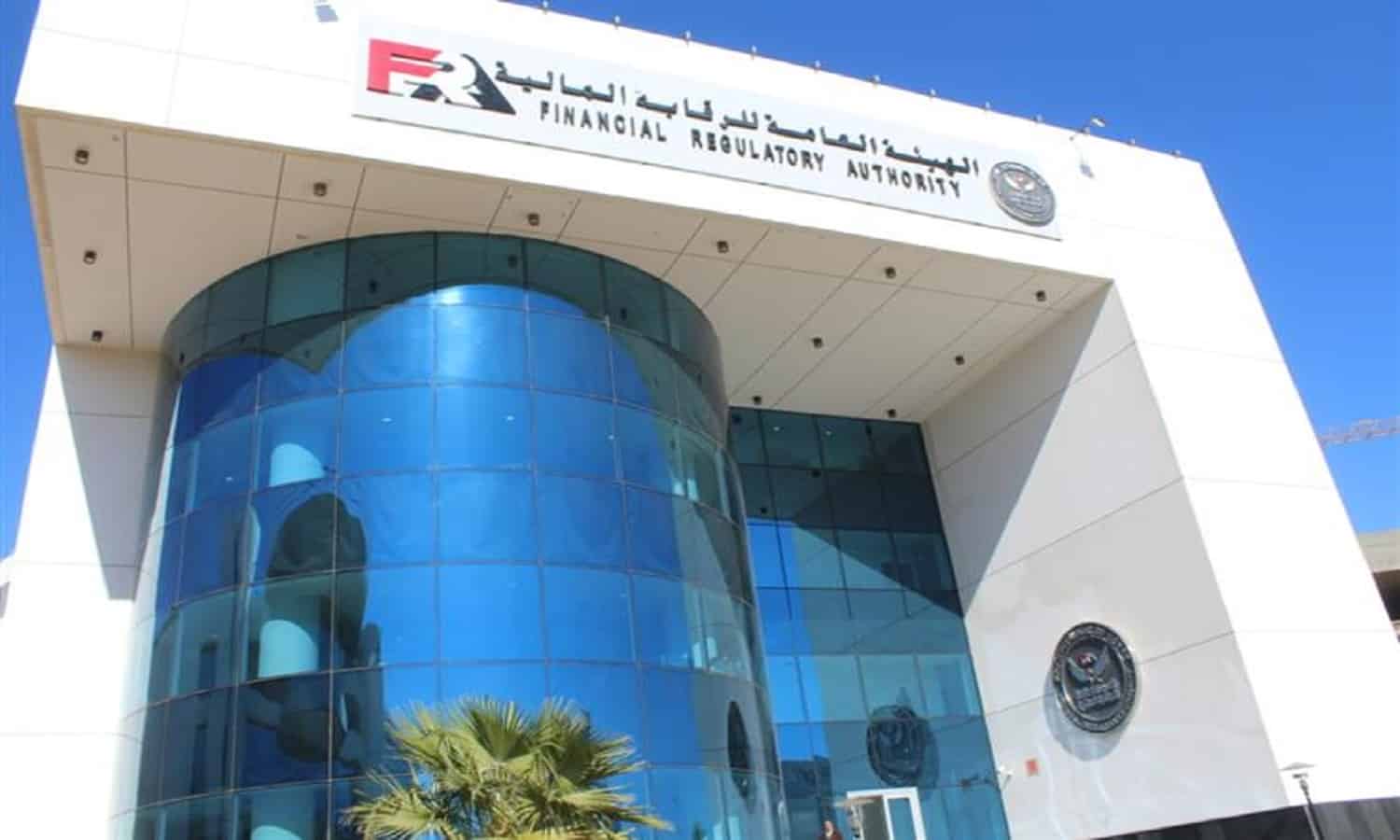
Arab Finance: The Financial Regulatory Authority (FRA) has launched a digital system for factoring activities through its online portal, in partnership with e-Finance, as per a statement.
The system is intended to develop factoring mechanisms and improve operational efficiency by relying on modern digital tools and promoting digital transformation of non-banking financial services to enhance performance efficiency and service delivery.
In its first phase, the system enables factoring companies to electronically inquire about invoices and determine whether they have already been financed.
This is carried out through integration with relevant entities like the Ministry of Finance and the Egyptian Tax Authority (ETA). This limits the risk of double financing, strengthens due diligence and verification processes, and supports market discipline by providing accurate and timely data.
Factoring is a short-term financing mechanism under which companies sell their invoices or future receivables to a factoring company in exchange for immediate cash.
The process involves three parties: the seller, the debtor, and the factoring company.
In 2025, factoring activity saw remarkable growth, with the value of discounted receivables rising by 77.8% to EGP 132.2 billion, compared to EGP 74.5 billion in 2024.
Chairman of FRA Mohamed Farid said the launch of the system reflects the authority's commitment to establishing an integrated infrastructure that supports efficiency, transparency, and governance in non-banking financial services, while using financial technology to enhance regulatory oversight.
Under the system, factoring companies can reserve invoices in their favor until financing is paid to the seller, after which proof of payment is submitted to ensure proper digital documentation of transactions.
He added that the second phase will include the full digitization of the factoring process, from invoice verification to customer payments.
This is expected to reduce processing time, streamline procedures, lower operational costs, and improve companies’ access to liquidity.