Arab Finance: Egypt’s exit market is gradually moving beyond venture-backed startups and major acquisitions to include the thousands of small businesses and digital products that rarely make it into formal deal channels. While the country has recorded notable startup exits in recent years, owners of smaller companies still often rely on personal contacts and informal brokers when they want to sell, bring in a partner, or close a business.
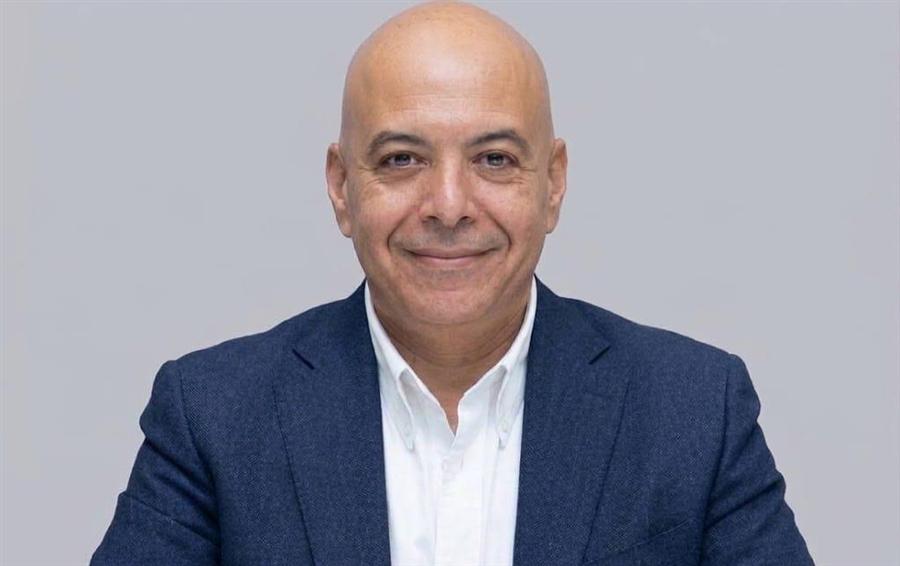
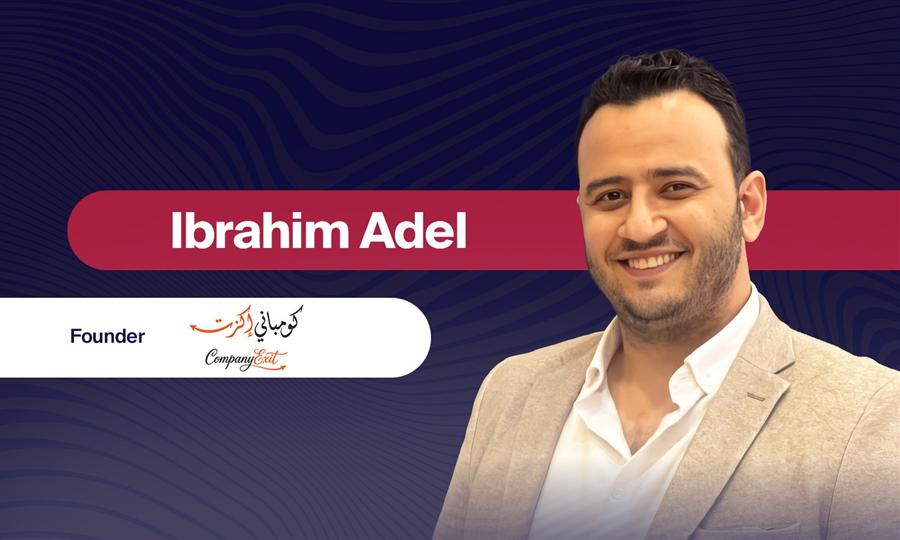
CompanyExit and AppExit are seeking to address this gap through online marketplaces that connect buyers with sellers of registered companies, apps, websites, SaaS products, and source code. Founded by Ibrahim Adel, the platforms aim to make business transfers more accessible while allowing sellers to maintain confidentiality and control over who receives detailed information.
In this interview, Adel discusses the opportunities in Egypt’s underserved exit market, the challenges of building trust in online transactions, and his plans to expand the platforms’ reach across the region.
1-What market gap led you to establish CompanyExit and AppExit, and why did you decide to address the sale of small businesses and digital assets through dedicated online marketplaces?
Egypt registers tens of thousands of new companies every year. The General Authority for Investment and Free Zones (GAFI) recorded more than 50,000 in fiscal year 2025/2026. But when an owner wants to exit, there is no organized market. Owners who want to retire, move abroad, focus on another business, or buy out a partner usually sell through brokers, WhatsApp and Facebook groups, or their accountants’ contacts. The company's name is shared with multiple people before a serious buyer appears. Owners who choose to close their businesses instead face a liquidation process that practitioners estimate takes six to twelve months, with a liquidator, newspaper notices, and tax and social-insurance clearances.
We saw the same problem with digital products. Many developers have an app that earns a little, a product that launched but never found users, or finished source code they no longer have time for. They try to sell these assets through developer chats and social media groups.
A dedicated marketplace solves the two things owners worry about most. It lets them reach buyers without announcing the sale publicly. It also gives buyers an organized place to compare opportunities instead of chasing posts in groups.
2-CompanyExit and AppExit target different but potentially complementary markets. How do you distinguish their business models, target customers, and transaction opportunities?
CompanyExit is for registered Egyptian companies. Its sellers are owners of small and medium-sized enterprises (SMEs). Some are operating businesses, some are registered companies that have stopped trading, and some owners want a partner to acquire a stake rather than sell the entire business. Its buyers are:
A listing never shows the company's name or address. A buyer accepts a confidentiality agreement before sending a request, and the owner decides who sees the details.
AppExit is for apps, websites, SaaS products, and source code. A listing can be:
Sellers can be from any country and can set prices in US dollars or Egyptian pounds. Buyers are entrepreneurs, agencies, and developers who want a working product rather than having to build one from scratch.
The two platforms meet in the middle. A software company can sell the whole company on CompanyExit, or sell only one of its apps on AppExit. Both sites follow the same principles: free listing during the launch period, no commission on the sale, and giving sellers control over access to private details.
3-CompanyExit launched in September 2026, followed by AppExit in October. What has the initial response been from business owners, potential buyers, and digital-asset sellers?
The response has been stronger than we expected for such a new idea, on both sides.
On CompanyExit, we see three kinds of sellers:
Buyer demand is strongest for small operating companies and registered companies with a few years of history.
On AppExit, developers responded quickly, including many with products that launched but never earned money. That is why we added a separate category for launched products that have not generated any income yet.
The early weeks also showed us what needed fixing. Sellers often had no idea how to price a company or an app, so we built a free valuation tool based on professional valuation methods. Some sellers were slow to answer buyers, so we made it easier to accept requests and now send reminders to sellers who haven't replied.
4-Neither platform independently verifies listing information, conducts due diligence, provides valuations, or handles payments. How do you address the resulting trust and credibility concerns, particularly for first-time buyers and sellers who may be unfamiliar with business acquisitions?
We are clear about this from the first page. We are a marketplace that connects sellers and buyers. We are not a broker, an auditor, or an escrow service. The figures in each listing are provided by the seller, and buyers are responsible for conducting their own checks before paying.
Within that role, we try to make the buyer's checks easier, the seller's claims more concrete, and the price easier to judge:
For a first-time buyer, our advice is simple: use the platform to find the opportunity and meet the owner, then involve a lawyer and an accountant before any money changes hands.
5-CompanyExit targets businesses that may be too small to attract traditional M&A advisory firms. How large do you estimate this underserved market is in Egypt, and which business categories offer the strongest potential, including operating companies, dormant registered entities, and partner stakes?
There is no official figure for how many small companies change hands each year, and most of these deals are never recorded as sales. But the base is large. Egypt adds more than 50,000 new companies a year, and every one of them will eventually be sold, passed on, or closed. Most are far too small for an investment bank, whose fees make sense only for much larger deals. Today, these owners are served by personal networks and informal brokers.
We see three strong categories:
6-How do you assess the market for buying and selling digital assets in Egypt and the wider region? What factors typically determine the commercial value of these assets, and what challenges arise when transferring ownership of technology products?
It is early, but the market is growing quickly. The region has a large, young developer community, and many developers build products alongside their jobs. Not every product becomes a business, but most have value to someone: a working app, a user base, store reviews, or code that saves another team months of work.
The main drivers of value are:
Transfers are where many deals go wrong. Apple and Google have their own rules for moving an app between developer accounts. The buyer also needs to take over the domain, hosting, payment, and analytics accounts, as well as third-party API keys. User data has to be handled in accordance with data-protection law. We publish step-by-step transfer guides, and we advise buyers to pay in stages tied to the handover.
7-What is the intended revenue model over the medium and long term? Are you considering paid buyer subscriptions, premium listings, transaction-based fees, or additional services for professional partners?
We are not committing to a revenue model yet. Our goal now is to grow and provide a service that was missing from the business community in Egypt: an organized, discreet way to sell and buy a company or an app.
All options are open, and we will choose based on what users value. They include:
Listing is free during the launch period, and a seller who lists a business and handles transactions independently pays no commission on the sale.
8-Currency fluctuations, financing constraints, and changing business conditions can influence both sellers’ valuations and buyers’ willingness to invest. How are these factors affecting demand for small-business and digital-asset acquisitions in Egypt? Are you seeing greater interest from local buyers, regional investors, or Egyptians living abroad?
We see inflation and currency fluctuations as a reason to buy a business, not just a risk. A bank deposit pays a fixed return in pounds. Between 2022 and 2024, inflation ran far above deposit rates, and savers lost real value. Today the gap has reversed: certificates pay roughly 14% to 22% a year, and urban inflation is close to 14%. But a deposit still can’t adjust when prices move again. A well-run business can raise its prices as its costs rise, so its profit and value tend to keep pace with inflation.
That is why we built a comparison into CompanyExit. Our deal analysis shows each company’s expected return alongside bank certificate rates, so a buyer can judge whether an opportunity beats leaving the money in the bank.
There is also a wider benefit. When savings move from deposits into small productive companies, the money keeps businesses open, protects jobs, and funds growth. A working market for buying and selling companies helps that happen.
Higher costs and tight financing also make buyers more careful about price. To make deals possible, sellers can:
On AppExit, sellers can set prices in US dollars or Egyptian pounds, which helps when the product earns revenue in foreign currency.
Most of our users today are in Egypt. AppExit accepts sellers from any country, and we expect regional buyers and Egyptians living abroad to become an important part of the market as it grows.
9-What are your priorities for CompanyExit and AppExit over the next three to five years?