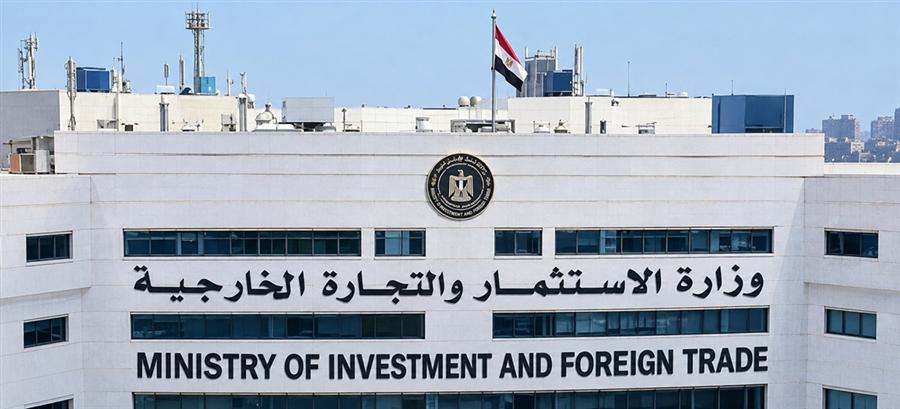
Arab Finance: Egypt recorded the establishment of approximately 26,500 companies during the first half (H1) of 2026, as the Ministry of Investment and Foreign Trade launched a periodic bulletin tracking investment, foreign trade, and the performance of its affiliated entities.
The number of newly established companies rose nearly 20% from H1 2025, while their combined issued capital increased 12.1% to approximately EGP 97.5 billion, according to the inaugural issue.
Domestic contributions accounted for around 88% of that capital, totaling EGP 85.5 billion, while Arab and foreign contributions amounted to approximately EGP 12 billion. Another 715 existing companies increased their issued capital by a combined EGP 48.9 billion during the period.
Beyond company formation, the bulletin showed that Egypt had 1,262 projects operating under the free-zone system by the end of the first six months of this year. These projects had combined capital of approximately $14.4 billion and investment costs of around $39.2 billion.
Free-zone projects provided approximately 253,000 jobs, an 11% increase from about 228,000 in the corresponding period of last year.
In investor services and dispute resolution, the relevant authorities handled 401 complaints and resolved 275, representing a resolution rate of 69%. They also addressed 12 investment disputes with a combined value exceeding EGP 100 billion.
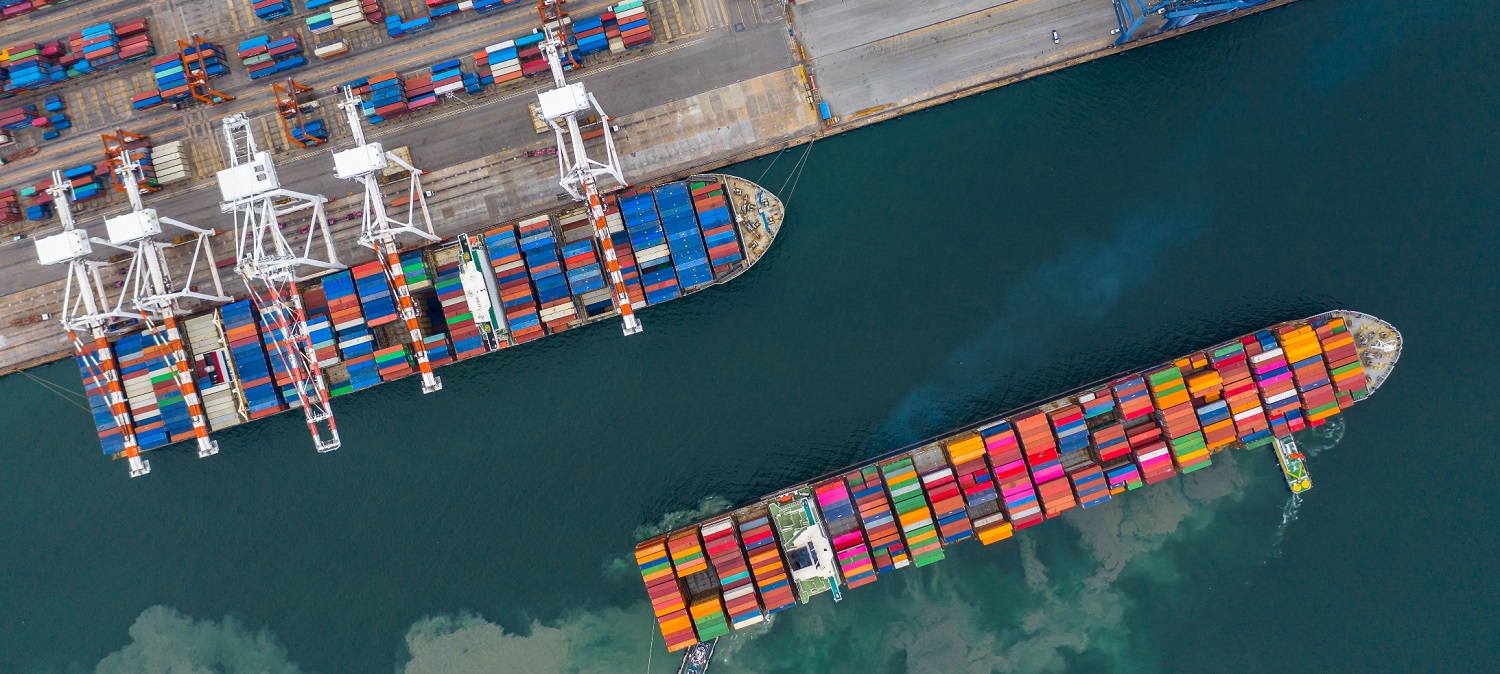
The trade data showed that non-petroleum merchandise exports rose 3% to approximately $25.5 billion. Excluding gold, non-petroleum exports increased 12% to around $23.3 billion.
Non-petroleum merchandise imports, meanwhile, climbed 21% to approximately $48.1 billion. Excluding gold, imports grew 11.5% to about $44 billion, leaving a non-petroleum trade deficit of approximately $20.8 billion, up 11% from H1 2025.
Chemicals and fertilizers, building materials, food industries, agricultural produce, and engineering and electronic products were the main sectors driving Egyptian exports. The UAE, Saudi Arabia, Italy, Türkiye, and the US were the leading export markets.
The bulletin also reviewed the work of the General Organization for Export and Import Control (GOEIC) in monitoring foreign trade and regulating export and import activity. It covered the Export Development Fund’s efforts to help Egyptian companies access export support programs and mechanisms.
Activities by the Egyptian Export Development Authority generated 963 direct purchasing opportunities from international buyers. A further 104 purchasing opportunities were secured for 26 Egyptian companies through the Egyptian Exports Portal, which attracted more than 30,000 visitors.
Trade promotion activities included organizing 19 exhibitions in Egypt and participating in 23 international exhibitions abroad. The Foreign Trade Training Center also conducted 43 programs for 1,490 trainees.
Egyptian Commercial Service activities generated 197 export opportunities with an estimated value of approximately $310 million. The service also identified 40 investment opportunities worth around $3 billion across the industrial, agricultural, logistics, energy, and mining sectors.
Those efforts included participating in international exhibitions, trade visits, and commercial missions, alongside work to address obstacles restricting Egyptian products’ access to overseas markets.
Furthermore, the bulletin reviewed the Egypt Expo and Convention Authority’s efforts to support Egyptian companies participating in exhibitions and promotional events. It also covered the Agreements and Foreign Trade Sector’s work on trade agreements, foreign trade regulation, international negotiations, and opening new markets to Egyptian exports.
The Trade Remedies Sector issued and announced 10 trade-remedy decisions and measures during the period, while approximately 301,000 certificates of origin were issued.
Measures to protect Egyptian exports included reducing provisional European Union measures imposed on certain Egyptian fiberglass products from 26% to 11%.
The publication also outlined the Cotton Arbitration and Testing General Organization’s work in cotton arbitration and testing, as well as its contribution to product quality and Egyptian cotton’s access to international markets.
Rounding out the bulletin, the ministry reviewed activities by the Sovereign Fund of Egypt for Investment and Development (TSFE), including the development of new investment instruments.
These initiatives included establishing an industrial investment sub-fund targeting Egyptian companies with growth, export, or import-substitution potential, as well as an Africa-focused investment sub-fund. TSFE is also taking steps to offer a stake of up to 20% in Egyptian insurer Misr Life Insurance Company and establish a sports talent investment fund.
Minister of Investment Mohamed Farid Saleh said that the periodic bulletin enhances the availability of up-to-date information and data on investment and foreign trade indicators, adding that the ministry is committed to providing a comprehensive overview of the ministry’s activities and those of its affiliated entities, while enabling the business community to monitor performance developments—thereby putting the ‘Right to Know’ principle into practice.
Farid noted the publication would allow investors, businesspeople, and decision-makers to regularly monitor operational results across the ministry’s portfolios and affiliated entities. It will also facilitate comparisons between reporting periods to track changes in the indicators.
The bulletin draws on official data supplied by the ministry’s entities and sectors and compares the results with those recorded during the corresponding period of 2025. The first issue will also serve as a baseline for comparisons in subsequent editions.