Arab Finance: Egypt’s Ministry of Supply and Internal Trade will launch a six-month price-reduction initiative on September 10, initially offering 12 essential commodities through over 284 outlets nationwide before expanding the list to 30 products by the end of September, as per a statement.
The initiative will continue through March 2027, covering the holy month of Ramadan, as part of a broader government plan to increase commodity supplies, expand retail coverage and improve market and price stability.
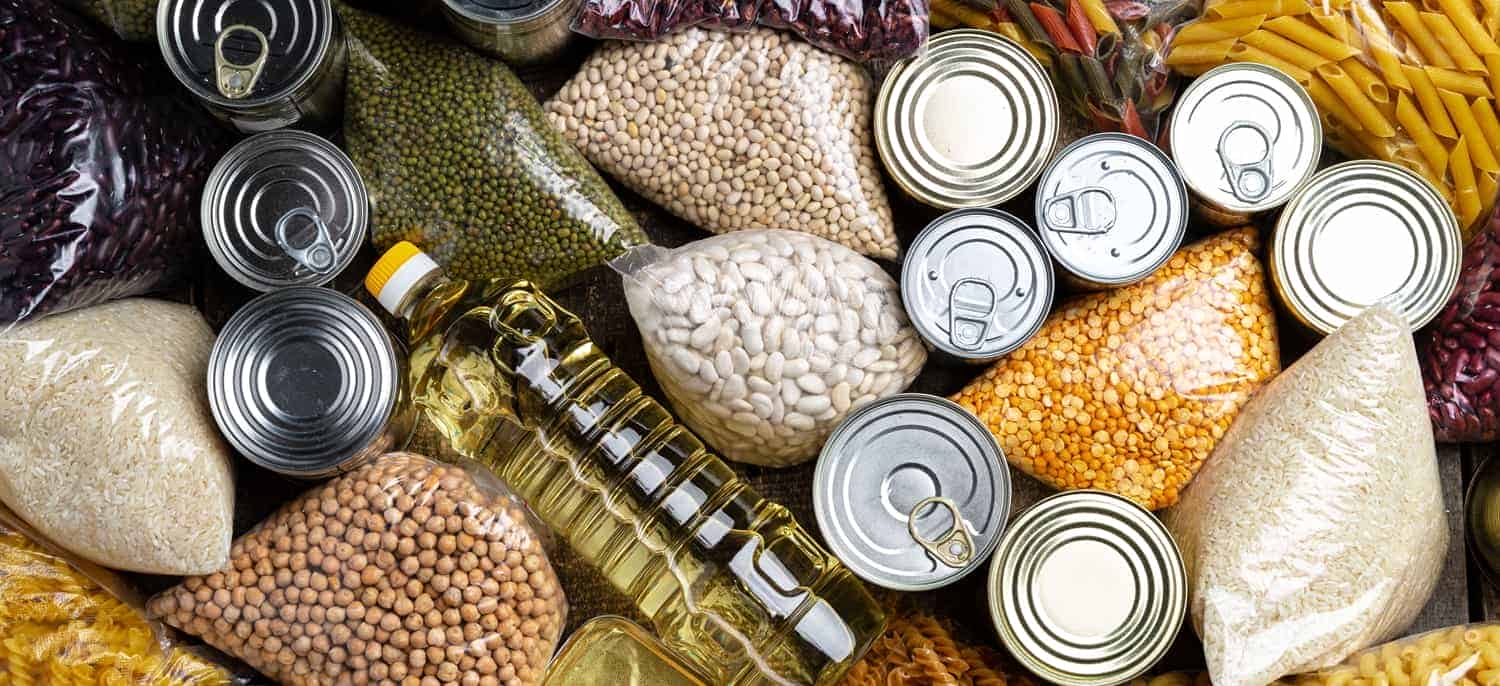
The initiative’s first 12 products are 1 kilogram of packaged white sugar for EGP 25, 700 milliliters of blended oil for EGP 50, 350 grams of pasta for EGP 9, 1 kilogram of packaged rice for EGP 25 and a 300-gram Doypack package of tomato paste for EGP 14.
The initial list also includes 40 grams of fine tea for EGP 5; 80-, 125-, and 250-gram tetra pak packages of white cheese for EGP 5, EGP 7, and EGP 14, respectively; 40 grams of plain halva for EGP 4; 1 kilogram of packaged flour for EGP 20; and 350 grams of mixed-fruit jam for EGP 20.
Another 18 products are scheduled to enter the initiative during September. These comprise 140 grams of flaked tuna for EGP 24, 300 grams of table salt for EGP 1.50, a 700-gram jar of vegetable ghee for EGP 70, and a 350-gram sachet of vegetable ghee for EGP 40.
The additions also include 100 grams of powdered milk for EGP 25, 1 liter of full-cream milk for EGP 44, 900 milliliters of vinegar with a 5% concentration for EGP 10, 500 grams of fava beans for EGP 16.50, 500 grams of black-eyed peas for EGP 26.50, 500 grams of brown lentils for EGP 20 and 500 grams of yellow lentils for EGP 22.50.
An eight-cube box of chicken stock will be offered for EGP 13, while plain or salted biscuits will cost EGP 2. The list further includes 800 grams of automatic washing-machine detergent for EGP 45, 800 grams of hand-wash laundry detergent for EGP 33, a 125-gram bar of toilet soap for EGP 14, 70 to 80 grams of dishwashing liquid for EGP 3, and 60 grams of hand-wash laundry detergent for EGP 4.50.
The Holding Company for Food Industries and its subsidiaries will secure the required quantities and supply participating outlets. The company will monitor inventories and sales turnover, replenishing stocks according to demand to maintain availability and prevent shortages.
The initial network of approximately 284 outlets includes consumer complexes affiliated with the holding company, as well as selected Gam’iyati outlets and ration-supply agents. The ministry plans to expand the network in subsequent phases, targeting at least one participating outlet in every administrative center and district, with priority given to areas where additional supplies are most needed.
The ministry is also expanding its national Carry On retail project. New outlets operating under the unified brand are due to open during September, while existing Gam’iyati outlets and ration-supply agents will be converted into Carry On outlets offering non-subsidized goods.
Private retailers and major supermarket chains will also be allowed to offer selected products at reduced prices. The Internal Trade Development Authority (ITDA) is expected to sign cooperation agreements with participating chains, with the agreements to be announced as they are completed.
The ministry said participation is open to other commercial businesses under agreed rules and operating mechanisms, supporting efforts to increase supplies, encourage competition and reduce prices.
The price-reduction program is running alongside the Ahlan Madaris initiative, under which more than 500 principal and satellite exhibitions have been established nationwide. The exhibitions offer school supplies and other goods for the new academic year at reduced prices.
The ministry is also expanding one-day markets and permanent marketplaces across governorates and districts. These markets are intended to shorten the distribution chain between producers and consumers, increase available supplies and offer goods at more favorable prices.
Mobile outlets carrying vegetables, fruit and food products will be directed to areas that require additional supplies or are experiencing price fluctuations. The ministry said these units provide a flexible means of responding quickly to changes in supply and demand.